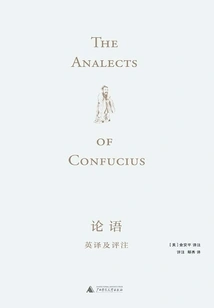
The Analects of Confucius English Translation and Commentary: Chinese, English
by (us) Translated And Annotated By Jin Anping
About This Novel
As an overseas Chinese scholar, Jin Anping's "The Analects of Confucius in English Translation and Commentary" shows another perspective that is different from that of domestic scholars: viewing "The Analects" as a whole, trying to find a clue running through it to present a more grand story. She placed "The Analects" in a broad ideological and historical background, using Liu Baonan's "The Analects of Justice", a masterpiece of traditional exegesis, as the base, concisely reflecting the main issues discussed in the commentaries of the past dynasties; at the same time, she translated Chinese classics into Western languages, showing a unique cross-cultural understanding. The Analects of Confucius is not a collection of wise words and esoteric knowledge, but a record of Confucius' life and teachings. Even though it is just a fragment of Yoshimitsu Kataha, if you follow his voice, you can still see the real Confucius: his views on politics, his understanding of virtue, how he solved the problems in life, the ideals he pursued, and his helplessness and limitations. This is how Confucius presented himself to the world, and this is what this book tries to let us see. In the introduction to the English translation of Montaigne's prose, Donald Frame tells us, "Montaigne is not easy to define... Yet this difficulty points to the answer: the book is the person." Perhaps the same is true for Confucius and the Analects.
Official Sources
What Readers Think
Rating
Community(0)
Rating
Community(0)