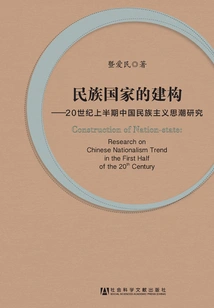
The Construction of the Nation-state: a Study of Chinese Nationalist Trends in the First Half of the 20th Century
by Cum Aimin
About This Novel
Modern Chinese nationalism is closely related to the historical environment and social and political conditions of China's ethnic issues. It not only has the direct goal of resisting foreign power, but also has the political and cultural connotation of the construction of a modern nation-state. As a political and spiritual event, the May Fourth Movement represented a new beginning in the construction of the Chinese nation-state. Based on the historical requirement of national salvation and nation-building in modern times, the logical tension between liberalism and nationalism has been "resolved" to a large extent, and they have been interactively combined in specific history. Cultural nationalism insists on the positive significance of national tradition and historical culture in the construction of the nation-state, and hopes to explore a new way out for modern China from the "creation" of national culture. As the main political forces in China in the first half of the 20th century, the Kuomintang and the Communist Party organized and applied nationalism through the values and political designs they believed in, and expressed their respective national plans for nation-building. This book focuses on the manifestations, specific composition, and political demands of Chinese nationalism in the first half of the 20th century, making the study of ethnic issues, nationalism, and nation-state construction in modern China more complete and systematic. At the same time, it also shows that only nationalism that is based on the historical experience of saving and building the nation in modern China, respects the survival and development of all ethnic groups, safeguards national unity, independence, sovereignty and territorial integrity, and is full of rationality and openness can have positive significance.
Official Sources
What Readers Think
Rating
Community(0)
Rating
Community(0)