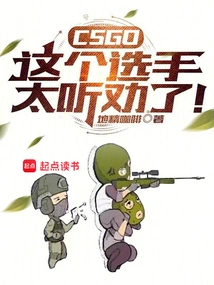
Csgo: This Player is Too Obedient!
About This Novel
Introduction: "A 21-year-old genius boy with 1200 hours of C+, can he play professionally at this level?" "You can go into the factory to drill screws." "If you don't have a job, you can bite the lighter." "It is recommended to bury it directly." "At least start practicing your guns first, 10,000 BOTs every day, run the map for an hour..." "You're too old and no one wants you? Just go and be No. 1 In FPL..." When Xu Beifang tried to take the first step from various suggestions that were either irritable or gentle, his life gradually changed. ... Several years later, Xu Beifang, holding the Major trophy in his hand, looked at the tens of thousands of spectators cheering for him and felt very fortunate that he had listened to the advice of netizens.
Official Sources
What Readers Think
Rating
Community(0)
Official(50)Scraped 17d ago
All reborn
No, you have been reborn. Shouldn't you be a buffgo and earn money from Mane?
Logical data thread and plot
This is the third book, but there is no difference in the main plot. No matter whether the protagonist is a player or a coach, the process is basically the same, and all plots from rookie to champion are within expectations. I can only give 1 point for the plot, which is nothing new. In the main text, most of the content of the game is water. There are 7 maps, a1a2 (a is big and a is small), b1b2 is about 7-10 points, and the player names are swapped. Filling in some scenes of cold hands and hot hands to encourage each other to break out will be fine. The demo of the game is very exciting, and the first perspective of the review is very exciting, but the game written in the novel is not exciting. Judging from the data, the character attributes of this book are the same as those of the previous coach, but the attributes of the protagonist are barely S- by chapter 200. He can consciously memorize the distribution of firearms, props and armor on the opponent, and actively brings up tactical research props. He knows the distribution of personnel and back-up timing when he sees the opponent's play style. No matter how you look at it, his awareness is 90+. As for the firearms ability, Moripo is close to full value and often uses carbine in the previous book. The protagonist is 82-89. He is positioned in his early 80s and can shoot headshots with rifles. This is obviously different from the ability reflected in the data. Then according to the data logic, this is a flaw and the point that deducts the most points. For example, in Chapter 242, it is written that the protagonist gets 24 kills in 11 rounds of VP, and then in the 12th round, the protagonist kills four in a wave. This is 28 kills in 12 rounds. The first 15 rounds of Chapter 243 ended with the protagonist 25/2/8. Are these points deducted for killing three teammates after not killing anyone in the last four rounds? In the second half, I had two kills in the pistol round, and then lost three games in a row 11:7. In the 19th round, I came back with four kills. That would be 31 (34) kills. Then we won 16:8 in the 24th round, and the settlement data was 30/2/12. Killed a teammate in five rounds? There are other games that kill an average of 1.5 People per round but end up with an average damage of 92 or 94 per game, and an average of less than 70 damage per game to kill one person. In one game, after playing 25 rounds, he still died 25 times, with a non-free rate of 96.5%. This kind of data is really blind to Ji Ba's writing.
Stay up late watching Cato
All I can say is that a donk makes me feel that the protagonists of most CS articles are written conservatively.
After reading this, donk said that this is a cool article and I feel unhappy🤓🤓
Summary: Similar to the manager, non-toxic and refreshing, you may want to give it a try if you are in a book shortage.
Reason for rating: 1. Numerical values: The author's numerical calculation system is very vague, giving people an inconsistent look. In the free chapter, floating values are also adopted, while in the paid chapter, the fixed value is changed to add sub-items, and finally firearm proficiency is added again. After comparing the overall values and performance, the improvement brought by the values cannot be intuitively felt, but tactics and awareness are the most prominent. Combining the manager with this book, I finally feel that it is quite satisfactory. 2. Competition description: Most of them are formulas and re-enactments of old classic scenes. There is no way around this. Non-professional players can only modify or re-enact them based on existing magic. 3. Routine: Compared with the previous games I have watched and most e-sports fans, they all want to create an image of genius or hard work that will be rewarded. But is it too repetitive to make a hasty debut to achieve results, wait for a price, change teams, and directly win the Major championship? For me, I want to see legendary stories like Niko and Simple, who have ups and downs and are still struggling and constantly climbing to the top. (Unfortunately, my writing skills are basically zero, I can only see if others can achieve it) 4. Scenes (daily): Most of the descriptions focus on watching players speak, talking to teammates after the game, and describing meals and training, which can be said to avoid possible minefields.
It seems that CS2 professional players now have pig trotter templates.
Donk is the same as the pig's trotters in the novel, but he is younger. He is also facing a gun and no one can beat him. He dares to press forward. Because I just watched the duel between Faze and TS and suddenly thought of this novel. Donk really dares to press and is invincible.
? ? ? ? ?
I read the synopsis and it's similar to the book with the same name as the lol book next door. The synopsis and description are exactly the same. This can also be used as a matryoshka doll.
Everything else is fine, except that the team member in your extra episode is a bit nervous. It has the beauty of a liquid pull-up ultimate
It's very good. It's considered top-notch among Go stories and development stories (personal opinion). The plot development speed is also good. It's neither strong nor weak. It's refreshing and satisfying to the stomach. Maybe it's a bit boring to read many chapters at once, but it's quite interesting to read two pages from time to time. 😶
How come the new book is available?
I want to read new books, but I can't find them
Rating
Community(0)
Official(50)Scraped 17d ago
All reborn
No, you have been reborn. Shouldn't you be a buffgo and earn money from Mane?
Logical data thread and plot
This is the third book, but there is no difference in the main plot. No matter whether the protagonist is a player or a coach, the process is basically the same, and all plots from rookie to champion are within expectations. I can only give 1 point for the plot, which is nothing new. In the main text, most of the content of the game is water. There are 7 maps, a1a2 (a is big and a is small), b1b2 is about 7-10 points, and the player names are swapped. Filling in some scenes of cold hands and hot hands to encourage each other to break out will be fine. The demo of the game is very exciting, and the first perspective of the review is very exciting, but the game written in the novel is not exciting. Judging from the data, the character attributes of this book are the same as those of the previous coach, but the attributes of the protagonist are barely S- by chapter 200. He can consciously memorize the distribution of firearms, props and armor on the opponent, and actively brings up tactical research props. He knows the distribution of personnel and back-up timing when he sees the opponent's play style. No matter how you look at it, his awareness is 90+. As for the firearms ability, Moripo is close to full value and often uses carbine in the previous book. The protagonist is 82-89. He is positioned in his early 80s and can shoot headshots with rifles. This is obviously different from the ability reflected in the data. Then according to the data logic, this is a flaw and the point that deducts the most points. For example, in Chapter 242, it is written that the protagonist gets 24 kills in 11 rounds of VP, and then in the 12th round, the protagonist kills four in a wave. This is 28 kills in 12 rounds. The first 15 rounds of Chapter 243 ended with the protagonist 25/2/8. Are these points deducted for killing three teammates after not killing anyone in the last four rounds? In the second half, I had two kills in the pistol round, and then lost three games in a row 11:7. In the 19th round, I came back with four kills. That would be 31 (34) kills. Then we won 16:8 in the 24th round, and the settlement data was 30/2/12. Killed a teammate in five rounds? There are other games that kill an average of 1.5 People per round but end up with an average damage of 92 or 94 per game, and an average of less than 70 damage per game to kill one person. In one game, after playing 25 rounds, he still died 25 times, with a non-free rate of 96.5%. This kind of data is really blind to Ji Ba's writing.
Stay up late watching Cato
All I can say is that a donk makes me feel that the protagonists of most CS articles are written conservatively.
After reading this, donk said that this is a cool article and I feel unhappy🤓🤓
Summary: Similar to the manager, non-toxic and refreshing, you may want to give it a try if you are in a book shortage.
Reason for rating: 1. Numerical values: The author's numerical calculation system is very vague, giving people an inconsistent look. In the free chapter, floating values are also adopted, while in the paid chapter, the fixed value is changed to add sub-items, and finally firearm proficiency is added again. After comparing the overall values and performance, the improvement brought by the values cannot be intuitively felt, but tactics and awareness are the most prominent. Combining the manager with this book, I finally feel that it is quite satisfactory. 2. Competition description: Most of them are formulas and re-enactments of old classic scenes. There is no way around this. Non-professional players can only modify or re-enact them based on existing magic. 3. Routine: Compared with the previous games I have watched and most e-sports fans, they all want to create an image of genius or hard work that will be rewarded. But is it too repetitive to make a hasty debut to achieve results, wait for a price, change teams, and directly win the Major championship? For me, I want to see legendary stories like Niko and Simple, who have ups and downs and are still struggling and constantly climbing to the top. (Unfortunately, my writing skills are basically zero, I can only see if others can achieve it) 4. Scenes (daily): Most of the descriptions focus on watching players speak, talking to teammates after the game, and describing meals and training, which can be said to avoid possible minefields.
It seems that CS2 professional players now have pig trotter templates.
Donk is the same as the pig's trotters in the novel, but he is younger. He is also facing a gun and no one can beat him. He dares to press forward. Because I just watched the duel between Faze and TS and suddenly thought of this novel. Donk really dares to press and is invincible.
? ? ? ? ?
I read the synopsis and it's similar to the book with the same name as the lol book next door. The synopsis and description are exactly the same. This can also be used as a matryoshka doll.
Everything else is fine, except that the team member in your extra episode is a bit nervous. It has the beauty of a liquid pull-up ultimate
It's very good. It's considered top-notch among Go stories and development stories (personal opinion). The plot development speed is also good. It's neither strong nor weak. It's refreshing and satisfying to the stomach. Maybe it's a bit boring to read many chapters at once, but it's quite interesting to read two pages from time to time. 😶
How come the new book is available?
I want to read new books, but I can't find them
Featured in 15 Booklists
Official(15)
This is another excellent game article, focusing on listening and persuading. When Xu Beifang tried to take the first step from the irritable or gentle suggestions one by one, his life gradually changed... Several years later, Xu Beifang, holding the Major trophy in his hand, looked at the tens of thousands of spectators cheering for him and felt very fortunate that he had listened to the advice of netizens.


Good


A 21-year-old genius boy with 1200 hours of C+, can he play professionally at this level? You can go into the factory to drill screws. Several years later, Xu Beifang, holding the Major trophy in his hand, looked at the tens of thousands of spectators cheering for him and felt very fortunate that he had listened to the advice of netizens.


Excellent


You Might Also Like

Reborn Female General
Qianshan Tea Guest

Lol: This Man is so Strong!
A Piece Of Sage Leaf

I Love Posting on Weibo and Have Become a Professional Genius
Blood Flowed Three Thousand Feet

Csgo: What is a Hexagonal Sniper?
Talented People Love To Eat Beans
Lol: the World's Best Red-temperature Mid Laner!
Hand Speed

What Do You Think of as a Career!
Fantastic

Csgo: Superstar
Wu Mingming
Lol: I'm Only 18, Let Me Counterattack and Be Reborn
Five Points Of Imagination
Dude is Actually a Cao Cao Type Top Laner?
Zuogeicl

Lol: Reborn in S3, Training the Whole League
Qingshili