River God
About This Novel
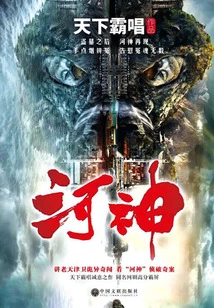
Any city with a river passing through it will always have floating corpses. The book "River God" tells the story of Guo Deyou, a water policeman in the Tianjin River Patrol Team in the 1950s and 1960s. He was known as the "River God" and had fished for river rafts all his life. Most of the characters and events in the book have prototypes in the past era, but not all of them are real people in the novel. Many folklore, anecdotes, and long-lost anecdotes are added to the novel. It is mainly based on two Tianjin Wei legends: "Yinyang River Monster Catching" and "Liangfangdian Hutong Haunted House". The book has twenty chapters and an extra chapter. The first eleven chapters tell the story of "River God" Guo Deyou capturing "River Demon" Lian Huaqing; the last nine chapters and extra chapters tell the story of "River God" Guo Deyou capturing the murderer Bai Sihu and solving the strange events in the Bai family's haunted house.
Official Sources
What Readers Think
Rating
Community(0)
Official(3)Scraped 1mo ago
River God Guo Deyou was born in Weiqi, Tianjin. Light a cigarette to identify grievances and save sentient beings in the water.
worth a look
The writing style of "River God" is excellent and full of visual sense. The author uses a lot of Tianjin dialect and spoken language to make the language of the whole book down-to-earth and lively and interesting. The book's description of Tianjin's food, folk customs and other social features is even more detailed. Reading those words, I seem to be able to see the food stalls on the streets and alleys, smell the aroma of steaming pancakes and fruits; I feel like I can hear the storytelling coming from the teahouses, and feel the warm and generous character of Tianjin people. This unique language style not only makes readers immersed in the story, but also adds a sense of reality and intimacy to the story, as if these strange cases are happening around them. In addition to the wonderful reasoning and unique writing style, the book also uses folklore very cleverly. The legend of the river god runs throughout, adding a mysterious color to the story. Those bizarre cases seem to be caused by supernatural phenomena, but in fact they hide the greed and ugliness of human nature.
A little disappointed, how could it be so broken. . Worse than "Nuo God". In addition, I don't know if the author borrowed Guo Degang's stand-up. Many of the jokes are very similar. Although he may also be from Tianjin and is usually influenced by storytelling and cross talk, there are also a lot of repetitions.
Rating
Community(0)
Official(3)Scraped 1mo ago
River God Guo Deyou was born in Weiqi, Tianjin. Light a cigarette to identify grievances and save sentient beings in the water.
worth a look
The writing style of "River God" is excellent and full of visual sense. The author uses a lot of Tianjin dialect and spoken language to make the language of the whole book down-to-earth and lively and interesting. The book's description of Tianjin's food, folk customs and other social features is even more detailed. Reading those words, I seem to be able to see the food stalls on the streets and alleys, smell the aroma of steaming pancakes and fruits; I feel like I can hear the storytelling coming from the teahouses, and feel the warm and generous character of Tianjin people. This unique language style not only makes readers immersed in the story, but also adds a sense of reality and intimacy to the story, as if these strange cases are happening around them. In addition to the wonderful reasoning and unique writing style, the book also uses folklore very cleverly. The legend of the river god runs throughout, adding a mysterious color to the story. Those bizarre cases seem to be caused by supernatural phenomena, but in fact they hide the greed and ugliness of human nature.
A little disappointed, how could it be so broken. . Worse than "Nuo God". In addition, I don't know if the author borrowed Guo Degang's stand-up. Many of the jokes are very similar. Although he may also be from Tianjin and is usually influenced by storytelling and cross talk, there are also a lot of repetitions.
