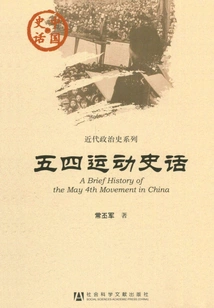
History of the May 4th Movement
by Chang Pijun
About This Novel
In January 1919, the victorious countries of World War I held a "Peace Conference" in Paris, France. China, as one of the Allied Powers of World War I, participated in the conference. Chinese representatives proposed at the peace conference the abolition of foreign spheres of influence in China, the withdrawal of foreign troops in China, and the cancellation of the "Twenty-One" and other just demands. However, the Paris Peace Conference ignored the fact that China was also one of the victorious countries and rejected the requests made by the Chinese representatives. It even decided to transfer Germany's rights and interests in Shandong, China, to Japan. After the news reached China, students in Beijing were furious. Students, businessmen, education circles and many patriotic groups called in to condemn Japan's disrespectful behavior and demanded that the Chinese government uphold national sovereignty. However, the Beiyang government succumbed to the pressure of imperialism, and Britain, the United States, France, Japan, Italy and other countries ignored the calls of the Chinese people and signed the "Peace Treaty between the Allied Powers and Participating Countries with Germany", the "Versailles Peace Treaty", which still transferred Germany's rights in Shandong to Japan. At the Paris Peace Conference, the Chinese government's diplomatic failure directly aroused strong dissatisfaction among the Chinese people, thus triggering the May Fourth Movement.
Official Sources
What Readers Think
Rating
Community(0)
Rating
Community(0)
