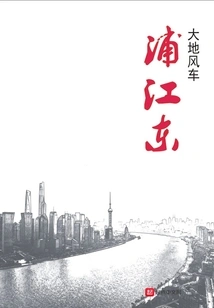
Pujiangdong
About This Novel
Everything has changed. It's all over, slowly going away. Everything is coming quietly again, and it has just begun. Based on the personal experience and perspective of the life, growth and work of Lujiazui Aboriginal Wang Jiandong (Xiao Mao), it pays tribute to Shanghai Pudong in the 1980s and 1990s.
Official Sources
What Readers Think
Rating
Community(0)
Official(6)Scraped 2mo ago
Hey, why is no one watching?
After learning from the painful experience, I decided to make a major change in the narrative style of this book. Wait a moment.
First, the two narrative lines were canceled and changed to chronological order, first in the 1980s and then in the 1990s. The second is to make appropriate adjustments in dialect, giving priority to understandable expressions. The adjustment may take some time, so readers please wait a moment.
Such good real-life stories are rare nowadays
Explanation of the two time narrative lines in this book
1. Characters were mostly called by their nicknames in the 1980s, and by their first names in the 1990s; 2. About four chapters from the 1990s + three chapters from the 1980s count as one transition; 3. The years and months of each era basically correspond to each other in the plot, and they advance in parallel.
The reason to like someone is found after you like them. Are you lonely too? Do you also want to find someone you like? I wish you the wind to help you wipe away your tears along the way, I wish you have the stars as your lamp every night, I wish the river is willing to help you wash your clothes, and I wish you have someone by your side to cook with.
Some notes on dialects in the book
Personally, I think that dialect is an important part of the work. It is simple, clear and impressive for expressing the characters' inner thoughts, personality traits, regional characteristics, customs, etc. Given the context, there are probably only a few places that I really don't understand. However, in the later period of the text, with the changes of the times, more and more people spoke Mandarin, and correspondingly fewer dialects were spoken. Thank you everyone for watching and commenting.
Rating
Community(0)
Official(6)Scraped 2mo ago
Hey, why is no one watching?
After learning from the painful experience, I decided to make a major change in the narrative style of this book. Wait a moment.
First, the two narrative lines were canceled and changed to chronological order, first in the 1980s and then in the 1990s. The second is to make appropriate adjustments in dialect, giving priority to understandable expressions. The adjustment may take some time, so readers please wait a moment.
Such good real-life stories are rare nowadays
Explanation of the two time narrative lines in this book
1. Characters were mostly called by their nicknames in the 1980s, and by their first names in the 1990s; 2. About four chapters from the 1990s + three chapters from the 1980s count as one transition; 3. The years and months of each era basically correspond to each other in the plot, and they advance in parallel.
The reason to like someone is found after you like them. Are you lonely too? Do you also want to find someone you like? I wish you the wind to help you wipe away your tears along the way, I wish you have the stars as your lamp every night, I wish the river is willing to help you wash your clothes, and I wish you have someone by your side to cook with.
Some notes on dialects in the book
Personally, I think that dialect is an important part of the work. It is simple, clear and impressive for expressing the characters' inner thoughts, personality traits, regional characteristics, customs, etc. Given the context, there are probably only a few places that I really don't understand. However, in the later period of the text, with the changes of the times, more and more people spoke Mandarin, and correspondingly fewer dialects were spoken. Thank you everyone for watching and commenting.
You Might Also Like
My 1979
Arguing About Two Things

Reborn Female General
Qianshan Tea Guest
Great Country and Heavy Tank
Hero Of East China
Secret War Silent
Changfeng
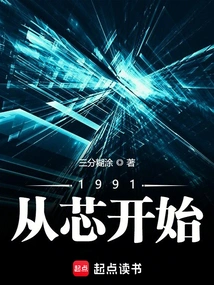
1991start from the Core
Three Points Confused
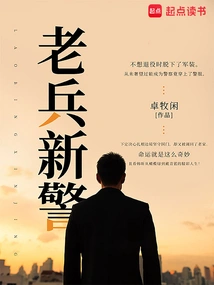
Veteran New Police Officer
Zhuo Muxian
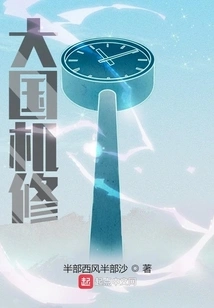
Great Power Mechanical Repair
Qu Ling

Wandering in the Broad Daylight
Eyebrow Master Niang
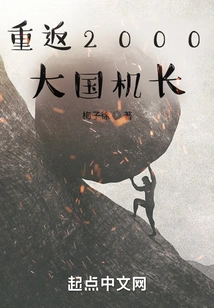
Return to 2000: Captain of a Great Power
Plum Xu
Super Big Scam
Chang Shuxin