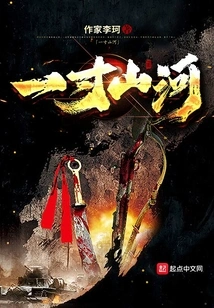
An Inch of Mountains and Rivers
by Writer Li Ke
About This Novel
A top-secret camp for the Japanese invaders that hides a shocking inside story was quietly built: elite troops defended it, and secret operations surged. In order to break this puzzle, the Chinese military and civilians launched a desperate espionage battle and fight with the Japanese and puppets...
Official Sources
What Readers Think
Rating
Community(0)
Official(3)Scraped 27d ago
World Comfort Women Memorial Day Read "One Inch of Mountains and Rivers" again
Today is the 11th World Comfort Women Memorial Day. Domestic and foreign media have extensively reported on and condemned this crime against humanity committed by the Japanese invading army since the 1930s. Xinhua News Agency published a special article: Don't forget history and convey the truth. "One Inch of Mountains and Rivers" is a novel written by the writer Li Ke based on the historical facts of the first secret implementation of the comfort women program by the Japanese invaders. In early 1938, the sexual assault atrocities committed by the Japanese invaders in Nanjing were widely condemned by the international community. The Japanese military was eager to get rid of its ugly appearance and formulated the evil "Wind Plan": secretly arresting Chinese women in Shanxi, imprisoning them in secret camps built in the ravines, and transporting them to the front lines of Shandong at the right time to secretly accompany the military as comfort women. This was the earliest prototype of the Japanese military comfort women organization in northern China. Because China and even the world were still unfamiliar with the comfort women system at that time, and the elite Japanese military and Japanese puppet secret services executing the "Wind Plan" were worried about their scandals being exposed, so their actions were extremely secretive. This aroused the vigilance of the local Eighth Route Army, the National Army, military intelligence agencies and even civilian gangs, who launched a thrilling espionage war and fight with the Japanese and puppets. The inside story of the comfort women's secret camp gradually emerged. In the end, the forces of the Kuomintang and the Communist Party joined forces and conquered the secret camp at a heavy cost. The shocking scandal of the Japanese army's forced recruitment of comfort women was also disclosed by the Chinese military and civilians. "One Inch of Mountains and Rivers" won the third place in the annual list of China's online novels, received support from key funding projects of the Chinese Writers Association, and was selected as one of the top 100 works on 100 websites across the country.
Introduction to "One Inch of Mountains and Rivers"
"One Inch of Mountains and Rivers" is a military and espionage masterpiece created by writer Li Ke based on the historical facts of the first secret implementation of the comfort women program by the Japanese invaders. It has successively won the third place in the annual list of China's online novels, received support from key financial projects of the Chinese Writers Association, was selected into the annual white paper on Chinese online literature, and was listed as one of the top 100 works on the 100 websites across the country. In early 1938, the public sexual assaults committed by the Japanese invaders in Nanjing were widely condemned by the international community. The Japanese military was eager to get rid of its ugly image and formulated the "Wind Plan": secretly arresting Chinese women in Shanxi, imprisoning them in secret camps built in ravines, and transporting them to the front lines of Shandong to secretly accompany the army as comfort women in order to reduce large-scale sexual assaults by the army in the occupied areas. This was the prototype of the earliest Japanese comfort women organization in northern China. Because China and the world were still unfamiliar with the comfort women system at that time, and the elite Japanese military and Japanese puppet secret agencies who implemented the "Wind Plan" were worried about being exposed, so their actions were extremely secretive. This aroused the vigilance of the local Eighth Route Army, the National Army, military intelligence agencies and even civilian gangs. They launched a thrilling espionage war and fight with the Japanese and puppets: the inside story of the secret comfort women camp gradually emerged. In the end, the forces of the Kuomintang and the Communist Party joined forces and conquered the secret camp at a heavy cost. The shocking scandal of the Japanese army's forced recruitment of comfort women was also disclosed by the Chinese military and civilians.
Victory Day of the Anti-Japanese War Silhouette of "One Inch of Mountains and Rivers"
Seventy-eight years ago, on September 2, Japan's military and political representatives boarded the USS Missouri warship in Tokyo Bay and signed a surrender document jointly drafted by China, the United States, Britain and the Soviet Union. This marked Japan's formal unconditional surrender (previously, the Japanese Emperor on August 15 had only verbally accepted the surrender). When the news came back to Chongqing, the base camp of China's Anti-Japanese War, it was already nightfall, and all localities could only prepare for the celebration ceremony all night long. The next day, in the early morning of September 3, the National Government Radio Station began to broadcast the news of Japan's signing of the instrument of surrender in a loop. Major domestic newspapers printed additional numbers one after another. The government announced a three-day holiday starting from now on, and the whole country celebrated. Looking back at that period of history forged by blood and fire, there are so many literary works on related themes; "One Inch of Mountains and Rivers" by writer Li Ke is just a silhouette in this vast ocean. I hope readers can learn about a little-known story in the history of the Anti-Japanese War from this profile. After the publication of "One Inch of Mountains and Rivers", it successively ranked third in the annual list of China's online novels, received support from key funding projects of the Chinese Writers Association, and was selected into the "Top 100 Websites and Top 100 Books" nationwide. Li Ke is a key writer at the Online Literature Center of the Chinese Writers Association. He is good at writing military and espionage themes. He has also written award-winning novels such as "The Gunman", "The Suspect of the Devil" and "Cultural Secrets". Work Q number: 672328
Rating
Community(0)
Official(3)Scraped 27d ago
World Comfort Women Memorial Day Read "One Inch of Mountains and Rivers" again
Today is the 11th World Comfort Women Memorial Day. Domestic and foreign media have extensively reported on and condemned this crime against humanity committed by the Japanese invading army since the 1930s. Xinhua News Agency published a special article: Don't forget history and convey the truth. "One Inch of Mountains and Rivers" is a novel written by the writer Li Ke based on the historical facts of the first secret implementation of the comfort women program by the Japanese invaders. In early 1938, the sexual assault atrocities committed by the Japanese invaders in Nanjing were widely condemned by the international community. The Japanese military was eager to get rid of its ugly appearance and formulated the evil "Wind Plan": secretly arresting Chinese women in Shanxi, imprisoning them in secret camps built in the ravines, and transporting them to the front lines of Shandong at the right time to secretly accompany the military as comfort women. This was the earliest prototype of the Japanese military comfort women organization in northern China. Because China and even the world were still unfamiliar with the comfort women system at that time, and the elite Japanese military and Japanese puppet secret services executing the "Wind Plan" were worried about their scandals being exposed, so their actions were extremely secretive. This aroused the vigilance of the local Eighth Route Army, the National Army, military intelligence agencies and even civilian gangs, who launched a thrilling espionage war and fight with the Japanese and puppets. The inside story of the comfort women's secret camp gradually emerged. In the end, the forces of the Kuomintang and the Communist Party joined forces and conquered the secret camp at a heavy cost. The shocking scandal of the Japanese army's forced recruitment of comfort women was also disclosed by the Chinese military and civilians. "One Inch of Mountains and Rivers" won the third place in the annual list of China's online novels, received support from key funding projects of the Chinese Writers Association, and was selected as one of the top 100 works on 100 websites across the country.
Introduction to "One Inch of Mountains and Rivers"
"One Inch of Mountains and Rivers" is a military and espionage masterpiece created by writer Li Ke based on the historical facts of the first secret implementation of the comfort women program by the Japanese invaders. It has successively won the third place in the annual list of China's online novels, received support from key financial projects of the Chinese Writers Association, was selected into the annual white paper on Chinese online literature, and was listed as one of the top 100 works on the 100 websites across the country. In early 1938, the public sexual assaults committed by the Japanese invaders in Nanjing were widely condemned by the international community. The Japanese military was eager to get rid of its ugly image and formulated the "Wind Plan": secretly arresting Chinese women in Shanxi, imprisoning them in secret camps built in ravines, and transporting them to the front lines of Shandong to secretly accompany the army as comfort women in order to reduce large-scale sexual assaults by the army in the occupied areas. This was the prototype of the earliest Japanese comfort women organization in northern China. Because China and the world were still unfamiliar with the comfort women system at that time, and the elite Japanese military and Japanese puppet secret agencies who implemented the "Wind Plan" were worried about being exposed, so their actions were extremely secretive. This aroused the vigilance of the local Eighth Route Army, the National Army, military intelligence agencies and even civilian gangs. They launched a thrilling espionage war and fight with the Japanese and puppets: the inside story of the secret comfort women camp gradually emerged. In the end, the forces of the Kuomintang and the Communist Party joined forces and conquered the secret camp at a heavy cost. The shocking scandal of the Japanese army's forced recruitment of comfort women was also disclosed by the Chinese military and civilians.
Victory Day of the Anti-Japanese War Silhouette of "One Inch of Mountains and Rivers"
Seventy-eight years ago, on September 2, Japan's military and political representatives boarded the USS Missouri warship in Tokyo Bay and signed a surrender document jointly drafted by China, the United States, Britain and the Soviet Union. This marked Japan's formal unconditional surrender (previously, the Japanese Emperor on August 15 had only verbally accepted the surrender). When the news came back to Chongqing, the base camp of China's Anti-Japanese War, it was already nightfall, and all localities could only prepare for the celebration ceremony all night long. The next day, in the early morning of September 3, the National Government Radio Station began to broadcast the news of Japan's signing of the instrument of surrender in a loop. Major domestic newspapers printed additional numbers one after another. The government announced a three-day holiday starting from now on, and the whole country celebrated. Looking back at that period of history forged by blood and fire, there are so many literary works on related themes; "One Inch of Mountains and Rivers" by writer Li Ke is just a silhouette in this vast ocean. I hope readers can learn about a little-known story in the history of the Anti-Japanese War from this profile. After the publication of "One Inch of Mountains and Rivers", it successively ranked third in the annual list of China's online novels, received support from key funding projects of the Chinese Writers Association, and was selected into the "Top 100 Websites and Top 100 Books" nationwide. Li Ke is a key writer at the Online Literature Center of the Chinese Writers Association. He is good at writing military and espionage themes. He has also written award-winning novels such as "The Gunman", "The Suspect of the Devil" and "Cultural Secrets". Work Q number: 672328
You Might Also Like

Dragon Tooth Soldier King
Seventh Grade
King of Aces and Soldiers
Coyote
My Empire
Dragon Spirit Knight
Reborn Female General
Qianshan Tea Guest

The Peerless God of War in the City
Boiled Raccoon In Warm Wine
The Strongest Arms Dealer
Elegy Of Country
Doomsday Final War
Like Water
Beginning with Zheng Yaoxian and Become Sworn Friends
Still Fireworks
My Sword-fighting Career
Jack
Heavens, the Bad Guy Who Started with the Sword
Pacific Passenger