
Psychochemist
by Yu Yiji
About This Novel
This is a suspense novel that uses knowledge of chemistry and psychology to solve crimes. The author himself is a worker engaged in psychology and chemistry, and the cases in the book are adapted from the author's true stories. Yu Fan, an expert in psychology and chemistry, was involved in a series of cases by chance. It was originally a seemingly ordinary pyramid scheme case, but there was a shocking secret hidden behind it! ! See how Yu Fan uses the knowledge of psychology and chemistry to resolve crises one after another. The darker the night sky, the brighter the stars. The more we face darkness, the brighter the light of humanity will shine. The book contains a lot of real popular science knowledge about psychology, chemistry and other sciences, and the author also explains the mechanisms in detail. Even if you don't understand chemistry and psychology, it will still not affect your reading. I hope that through this novel, everyone can gain warmth and experience the joy of knowledge. I hope to create a book that is beneficial to everyone. While reading novels, I will become more knowledgeable and love and cherish our lives more. Fan group number 728474658. This work is not a cool novel, please be patient and read a few more chapters, you will find different wonderful things. Thank you for supporting my work.
Official Sources
What Readers Think
Rating
Community(0)
Official(494)Scraped 2mo ago
Why are there more and more people bullying you - Broken Windows Theory (Chapter 360 Psychology Knowledge)
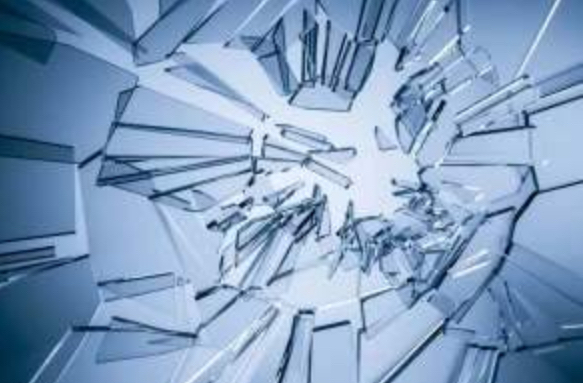
Why are there more and more people bullying you - Broken Windows Theory (Chapter 360 Psychology Knowledge) In Chapter 360 of "The Psychochemist", once the original harmonious atmosphere is broken, it can easily be destroyed by more people. This is the classic psychological effect - the broken windows theory. In life, we must always remind ourselves to never be that broken window. Broken windows theory is a theory in criminology proposed by James Q. Wilson and George L. Kelling and published in an article titled "Broken Windows" in the March 1982 edition of The Atlantic Monthly. This theory believes that if undesirable phenomena in the environment are allowed to exist, people will be tempted to imitate them or even worsen them. Take a building with a few broken windows. If those windows are not repaired, vandals may destroy more windows. Eventually they may even break into a building and, if found uninhabited, perhaps settle there or set fire to it. If there are some graffiti on a wall that has not been cleaned, it will soon be covered with messy and unsightly things; if there are some scraps of paper on a sidewalk, there will soon be more garbage, and eventually people will throw the garbage on the ground as a matter of course. This phenomenon is the broken window effect in criminal psychology. Stanford University psychologist Philip Zimbardo conducted an experiment in 1969. He found two identical cars and parked one in a middle-class neighborhood in Palo Alto, California, while the other was parked in the relatively cluttered Bronx, New York. [1] On the one parked in the Bronx, he took off the license plate and opened the roof, and it was stolen that same day. The one in Palo Alto was ignored for a week. Later, Zimbardo used a hammer to knock a big hole in the car's glass. As a result, after just a few hours, it disappeared. Based on this experiment, political scientist Wilson and criminologist Kaelin proposed a theory of the "broken window effect", believing that if someone breaks the window glass of a building, and the window is not repaired in time, others may be given some demonstrative connivance to break more windows. Over time, these broken windows create a sense of disorder. As a result, in this atmosphere of public insensitivity, crime will breed and flourish. The "first broken window" is often the starting point for things to go south. This phenomenon can often be seen in our daily life. For example, let's say you visit two friends' homes. Friend A's home has bright windows and clean floors, and the floor is spotless. If he forgets to prepare an ashtray for you, you will definitely ask him to find an ashtray for you before lighting up your cigarette, and you will never bear to let the ashes fall on the shiny floor. Friend B's home is full of dust and paper scraps. You probably didn't bother to ask your friends to find an ashtray for you, and instead just let the ashes fly away or just threw the cigarette butt on the ground. Of course, the deterioration of the matter cannot be separated from the hands behind it that add fuel to the flames. When faced with the "first broken window", we often suggest to ourselves: the window can be broken without punishment. Thinking like this, before we knew it, we became the second pair of hands and the third pair of hands... We went to the market to buy melon seeds and grabbed a few to taste. What about melon seed peel? Where did you put it? Did you see a piece of melon seed peel on the ground, so you smashed the peel and threw it on the ground? Walking on the street on a hot day, buying an ice cream cone, and not finding a trash can for a long time, where would you put the wrapping paper? Should you find a corner with garbage and throw it away quietly? There are more and more noises on the road, handwriting on the wall, and phlegm on the ground. We are getting further and further away from elegance, civilization, and morality. "The environment has long been dirty, and the garbage I threw away will not play a key role at all." "I didn't do it first anyway," many people will argue. In fact, these statements are simply untenable. If they are wrong, they are wrong. The size of the impact cannot change the nature of the wrong behavior, and other people's mistakes will not be the reason to prove that you are not wrong. Don't do evil things because of small things, regulate yourself, and don't let the "broken window effect" happen again and again. In fact, there is interaction between people and the environment, and the quality of the environment is a reflection of human behavior. Many of us complain about the poor environment, but they rarely reflect on their words and deeds. Many people stare at the dark side of society, and as a result, their minds become narrow and dark, and they unconsciously become a "broken window" in society. Not only can we not be the ones who break the window for the Nth time, we must also work hard to be the ones who repair the "first window". Even when we cannot choose the environment, or even have no power to change the environment, we can still work hard, that is, to prevent ourselves from becoming a "broken window." From the "broken window effect", we can get the following truth: the existence of any kind of undesirable phenomenon is conveying a message, which will lead to the infinite expansion of the undesirable phenomenon. At the same time, we must be highly vigilant about those seemingly accidental, individual If such behavior is ignored, turned a blind eye, slow to respond, or corrected poorly, more people will be allowed to "break more window glass", and it is very likely to turn into the consequences of "a dike thousands of miles away, collapse in an ant nest". Just like what Liu Bei said, don't do good deeds because they are small, and don't do evil because they are small. (Disclaimer: We respect originality. The images, texts and other manuscripts contained on this platform are for public welfare purposes. The non-original images, texts and other content used by this platform cannot be contacted with the copyright owner one by one. If the content copyright owner believes that this reprint is inappropriate, please contact us and we will delete it within 24 hours.)

How many types of laxatives are there (trivia in Chapter 326)
How many types of laxatives are there (trivia in Chapter 326) In Chapter 326 of "Psychochemist", Yu Fan restored Liu Hailing's innocence through the characteristics of different types of laxatives. So what types of laxatives are there? If you don't take laxatives well, you can die. Do you really know how to take laxatives? Laxatives (catharitics) are drugs that can increase intestinal water, promote peristalsis, soften stool or lubricate the intestines to facilitate defecation. It is mainly used clinically for functional constipation. Divided into volumetric, stimulating and lubricating, osmotic, bulking laxatives, etc. Volumetric laxatives non-absorbable salts Magnesium sulfate (MgSO4·7H2O) and sodium sulfate (Na2SO4·10H2O) are also called salt laxatives. It is difficult to absorb in the intestine. Oral administration of large amounts creates high osmotic pressure, which prevents the absorption of water in the intestine, expands the intestine, stimulates the intestinal wall, and promotes intestinal peristalsis. In addition, magnesium salts can also cause the duodenum to secrete cholecystokinin, which can stimulate intestinal juice secretion and peristalsis. Generally, if you take it on an empty stomach and drink a lot of water, diarrhea will occur within 2 to 8 hours, and liquid feces will be excreted. The cathartic effect is severe, so it is mainly used clinically for patients who need to quickly clean the intestines, such as the elimination of intestinal poisons and the elimination of certain anthelmintic drugs together with the worms and drugs. High-concentration magnesium sulfate is taken orally or injected directly into the duodenum through a catheter, which reflexively causes relaxation of the common bile sphincter and contraction of the gallbladder, resulting in a choleretic effect. It can be used for obstructive jaundice and chronic cystitis. Magnesium sulfate and sodium sulfate have severe laxative effects and can cause reflex pelvic congestion and water loss. Use with caution during menstrual period, pregnant women and the elderly. Food fiber and other substances 1. Lactulose (osmotic laxative) is a disaccharide of galactose and fructose. It is not digested and absorbed in the small intestine, so it can induce diarrhea. The unabsorbed part enters the colon and is metabolized by bacteria into lactic acid, etc., Further increasing the intestinal osmotic pressure and causing laxative effects. Lactulose can also lower the pH value of colon contents and reduce the formation of ammonia in the intestine; H+ can form ammonium ions (NH4+) with the generated ammonia without being absorbed, thereby reducing blood ammonia. It can be used for chronic portal hypertension and hepatic encephalopathy. It should be noted that the loss of water and electrolytes caused by diarrhea can worsen hepatic encephalopathy. 2. Dietary fiber includes natural and semi-synthetic polysaccharides and cellulose derivatives in vegetables and fruits such as methylcellulose and carboxymethylcellulose, which are not absorbed by the intestines. They increase intestinal volume and keep feces soft and soft, and have a good laxative effect. It can prevent and treat functional constipation. Contact laxatives Formerly known as "stimulant laxatives". A class of drugs that can affect intestinal activity and the absorption of water and electrolytes in the intestinal mucosa, causing diarrhea. Including anthraquinones and diphenylmethanes, botanical laxatives such as rhubarb, senna, and aloe vera contain anthraquinone glycosides. It mainly acts on the large intestine and has no effect on the absorption function of the small intestine, so it can be used for acute and chronic constipation. *Phenolic peptides are also a contact laxative. [1] 1. After oral administration, phenolphthalein meets alkaline intestinal fluid in the intestine to form soluble sodium salt, which can promote colon peristalsis. Soft stool will be excreted 6 to 8 hours after taking the medicine. It has a mild effect and is suitable for chronic constipation. Approximately 15% of phenolphthalein taken orally is absorbed. It is excreted in urine and will appear red if the urine is alkaline. Part of it is excreted by bile, and enterohepatic circulation prolongs its action time, so the effect of one dose can last for 3 to 4 days. In case of allergic reactions, enteritis, dermatitis and bleeding tendencies may occur. Similar drugs, bisacodyl (bisacodyl), are used to clean the intestines before and after acute and chronic constipation, X-rays, endoscopy or surgery. 2. Anthroquinones: Rhubarb, senna, aloe and other plants contain anthraquinone glycosides, which are decomposed into anthraquinone by bacteria in the large intestine after oral administration, which can increase propulsive peristalsis of the colon. Defecation occurs 6 to 8 hours after taking the medicine. It is often used for acute and chronic constipation. Slippery laxative Lubricating laxatives work by lubrication and softening of stools locally. Suitable for the elderly and patients with hemorrhoids and anal surgery. 1. Liquid paraffin is a mineral oil that is not digested and absorbed by the intestines. It has the effect of lubricating the intestinal wall and softening the feces, making it easier to pass the feces. 2. Glycerin (glycerin) enema is injected into the anus with a 50% concentration of liquid. The high osmotic pressure stimulates the intestinal wall to cause a defecation reaction and has local lubrication, causing defecation within a few minutes. Suitable for children and the elderly. Hypertonic laxatives For example, magnesium sulfate, magnesium oxide, lactulose, sorbitol, etc., Because the inorganic (organic) ions contained in them are not absorbed, they form a hypertonic state in the intestine, and water enters the intestinal cavity from the body to help defecation. Adverse reactions: Can cause electrolyte disorders, such as hypermagnesium, hyperkalemia, hypernatremia and hypocalcemia. Excessive doses of lactulose can cause diarrhea. Polyethylene glycols (bulging laxatives) Polyethylene glycol drugs fix water molecules through the hydrogen bonds of polyethylene glycol 4000. After absorbing water in the intestines, they expand to form colloids, making the intestinal contents softer and larger in volume, thus promoting the final completion of defecation. Polyethylene glycol product Polyethylene glycol electrolyte powder is the only domestic polyethylene glycol product with two indications, a small dose for laxatives and a large dose for bowel cleansing. Polyethylene glycol electrolyte powder has purely physical effects: no absorption, no metabolism, safe and non-irritating. Gastrointestinal motility drugs This type of drug, represented by cisapride, stimulates intestinal motility by promoting the secretion of acetylcholine. Erythromycin and its series of drugs also promote intestinal peristalsis. Adverse reactions: Cisapride has adverse effects on the heart, and erythromycin can cause stomach discomfort. (Disclaimer: We respect originality. The images, texts and other manuscripts contained on this platform are for public welfare purposes. The non-original images, texts and other content used by this platform cannot be contacted with the copyright owner one by one. If the content copyright owner believes that this reprint is inappropriate, please contact us and we will delete it within 24 hours.) Because there are certain restrictions on the typesetting of the book club, you can just read it for now. I will rearrange it and post it on Weibo and official accounts later, so you can look forward to it.

For a collection of knowledge that appears in "Psychochemist", please click here, you will be wiser
For a collection of knowledge appearing in the novel, please click here, you will be wiser In order to better let everyone understand the knowledge presented in the novel, my assistant and I opened three platforms: Weibo, official accounts, and Toutiao. And all the popular science knowledge in the novel is put on the platform for everyone to check. You only need to search "Yu Yiji" to find it, and enjoy the joy of knowledge anytime and anywhere. In fact, I originally wrote this novel just to fulfill a wish of my teacher and a promise of mine. Gradually, I found it very fun to integrate knowledge into novels. Every day after work, I would write my stories based on my own experiences. But something happened later that made me take the novel more and more seriously. As the number of words in the novel increased, fans gradually joined the group, or sent me messages saying that because of this novel, they became interested in knowledge and became more passionate about learning. They used some learning methods explained in the novel, and their grades improved by leaps and bounds. The confusion in life was also solved with psychological knowledge. Moreover, some of the "principle" content in the novel also aroused everyone's resonance and thinking. This touched me very much. I didn't expect that such a novel that few people read could bring benefits to the lives of friends who are destined to be together. This made me feel that I was not only writing a novel, but also doing something very meaningful to everyone. Many people think that reading novels is a waste of time and has no nutrition, but I hope that through our efforts, we can change people's prejudices and bring more positive energy to this society. So I discussed it with my assistant and sorted out all the knowledge points that appeared in the novel. Combined with the plot of the novel, I posted it on various platforms. This might inspire everyone's love for knowledge. Let's create a novel that will be useful to everyone. No matter how many people will eventually read this book, I hope that through our efforts, every friend who reads this novel can gain their own share of growth and happiness.


Valentine's chemical love letter, take it directly if you need it
Valentine's chemical love letter, take it directly if you need it😘😘😘 Missing you is O, missing you is H, Originally it was H2O - the source of life, Finally, H2O2--medium to deep. You are bromine water, I am cyclopropane, To be with you, I would rather break with the family and highlight my own nature. I am with you, just like acetic acid and ethanol. Even if there are different hydrogen nuclear magnetic resonance spectra. They will also give up their shortcomings and stay together forever. If copper cannot resist the corrosion of concentrated sulfuric acid, Then I will become aluminum, Gently hold you in my arms, Always protect you. Do you know what the half-life of C-14 is? It is less than one thousandth of the time I spent waiting for you.
How to judge the other person's mental state through the direction of his toes (Chapter 129 Psychology Quiz)
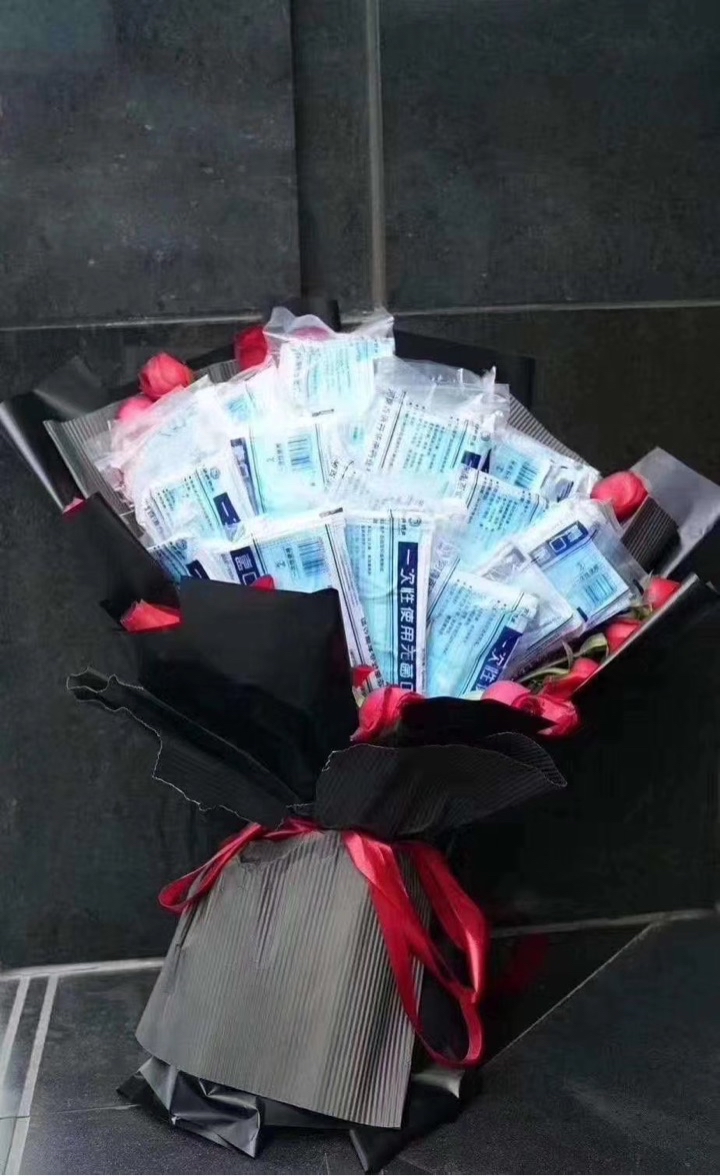
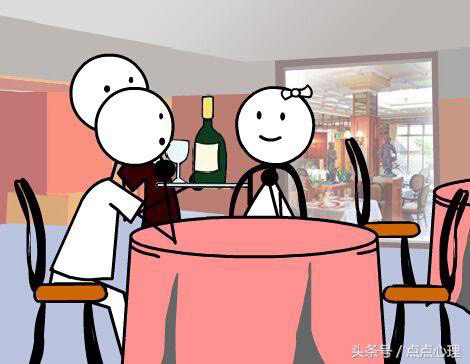
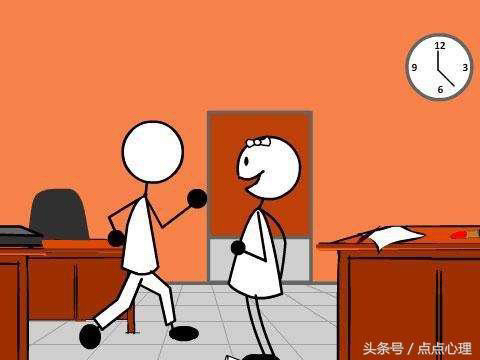
How to judge the other person's mental state through the direction of his toes (Chapter 129 Psychology Quiz) The orientation of a person's face, facial expressions, etc. Can all be controlled by the person's will, and it is very simple to control. However, few people pay attention to the direction of the knees and toes. Because of this, the direction of the knees and toes can often truly reflect a person's heart. When you are with the person you like, you will naturally turn your body towards the other person, not only the face, but also the knees and toes will unconsciously point towards the other person. It can be said that this is a defensive posture to prevent other people from squeezing in between the two people. In other words, if a couple smiles at each other and talks and laughs happily, but their toes always point in different directions, it means that the relationship between the two is actually not harmonious, and they may be facing the test of breaking up. This rule applies not only to lovers, but also to friends and colleagues. If everyone gets along, they will naturally turn the front of their bodies towards each other. Understanding this rule is also very helpful for us when we are on a blind date. During a blind date, if we like the other person, we will definitely turn the front of our body towards him (her). At the beginning, the other person may twist their body and talk to us only with their face. After chatting for a while, if the other person also develops a liking for us, they will unconsciously twist their bodies and even their toes will point towards us. Of course, if they are not interested, they will never point their toes towards us. If the other person's toes keep pointing in other directions during the chat, and they get up to go to the bathroom midway, then they are definitely no longer interested in us, and we don't need to continue to waste time. This article is excerpted from "Diandian Psychology"
The evolution history of "fake blood" in movies (Part 1) (Chemistry knowledge in Chapter 364)
The evolution history of "fake blood" in movies (Part 1) (Chemistry knowledge in Chapter 364) In Chapter 364 of "Psychochemist", Yu Fan complained that the fake blood used by Dai Yongbing was unprofessional. In fact, in the movie, those magical fake blood are so lifelike, and they also have a long evolutionary process. Come and see what's going on. Because the history of the evolution of fake blood is too long, I divided it into two episodes. In a nightclub, the owner smashed a wine bottle and smeared it in the mouths of the guests, and the glass shards caused blood to flow. In the pork stall, a living person was naked, wrapped in plastic wrap and hung upside down, and was slaughtered by a butcher using a chainsaw, with blood spraying on his face. Inside the door, Jianghu gangs were chasing traitors and orphans, gathering several people to fight fiercely, and running around with murderous intent. Someone slashed his neck with a diagonal knife, and blood foam flew all over the sky, creating a blinding veil in front of his eyes. Some people were chopped with iron plates until their brains splattered, their muscles and bones were broken, their flesh and blood were blurred, and they looked bright red from a distance. Blood, blood, blood. [Night of Man-hungry] was like a feast of flesh and blood. On the banquet table there was a bloodbath without any cover-up. Broken arms and legs were everywhere, like a goddess scattering flowers. The stomach was knotted when the chopsticks were not used, and the ones who were using the chopsticks were uneasy to eat. But where did the blood in this movie come from, human bodies or animal offal? Or, as fans say, is it the ketchup that the director has been hoarding for many years? In 1897, a theater called "The Grand Marionette" popped up on a street in Paris. It had a total of 293 seats and was extremely small. It doesn't matter, the audience here doesn't come here to enjoy some elegant stage play, but just to experience a terrifying and exciting feeling. Horror dramas are Grand Guignol's specialty. The most famous ones include "The Duchess of Malfi", "The White Devil" and "Laboratory of Illusions", which feature splashes of blood and flying limbs in three acts and a climax in five acts. The whole scene was filled with weird things happening one after another, and blood after blood, which made the audience fascinated and unable to stop. The Grand Guignol Theater's peak period was between World War I and World War II, when many royal members and dignitaries patronized it. It is said that because horror dramas are so realistic, viewers often get dizzy and vomit. In order to lighten the mood of the audience, horror dramas are often staged alternately with comedies. Of course not real blood. At that time, if a stage play encountered such a situation, they would usually throw a red handkerchief and go out, pretending that there was blood. The Grand Guignol Theater felt that it was a bit perfunctory, so it invested money and bought a kind of insect called "Cochineal". Phylum Arthropoda, order Homoptera, native to Mexico and Central America, often parasitic on cactus plants. Because its body contains a large amount of magenta acid and carmine, it is also named "cochineal". In ancient Egypt and Greece, this bug was used as a dye, and medieval painters also used it as a pigment for painting. However, due to its age and the fact that its color is not light-resistant, there are very few pictures and information left. However, in Spanish manuscript records, this red is comparable to alizarin red, and it was once replaced. But what does alizarin red look like? In the movie "The Night Banquet", Zhang Ziyi played the role of Wan Hou. Before she died, she cried while holding a ball of silk and said, "It is as red as people's burning desire." This is Alizarin Red. I think the cochineal insect's body is probably the same color. To use it as fake blood, the process is quite complicated. The cochineal beetles need to be boiled, and the residue on the body is removed, leaving the red substance to make a soup. When it cools and condenses, it becomes fake plasma. In 1916, a soldier was disemboweled by the enemy, and blood flowed out all over his stomach. This was the effect of cochineal. The scene of disembowelment is the result of mixing cochineal and methylcellulose. It is thicker than simple "cochineal soup". It is said that this pigment has also been used to color Campari wine until it was abolished in 2006. [Nosferatu] in 1922 and [Dracula] in 1931 also did the same thing, but the amount was smaller, and it was only used in the plot where the finger accidentally made a cut, which was seen by the vampire and was eaten clean in an instant. But this method is not worth it. Not only is the production process cumbersome, but the cost is also high. In addition, trying to achieve the ultimate color in a black-and-white movie is superfluous and innocuous. There is really no need to insist on the realistic color of blood. What's more, in order to brighten the actor's skin color, the post-production staff at that time would put a red filter on the film. If the blood plasma is also red, and the two reds collide, after processing, no matter how red it is, it will inevitably be distorted. So Hollywood came up with an idea, using chocolate syrup instead of plasma, which simplified the production process and saved time and effort. 1968'S "Night of the Living Dead" is a representative example of this. It is said that a small town accidentally released a certain kind of ray, which caused the dead bodies to resurrect one after another, climb out of the graves, and slaughter the living people, setting off a bloody storm. Chocolate syrup is dripping everywhere on the walls, floors, and people, but the color and consistency are very much like blood. It also forms a strong contrast with the light background, complementing each other, and the effect is very real. The director of [Night of the Living Dead] is George A. Romero. When a reporter asked him to describe the movie, he only used one word, Splatter - blood splatter. The term was later used to describe plasma films, called "Splatter films" But it's not the first time it's been used like this. As early as 1960, Hitchcock used chocolate syrup to make fake blood in the famous bathroom murder scene in Psycho. It was late at night, the moon was dark and the wind was high. The beautiful woman was taking a bath in the bathroom. The murderer rushed in and stabbed the sexy and plump body one after another. At that time, the squeeze bottle had just been invented - the kind of plastic bottle used to squeeze ketchup from roadside stalls. Hitchcock filled it with chocolate syrup and squeezed it to create a dripping effect. Extraordinarily real. Writer Stephen Rebello lamented in his "Return to Psycho", "It's quite revolutionary." But there was someone in the audience who didn't think so. While watching "Psycho", he looked like an old prostitute with a dull expression, just looking forward to the end soon, without feeling the taste of orgasm at all. This person's name is Herschel Gordon Lewis. He was a university teacher earlier. He made some commercials and short films in his spare time to entertain himself. He always felt that the violent scenes in "Psycho" were deliberately omitted, which was really a fly in the ointment. So I quit my job, spent $24,000 of my savings, and spent four days filming "Blood Banquet." For color films, if you use the kind of chocolate syrup that is only used for black and white films, it is guaranteed to be exposed. So, Lewis added some natural red pigment to it, which made it more colorful and became famous for a while. (Disclaimer: We respect originality. The images, texts and other manuscripts contained on this platform are for public welfare purposes. The non-original images, texts and other content used by this platform cannot be contacted with the copyright owner one by one. If the content copyright owner believes that this reprint is inappropriate, please contact us and we will delete it within 24 hours.) Document source https://new. Qq. Com/omn/20181029/20181029A0J57H. Html


The psychological explanation of "daze" in Chapter 85
Being dazed and easily distracted always seems to sound negative. We always hear the argument that "distraction is harmful". Think about it since we were young, parents and teachers have always taught us to concentrate and warned us that wandering is a bad habit. During class, we clearly vowed to pay attention to the lecture, but in the end our mind wandered and we missed all the key points. Why is it so hard to concentrate? I love being in a daze so much, how can I reach the peak of life like this? But is being in a daze really useless? Psychologists' research on trance/mind-wandering can be traced back to more than a hundred years ago. William James, the father of American psychology, had already seen the important role of mind-wandering. Although many studies point to the negative effects of mind wandering, such as causing negative emotions and maladaptation, psychologists have indeed discovered benefits related to mind wandering. Next, let's look at daze and mind-wandering from another perspective. 1. Your mind wandered half the time today. In psychology, a series of related concepts such as mind wandering and distraction are defined as mind wandering. Mind wandering is a self-generated mental activity that has nothing to do with stimulation, which means that this mental activity has nothing to do with the current task. Research shows that our minds wander nearly half of our waking hours. Whether you like to admit it or not, our brains can't always focus. Researcher Jonathan Schooler once asked subjects to spend 45 minutes reading and tested the number of times their minds wandered during the process. The results showed that the average number of times the subjects were distracted reached 6.6 Times. Our mind wanders so much when our minds know we need to concentrate on research, let alone when we're studying for a test or reading a book in private. Seeing this, you who were running away from work quickly breathed a sigh of relief. 2. The more your mind wanders, the better your creativity will be. Psychologists have found that mind wandering may improve our creativity. Baird and others from the University of California, Santa Barbara conducted research on mind wandering and creativity. In the study, subjects were divided into three groups, and all subjects completed two creativity tests. There was a 12-minute interval between the two tests, during which the three groups performed different tasks to induce varying degrees of mind wandering. It was found that after the interval, compared to the first creativity test, the subjects with the highest increase in creativity in the second test came from the group with the highest level of mind wandering. That is, the increased number of distractions may be what increases creativity. Baird explained that during the process of mind wandering, the brain's executive and default networks (Executive and Default Networks) interact. In other cognitive processes, this interaction is less frequent. So when the mind wanders, it is very likely that the collision of these two systems promotes the "incubation" of ideas. Secondly, the process of mind wandering enhances unconscious associative processing (Unconscious Associative Processing), and this process promotes the generation of novel ideas or unconventional solutions. Overall, when our minds wander, there is a collision between different neural networks in the brain. Our thoughts do not follow a predetermined path, but wander and explore randomly in the vast unknown territory. This ups and downs of randomness provides a spark for creativity. If you are lucky, you may catch that exciting "good idea" on a tree-lined path. This may be why artists always do some incredible things that have nothing to do with their own profession to seek inspiration. Maybe when they are not focused, their mind wanders, and the moment of inspiration comes more easily. 3. People who are distracted think further. Relevant research shows that the longer the mind wanders, the longer-term perspective people may have on problems. The concept of delay discounting is widely used in economics, psychology and other fields. It represents the degree to which the value of a reward is greatly reduced over time. If people are given a choice between a smaller but immediate reward and a larger reward that requires waiting, people with higher delay discounts will prefer the former. This means that people are willing to sacrifice long-term goals for short-term gains. Psychologist Jonathan Smallwood studied the relationship between mind wandering and delay discounting. In this 2013 study, Smallwood induced varying degrees of "task-irrelevant thinking" (which can be understood as levels of mind wandering) in subjects. Then measure their delay discount, such as getting 500 yuan now or 800 yuan a week later. The results showed that subjects with more task-irrelevant thoughts were more likely to choose 800 yuan a week later. In other words, the longer the subjects were distracted, the more willing they were to wait for a bigger reward in the future. This study explains that when an individual is distracted, the thoughts in his mind are isolated from the external environment. For example, when you are completing an experimental task, you may be distracted by thinking about whether 500 yuan or 800 yuan is more beneficial to you. This kind of self-generated thought means that people let go of their attention to "events happening at the moment" and avoid the interference of these events, thereby focusing on personally related issues and thinking more patiently and comprehensively about the good and bad of this matter and how to choose to get long-term benefits. In addition, according to the previously introduced research on mind wandering and creativity, the process of mind wandering may also allow people to discover more novel and brilliant ideas beyond the options. Therefore, people who are prone to mind-wandering may be able to develop a long-term plan that is full of novelty and restrained rationality (doesn't it sound great! 4. You are solving problems when your mind wanders In addition, the content of mind-wandering reflects the events that people are most concerned about at the moment, which may be unresolved, worrying, or things they hope to achieve. Many times, daydreaming occurs unconsciously. Our brains always seem to be restless and eager to try before we realize it. For example, you don't know when your focus will shift from mathematical formulas to the long-standing question of whether to buy a fitness card. The capacity of human consciousness is very limited. Processing several kinds of information at the same time may occupy cognitive resources, but the capacity of the unconscious is very broad. Therefore, one of the adaptive functions of mind wandering is to connect the consciousness and the unconscious, driving those worrying things to actively emerge in the individual's mind, allowing people to consciously solve them, which causes people's mind wandering. From this point of view, mind wandering can essentially be a way to solve problems. In addition to the above-mentioned benefits of mind wandering, research on it also shows that mind wandering may enhance memory, protect the self, etc. Next time you're caught wandering off during a meeting, just say something serious like, "I'm just wandering my mind looking for inspiration" (let's forget it. Okay, if you didn't get distracted, congratulations on seeing the end :) In general, mind wandering is a natural product generated by our brains with adaptive significance. To a certain extent, mind wandering can help us improve our creativity, prompt us to make rational decisions, and remind us to solve the problems that are currently troubling us. But of course, sometimes we still have to concentrate on studying and working. We just hope that when you come back to your senses, you will not blame yourself blindly and struggle to prevent mind wandering. Although the occurrence of mind wandering can be reduced, the mind that should go away will still go no matter what. We hope that those wandering thoughts can lead you to explore the vast universe, bring you sparks of creativity, and bring you the joy of wandering thoughts. References Baird, B., Smallwood, J., Mrazek, M. D., Kam, J. W., Franklin, M. S., & Schooler, J. W. (2012). Inspired by distraction: mind wandering facilitates creative incubation. Psychological Science, 23(10), 1117. Corballis, M. C. (2015). The wandering mind. Univ of Chicago Pr. Leszczynski, M., Chaieb, L., Reber, T. P., Derner, M., Axmacher, N., & Fell, J. (2017).

This psychological skills test will cost ten more points (little knowledge shared in response to fans' requests)
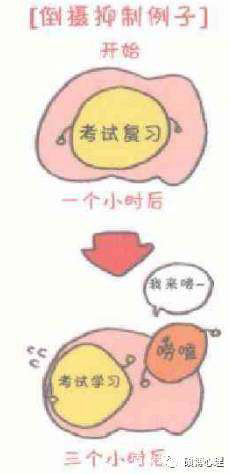
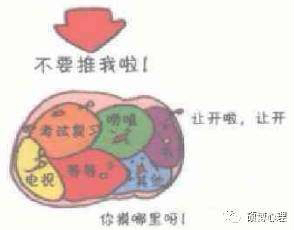
This psychological skills test will cost ten more points (little knowledge shared in response to fans' requests) The exam season is about to enter, and I saw that many friends in the fan group have begun to prepare for the exam anxiously. Affected by the epidemic this time, the review rhythm of the friends has been completely disrupted, which affects their performance, so they asked me for advice. As someone who has been there, I suddenly remembered that when I took the postgraduate entrance examination, in addition to careful review, I also used a lot of psychological techniques, and finally performed exceptionally well. So I decided to collect as many psychological skills about exams as possible recently and share them with you. I wish you all good luck with your exams. Using knowledge to benefit book lovers in real life is also one of the purposes of this book. What I want to share with you today is about the characteristics of memory. Reviewing suddenly before an exam is not necessarily a good thing, but when people make up their minds to review hard, they suddenly find that the exam is coming the next day. The last trick to be used at this time is cramming and reviewing before the exam. Since we have to do it, why not let us know about a more effective surprise review method. On the day of the surprise review, you will definitely stay up late to review. When you think about going to bed, you may be afraid of forgetting the review content and continue to stay up late to review. You are also afraid that you will be sleepy and tired during the exam the next day, which will affect your performance in the exam. Sleep or not, which option will be more effective? American psychologist Jenkinson conducted a very interesting experiment. Divide students with similar academic performance into two groups, A and B, and teach them the same content. Students in Group A are required to go to bed immediately after class, while students in Group B are given no other requirements and are free to arrange their own study time. The next day, all students were given a test based on the content of the previous day's class. The experimental results showed that the average memory rate of students in group A who took sleep reached 56%, while the memory rate of students in group B who enjoyed free time was only 9%. The reason is that the memory effect is affected by "retrophotographic suppression". "Retroactive inhibition" refers to the phenomenon that the memory content of previously learned memory gradually weakens as time goes by and is affected by other activities or memories. Because there is not enough review time, when you review suddenly, if you are affected by other activities or thoughts after the review, your memory will decline during the review. Therefore, students who continue to do other activities after studying will be affected by "retroactive inhibition" and their memory will decline. However, students who fall asleep directly without doing any other activities will show better memory. The phenomenon of "retroactive inhibition" not only appears in the process of surprise review, but also occurs in all memory activities. If the activity or content to be remembered is important and the situation is urgent, it is best to go to bed immediately after remembering the relevant content. As long as you read it again easily the next day, you can get the best memory effect. When we understand that memory has the characteristics of "retroactive inhibition", then in the process of learning and memorizing, if we master the memory skills and avoid factors that affect memory, then we will get twice the result with half the effort in learning. Welcome everyone to join the "Psychochemist" fan group: 728474658, thank you for your support. (Disclaimer: We respect originality. The images, texts and other manuscripts contained on this platform are for public welfare purposes. The non-original images, texts and other content used by this platform cannot be contacted with the copyright owner one by one. If the content copyright owner believes that this reprint is inappropriate, please contact us and we will delete it within 24 hours.)






The prototype of the story of "Hard Steel MLM Organization on Stage" in Chapter 117
The prototype of the story of "Hard Steel MLM Organization on Stage" in Chapter 117 In the author's opinion, MLM is no less harmful than violent crime. It not only seeks money and kills, but also subverts other people's outlook on life and brainwashes others to take advantage of them. MLM can even kill people invisibly. One of the author's close relatives died indirectly from an MLM product. At that time, the author's close relative was suffering from cancer. His condition had stabilized under the hospital's radiotherapy and chemotherapy. He took medicine regularly every day and had not relapsed for several years. But the author's close relatives accidentally came into contact with people from the MLM organization, and they told them that they had a panacea that could completely cure cancer! My close relatives who were eager to seek medical treatment accidentally listened to their brainwashing tactics and started taking MLM products and gave up on regular medicines. Half a year later, the author's close relative's cancer recurred and he died the following year. From then on, the author hated MLM organizations! Determined to harden these unscrupulous MLM organizations, when I was working in Xi'an, the author was fortunate enough to come into contact with no less than 10 MLM organizations, and all of them successfully sneaked in and exposed their tracks! One of the most exciting times was to make a scene on the stage, which is the prototype of the story in the novel. The author hopes that through some of my own efforts, people who are addicted to MLM scams will wake up soon, and I will also use my own actions to comfort my deceased relatives...

Can't stop playing on your phone? The secret behind mobile phone addiction (Chapter 294 Psychology Knowledge)
Can't stop playing on your phone? The secret behind mobile phone addiction (Chapter 294 Psychology Knowledge) Can't stop swiping your phone? Why do mobile phones make people feel addicted? In Chapter 284 of "The Psychochemist", Yu Fan's childhood friend Shi Yi is addicted to mobile phones. So today we will discuss from a scientific perspective: the principles of mobile phone addiction, as well as measures to deal with and improve it. Let us put down our mobile phones and live a more exciting version of ourselves! Mobile phones have become an important part of our lives It is the umbilical cord that connects us to the world, continuously delivering important, unimportant, useful, useless, and complex information and pleasure to us. We begin to wonder, as if we should no longer waste so much time on our phones, but we seem unable to break free. Many people have begun to show some symptoms of addiction to mobile phones: they always touch the mobile phone subconsciously; they can't stop when they turn it on; they feel anxious if they don't look at it for a while; and if their mobile phone is not around, it's like they are addicted to cigarettes, and they are at a loss what to do. Why do mobile phones make people feel addicted? Once upon a time, the mainstream view in the academic community was that, like drug abuse, the root cause of addictive behavior comes from "pleasure dependence." Dopamine is an important neurotransmitter that plays an important role in the production of euphoria. Many drugs directly or indirectly act on the dopamine system of the human brain, causing us to produce more euphoria, thereby inducing addictive behaviors. But that's not the whole truth In the early 1920s, academic circles designed a series of animal experiments on addiction. There is a classic experiment designed like this: In a cage, two bottles of pure water are placed, one of which is mixed with heroin or cocaine. Then, a mouse is put into the cage. After the experiment for a period of time, a considerable proportion of the mice will gradually become dependent on the water containing the addictive drug, require increasing doses, and even die from it. In the 1970s, psychology professor Bruce Alexander redesigned this experiment: Rats are no longer locked in cramped cages all day long with nothing to do but take drugs. Instead, they are placed in a well-designed and luxurious mouse amusement park, where there are toys and friends, and they can have a complete and healthy "mouse life". After placing two bottles of water in the same place, in this experiment, the rats' addiction and drug abuse conditions were greatly improved. This has to make us start to rethink the truth about addiction: drugs do not seem to be the key to addiction, the cage is During the U. S. Vietnam War, 20% of soldiers used heroin in large doses, which even triggered social panic in the United States. However, subsequent follow-up studies found that 95% of the soldiers stopped taking drugs automatically after returning home without even needing detoxification and treatment. These phenomena all point to the fact that simple physiological stimulation cannot cause inextricable and severe addiction. Substance abuse seems more like a result than a cause. Behind addictive behavior is often a messy life Human beings are emotional animals who need connections with other people, high-quality intimate relationships, spiritual support, trust, a sense of value, and a sense of accomplishment. However, if there is only trauma, alienation, and frustration in the real world, then we are likely to turn to other sustenance: drug abuse, cell phone addiction, gambling, gaming, or anything else. If your abuse of mobile phones becomes more and more serious, then the root of the problem is probably not mobile phones, but our neglected and increasingly desolate real life. The cage of life is being built unconsciously Therefore, putting down your mobile phone and carefully taking care of real life may be the best antidote to addiction problems. (Disclaimer: We respect originality. The images, texts and other manuscripts contained on this platform are for public welfare purposes. The non-original images, texts and other content used by this platform cannot be contacted with the copyright owner one by one. If the content copyright owner believes that this reprint is inappropriate, please contact us and we will delete it within 24 hours.)

Rating
Community(0)
Official(494)Scraped 2mo ago
Why are there more and more people bullying you - Broken Windows Theory (Chapter 360 Psychology Knowledge)
Why are there more and more people bullying you - Broken Windows Theory (Chapter 360 Psychology Knowledge) In Chapter 360 of "The Psychochemist", once the original harmonious atmosphere is broken, it can easily be destroyed by more people. This is the classic psychological effect - the broken windows theory. In life, we must always remind ourselves to never be that broken window. Broken windows theory is a theory in criminology proposed by James Q. Wilson and George L. Kelling and published in an article titled "Broken Windows" in the March 1982 edition of The Atlantic Monthly. This theory believes that if undesirable phenomena in the environment are allowed to exist, people will be tempted to imitate them or even worsen them. Take a building with a few broken windows. If those windows are not repaired, vandals may destroy more windows. Eventually they may even break into a building and, if found uninhabited, perhaps settle there or set fire to it. If there are some graffiti on a wall that has not been cleaned, it will soon be covered with messy and unsightly things; if there are some scraps of paper on a sidewalk, there will soon be more garbage, and eventually people will throw the garbage on the ground as a matter of course. This phenomenon is the broken window effect in criminal psychology. Stanford University psychologist Philip Zimbardo conducted an experiment in 1969. He found two identical cars and parked one in a middle-class neighborhood in Palo Alto, California, while the other was parked in the relatively cluttered Bronx, New York. [1] On the one parked in the Bronx, he took off the license plate and opened the roof, and it was stolen that same day. The one in Palo Alto was ignored for a week. Later, Zimbardo used a hammer to knock a big hole in the car's glass. As a result, after just a few hours, it disappeared. Based on this experiment, political scientist Wilson and criminologist Kaelin proposed a theory of the "broken window effect", believing that if someone breaks the window glass of a building, and the window is not repaired in time, others may be given some demonstrative connivance to break more windows. Over time, these broken windows create a sense of disorder. As a result, in this atmosphere of public insensitivity, crime will breed and flourish. The "first broken window" is often the starting point for things to go south. This phenomenon can often be seen in our daily life. For example, let's say you visit two friends' homes. Friend A's home has bright windows and clean floors, and the floor is spotless. If he forgets to prepare an ashtray for you, you will definitely ask him to find an ashtray for you before lighting up your cigarette, and you will never bear to let the ashes fall on the shiny floor. Friend B's home is full of dust and paper scraps. You probably didn't bother to ask your friends to find an ashtray for you, and instead just let the ashes fly away or just threw the cigarette butt on the ground. Of course, the deterioration of the matter cannot be separated from the hands behind it that add fuel to the flames. When faced with the "first broken window", we often suggest to ourselves: the window can be broken without punishment. Thinking like this, before we knew it, we became the second pair of hands and the third pair of hands... We went to the market to buy melon seeds and grabbed a few to taste. What about melon seed peel? Where did you put it? Did you see a piece of melon seed peel on the ground, so you smashed the peel and threw it on the ground? Walking on the street on a hot day, buying an ice cream cone, and not finding a trash can for a long time, where would you put the wrapping paper? Should you find a corner with garbage and throw it away quietly? There are more and more noises on the road, handwriting on the wall, and phlegm on the ground. We are getting further and further away from elegance, civilization, and morality. "The environment has long been dirty, and the garbage I threw away will not play a key role at all." "I didn't do it first anyway," many people will argue. In fact, these statements are simply untenable. If they are wrong, they are wrong. The size of the impact cannot change the nature of the wrong behavior, and other people's mistakes will not be the reason to prove that you are not wrong. Don't do evil things because of small things, regulate yourself, and don't let the "broken window effect" happen again and again. In fact, there is interaction between people and the environment, and the quality of the environment is a reflection of human behavior. Many of us complain about the poor environment, but they rarely reflect on their words and deeds. Many people stare at the dark side of society, and as a result, their minds become narrow and dark, and they unconsciously become a "broken window" in society. Not only can we not be the ones who break the window for the Nth time, we must also work hard to be the ones who repair the "first window". Even when we cannot choose the environment, or even have no power to change the environment, we can still work hard, that is, to prevent ourselves from becoming a "broken window." From the "broken window effect", we can get the following truth: the existence of any kind of undesirable phenomenon is conveying a message, which will lead to the infinite expansion of the undesirable phenomenon. At the same time, we must be highly vigilant about those seemingly accidental, individual If such behavior is ignored, turned a blind eye, slow to respond, or corrected poorly, more people will be allowed to "break more window glass", and it is very likely to turn into the consequences of "a dike thousands of miles away, collapse in an ant nest". Just like what Liu Bei said, don't do good deeds because they are small, and don't do evil because they are small. (Disclaimer: We respect originality. The images, texts and other manuscripts contained on this platform are for public welfare purposes. The non-original images, texts and other content used by this platform cannot be contacted with the copyright owner one by one. If the content copyright owner believes that this reprint is inappropriate, please contact us and we will delete it within 24 hours.)
How many types of laxatives are there (trivia in Chapter 326)
How many types of laxatives are there (trivia in Chapter 326) In Chapter 326 of "Psychochemist", Yu Fan restored Liu Hailing's innocence through the characteristics of different types of laxatives. So what types of laxatives are there? If you don't take laxatives well, you can die. Do you really know how to take laxatives? Laxatives (catharitics) are drugs that can increase intestinal water, promote peristalsis, soften stool or lubricate the intestines to facilitate defecation. It is mainly used clinically for functional constipation. Divided into volumetric, stimulating and lubricating, osmotic, bulking laxatives, etc. Volumetric laxatives non-absorbable salts Magnesium sulfate (MgSO4·7H2O) and sodium sulfate (Na2SO4·10H2O) are also called salt laxatives. It is difficult to absorb in the intestine. Oral administration of large amounts creates high osmotic pressure, which prevents the absorption of water in the intestine, expands the intestine, stimulates the intestinal wall, and promotes intestinal peristalsis. In addition, magnesium salts can also cause the duodenum to secrete cholecystokinin, which can stimulate intestinal juice secretion and peristalsis. Generally, if you take it on an empty stomach and drink a lot of water, diarrhea will occur within 2 to 8 hours, and liquid feces will be excreted. The cathartic effect is severe, so it is mainly used clinically for patients who need to quickly clean the intestines, such as the elimination of intestinal poisons and the elimination of certain anthelmintic drugs together with the worms and drugs. High-concentration magnesium sulfate is taken orally or injected directly into the duodenum through a catheter, which reflexively causes relaxation of the common bile sphincter and contraction of the gallbladder, resulting in a choleretic effect. It can be used for obstructive jaundice and chronic cystitis. Magnesium sulfate and sodium sulfate have severe laxative effects and can cause reflex pelvic congestion and water loss. Use with caution during menstrual period, pregnant women and the elderly. Food fiber and other substances 1. Lactulose (osmotic laxative) is a disaccharide of galactose and fructose. It is not digested and absorbed in the small intestine, so it can induce diarrhea. The unabsorbed part enters the colon and is metabolized by bacteria into lactic acid, etc., Further increasing the intestinal osmotic pressure and causing laxative effects. Lactulose can also lower the pH value of colon contents and reduce the formation of ammonia in the intestine; H+ can form ammonium ions (NH4+) with the generated ammonia without being absorbed, thereby reducing blood ammonia. It can be used for chronic portal hypertension and hepatic encephalopathy. It should be noted that the loss of water and electrolytes caused by diarrhea can worsen hepatic encephalopathy. 2. Dietary fiber includes natural and semi-synthetic polysaccharides and cellulose derivatives in vegetables and fruits such as methylcellulose and carboxymethylcellulose, which are not absorbed by the intestines. They increase intestinal volume and keep feces soft and soft, and have a good laxative effect. It can prevent and treat functional constipation. Contact laxatives Formerly known as "stimulant laxatives". A class of drugs that can affect intestinal activity and the absorption of water and electrolytes in the intestinal mucosa, causing diarrhea. Including anthraquinones and diphenylmethanes, botanical laxatives such as rhubarb, senna, and aloe vera contain anthraquinone glycosides. It mainly acts on the large intestine and has no effect on the absorption function of the small intestine, so it can be used for acute and chronic constipation. *Phenolic peptides are also a contact laxative. [1] 1. After oral administration, phenolphthalein meets alkaline intestinal fluid in the intestine to form soluble sodium salt, which can promote colon peristalsis. Soft stool will be excreted 6 to 8 hours after taking the medicine. It has a mild effect and is suitable for chronic constipation. Approximately 15% of phenolphthalein taken orally is absorbed. It is excreted in urine and will appear red if the urine is alkaline. Part of it is excreted by bile, and enterohepatic circulation prolongs its action time, so the effect of one dose can last for 3 to 4 days. In case of allergic reactions, enteritis, dermatitis and bleeding tendencies may occur. Similar drugs, bisacodyl (bisacodyl), are used to clean the intestines before and after acute and chronic constipation, X-rays, endoscopy or surgery. 2. Anthroquinones: Rhubarb, senna, aloe and other plants contain anthraquinone glycosides, which are decomposed into anthraquinone by bacteria in the large intestine after oral administration, which can increase propulsive peristalsis of the colon. Defecation occurs 6 to 8 hours after taking the medicine. It is often used for acute and chronic constipation. Slippery laxative Lubricating laxatives work by lubrication and softening of stools locally. Suitable for the elderly and patients with hemorrhoids and anal surgery. 1. Liquid paraffin is a mineral oil that is not digested and absorbed by the intestines. It has the effect of lubricating the intestinal wall and softening the feces, making it easier to pass the feces. 2. Glycerin (glycerin) enema is injected into the anus with a 50% concentration of liquid. The high osmotic pressure stimulates the intestinal wall to cause a defecation reaction and has local lubrication, causing defecation within a few minutes. Suitable for children and the elderly. Hypertonic laxatives For example, magnesium sulfate, magnesium oxide, lactulose, sorbitol, etc., Because the inorganic (organic) ions contained in them are not absorbed, they form a hypertonic state in the intestine, and water enters the intestinal cavity from the body to help defecation. Adverse reactions: Can cause electrolyte disorders, such as hypermagnesium, hyperkalemia, hypernatremia and hypocalcemia. Excessive doses of lactulose can cause diarrhea. Polyethylene glycols (bulging laxatives) Polyethylene glycol drugs fix water molecules through the hydrogen bonds of polyethylene glycol 4000. After absorbing water in the intestines, they expand to form colloids, making the intestinal contents softer and larger in volume, thus promoting the final completion of defecation. Polyethylene glycol product Polyethylene glycol electrolyte powder is the only domestic polyethylene glycol product with two indications, a small dose for laxatives and a large dose for bowel cleansing. Polyethylene glycol electrolyte powder has purely physical effects: no absorption, no metabolism, safe and non-irritating. Gastrointestinal motility drugs This type of drug, represented by cisapride, stimulates intestinal motility by promoting the secretion of acetylcholine. Erythromycin and its series of drugs also promote intestinal peristalsis. Adverse reactions: Cisapride has adverse effects on the heart, and erythromycin can cause stomach discomfort. (Disclaimer: We respect originality. The images, texts and other manuscripts contained on this platform are for public welfare purposes. The non-original images, texts and other content used by this platform cannot be contacted with the copyright owner one by one. If the content copyright owner believes that this reprint is inappropriate, please contact us and we will delete it within 24 hours.) Because there are certain restrictions on the typesetting of the book club, you can just read it for now. I will rearrange it and post it on Weibo and official accounts later, so you can look forward to it.
For a collection of knowledge that appears in "Psychochemist", please click here, you will be wiser
For a collection of knowledge appearing in the novel, please click here, you will be wiser In order to better let everyone understand the knowledge presented in the novel, my assistant and I opened three platforms: Weibo, official accounts, and Toutiao. And all the popular science knowledge in the novel is put on the platform for everyone to check. You only need to search "Yu Yiji" to find it, and enjoy the joy of knowledge anytime and anywhere. In fact, I originally wrote this novel just to fulfill a wish of my teacher and a promise of mine. Gradually, I found it very fun to integrate knowledge into novels. Every day after work, I would write my stories based on my own experiences. But something happened later that made me take the novel more and more seriously. As the number of words in the novel increased, fans gradually joined the group, or sent me messages saying that because of this novel, they became interested in knowledge and became more passionate about learning. They used some learning methods explained in the novel, and their grades improved by leaps and bounds. The confusion in life was also solved with psychological knowledge. Moreover, some of the "principle" content in the novel also aroused everyone's resonance and thinking. This touched me very much. I didn't expect that such a novel that few people read could bring benefits to the lives of friends who are destined to be together. This made me feel that I was not only writing a novel, but also doing something very meaningful to everyone. Many people think that reading novels is a waste of time and has no nutrition, but I hope that through our efforts, we can change people's prejudices and bring more positive energy to this society. So I discussed it with my assistant and sorted out all the knowledge points that appeared in the novel. Combined with the plot of the novel, I posted it on various platforms. This might inspire everyone's love for knowledge. Let's create a novel that will be useful to everyone. No matter how many people will eventually read this book, I hope that through our efforts, every friend who reads this novel can gain their own share of growth and happiness.
Valentine's chemical love letter, take it directly if you need it
Valentine's chemical love letter, take it directly if you need it😘😘😘 Missing you is O, missing you is H, Originally it was H2O - the source of life, Finally, H2O2--medium to deep. You are bromine water, I am cyclopropane, To be with you, I would rather break with the family and highlight my own nature. I am with you, just like acetic acid and ethanol. Even if there are different hydrogen nuclear magnetic resonance spectra. They will also give up their shortcomings and stay together forever. If copper cannot resist the corrosion of concentrated sulfuric acid, Then I will become aluminum, Gently hold you in my arms, Always protect you. Do you know what the half-life of C-14 is? It is less than one thousandth of the time I spent waiting for you.
How to judge the other person's mental state through the direction of his toes (Chapter 129 Psychology Quiz)
How to judge the other person's mental state through the direction of his toes (Chapter 129 Psychology Quiz) The orientation of a person's face, facial expressions, etc. Can all be controlled by the person's will, and it is very simple to control. However, few people pay attention to the direction of the knees and toes. Because of this, the direction of the knees and toes can often truly reflect a person's heart. When you are with the person you like, you will naturally turn your body towards the other person, not only the face, but also the knees and toes will unconsciously point towards the other person. It can be said that this is a defensive posture to prevent other people from squeezing in between the two people. In other words, if a couple smiles at each other and talks and laughs happily, but their toes always point in different directions, it means that the relationship between the two is actually not harmonious, and they may be facing the test of breaking up. This rule applies not only to lovers, but also to friends and colleagues. If everyone gets along, they will naturally turn the front of their bodies towards each other. Understanding this rule is also very helpful for us when we are on a blind date. During a blind date, if we like the other person, we will definitely turn the front of our body towards him (her). At the beginning, the other person may twist their body and talk to us only with their face. After chatting for a while, if the other person also develops a liking for us, they will unconsciously twist their bodies and even their toes will point towards us. Of course, if they are not interested, they will never point their toes towards us. If the other person's toes keep pointing in other directions during the chat, and they get up to go to the bathroom midway, then they are definitely no longer interested in us, and we don't need to continue to waste time. This article is excerpted from "Diandian Psychology"
The evolution history of "fake blood" in movies (Part 1) (Chemistry knowledge in Chapter 364)
The evolution history of "fake blood" in movies (Part 1) (Chemistry knowledge in Chapter 364) In Chapter 364 of "Psychochemist", Yu Fan complained that the fake blood used by Dai Yongbing was unprofessional. In fact, in the movie, those magical fake blood are so lifelike, and they also have a long evolutionary process. Come and see what's going on. Because the history of the evolution of fake blood is too long, I divided it into two episodes. In a nightclub, the owner smashed a wine bottle and smeared it in the mouths of the guests, and the glass shards caused blood to flow. In the pork stall, a living person was naked, wrapped in plastic wrap and hung upside down, and was slaughtered by a butcher using a chainsaw, with blood spraying on his face. Inside the door, Jianghu gangs were chasing traitors and orphans, gathering several people to fight fiercely, and running around with murderous intent. Someone slashed his neck with a diagonal knife, and blood foam flew all over the sky, creating a blinding veil in front of his eyes. Some people were chopped with iron plates until their brains splattered, their muscles and bones were broken, their flesh and blood were blurred, and they looked bright red from a distance. Blood, blood, blood. [Night of Man-hungry] was like a feast of flesh and blood. On the banquet table there was a bloodbath without any cover-up. Broken arms and legs were everywhere, like a goddess scattering flowers. The stomach was knotted when the chopsticks were not used, and the ones who were using the chopsticks were uneasy to eat. But where did the blood in this movie come from, human bodies or animal offal? Or, as fans say, is it the ketchup that the director has been hoarding for many years? In 1897, a theater called "The Grand Marionette" popped up on a street in Paris. It had a total of 293 seats and was extremely small. It doesn't matter, the audience here doesn't come here to enjoy some elegant stage play, but just to experience a terrifying and exciting feeling. Horror dramas are Grand Guignol's specialty. The most famous ones include "The Duchess of Malfi", "The White Devil" and "Laboratory of Illusions", which feature splashes of blood and flying limbs in three acts and a climax in five acts. The whole scene was filled with weird things happening one after another, and blood after blood, which made the audience fascinated and unable to stop. The Grand Guignol Theater's peak period was between World War I and World War II, when many royal members and dignitaries patronized it. It is said that because horror dramas are so realistic, viewers often get dizzy and vomit. In order to lighten the mood of the audience, horror dramas are often staged alternately with comedies. Of course not real blood. At that time, if a stage play encountered such a situation, they would usually throw a red handkerchief and go out, pretending that there was blood. The Grand Guignol Theater felt that it was a bit perfunctory, so it invested money and bought a kind of insect called "Cochineal". Phylum Arthropoda, order Homoptera, native to Mexico and Central America, often parasitic on cactus plants. Because its body contains a large amount of magenta acid and carmine, it is also named "cochineal". In ancient Egypt and Greece, this bug was used as a dye, and medieval painters also used it as a pigment for painting. However, due to its age and the fact that its color is not light-resistant, there are very few pictures and information left. However, in Spanish manuscript records, this red is comparable to alizarin red, and it was once replaced. But what does alizarin red look like? In the movie "The Night Banquet", Zhang Ziyi played the role of Wan Hou. Before she died, she cried while holding a ball of silk and said, "It is as red as people's burning desire." This is Alizarin Red. I think the cochineal insect's body is probably the same color. To use it as fake blood, the process is quite complicated. The cochineal beetles need to be boiled, and the residue on the body is removed, leaving the red substance to make a soup. When it cools and condenses, it becomes fake plasma. In 1916, a soldier was disemboweled by the enemy, and blood flowed out all over his stomach. This was the effect of cochineal. The scene of disembowelment is the result of mixing cochineal and methylcellulose. It is thicker than simple "cochineal soup". It is said that this pigment has also been used to color Campari wine until it was abolished in 2006. [Nosferatu] in 1922 and [Dracula] in 1931 also did the same thing, but the amount was smaller, and it was only used in the plot where the finger accidentally made a cut, which was seen by the vampire and was eaten clean in an instant. But this method is not worth it. Not only is the production process cumbersome, but the cost is also high. In addition, trying to achieve the ultimate color in a black-and-white movie is superfluous and innocuous. There is really no need to insist on the realistic color of blood. What's more, in order to brighten the actor's skin color, the post-production staff at that time would put a red filter on the film. If the blood plasma is also red, and the two reds collide, after processing, no matter how red it is, it will inevitably be distorted. So Hollywood came up with an idea, using chocolate syrup instead of plasma, which simplified the production process and saved time and effort. 1968'S "Night of the Living Dead" is a representative example of this. It is said that a small town accidentally released a certain kind of ray, which caused the dead bodies to resurrect one after another, climb out of the graves, and slaughter the living people, setting off a bloody storm. Chocolate syrup is dripping everywhere on the walls, floors, and people, but the color and consistency are very much like blood. It also forms a strong contrast with the light background, complementing each other, and the effect is very real. The director of [Night of the Living Dead] is George A. Romero. When a reporter asked him to describe the movie, he only used one word, Splatter - blood splatter. The term was later used to describe plasma films, called "Splatter films" But it's not the first time it's been used like this. As early as 1960, Hitchcock used chocolate syrup to make fake blood in the famous bathroom murder scene in Psycho. It was late at night, the moon was dark and the wind was high. The beautiful woman was taking a bath in the bathroom. The murderer rushed in and stabbed the sexy and plump body one after another. At that time, the squeeze bottle had just been invented - the kind of plastic bottle used to squeeze ketchup from roadside stalls. Hitchcock filled it with chocolate syrup and squeezed it to create a dripping effect. Extraordinarily real. Writer Stephen Rebello lamented in his "Return to Psycho", "It's quite revolutionary." But there was someone in the audience who didn't think so. While watching "Psycho", he looked like an old prostitute with a dull expression, just looking forward to the end soon, without feeling the taste of orgasm at all. This person's name is Herschel Gordon Lewis. He was a university teacher earlier. He made some commercials and short films in his spare time to entertain himself. He always felt that the violent scenes in "Psycho" were deliberately omitted, which was really a fly in the ointment. So I quit my job, spent $24,000 of my savings, and spent four days filming "Blood Banquet." For color films, if you use the kind of chocolate syrup that is only used for black and white films, it is guaranteed to be exposed. So, Lewis added some natural red pigment to it, which made it more colorful and became famous for a while. (Disclaimer: We respect originality. The images, texts and other manuscripts contained on this platform are for public welfare purposes. The non-original images, texts and other content used by this platform cannot be contacted with the copyright owner one by one. If the content copyright owner believes that this reprint is inappropriate, please contact us and we will delete it within 24 hours.) Document source https://new. Qq. Com/omn/20181029/20181029A0J57H. Html
The psychological explanation of "daze" in Chapter 85
Being dazed and easily distracted always seems to sound negative. We always hear the argument that "distraction is harmful". Think about it since we were young, parents and teachers have always taught us to concentrate and warned us that wandering is a bad habit. During class, we clearly vowed to pay attention to the lecture, but in the end our mind wandered and we missed all the key points. Why is it so hard to concentrate? I love being in a daze so much, how can I reach the peak of life like this? But is being in a daze really useless? Psychologists' research on trance/mind-wandering can be traced back to more than a hundred years ago. William James, the father of American psychology, had already seen the important role of mind-wandering. Although many studies point to the negative effects of mind wandering, such as causing negative emotions and maladaptation, psychologists have indeed discovered benefits related to mind wandering. Next, let's look at daze and mind-wandering from another perspective. 1. Your mind wandered half the time today. In psychology, a series of related concepts such as mind wandering and distraction are defined as mind wandering. Mind wandering is a self-generated mental activity that has nothing to do with stimulation, which means that this mental activity has nothing to do with the current task. Research shows that our minds wander nearly half of our waking hours. Whether you like to admit it or not, our brains can't always focus. Researcher Jonathan Schooler once asked subjects to spend 45 minutes reading and tested the number of times their minds wandered during the process. The results showed that the average number of times the subjects were distracted reached 6.6 Times. Our mind wanders so much when our minds know we need to concentrate on research, let alone when we're studying for a test or reading a book in private. Seeing this, you who were running away from work quickly breathed a sigh of relief. 2. The more your mind wanders, the better your creativity will be. Psychologists have found that mind wandering may improve our creativity. Baird and others from the University of California, Santa Barbara conducted research on mind wandering and creativity. In the study, subjects were divided into three groups, and all subjects completed two creativity tests. There was a 12-minute interval between the two tests, during which the three groups performed different tasks to induce varying degrees of mind wandering. It was found that after the interval, compared to the first creativity test, the subjects with the highest increase in creativity in the second test came from the group with the highest level of mind wandering. That is, the increased number of distractions may be what increases creativity. Baird explained that during the process of mind wandering, the brain's executive and default networks (Executive and Default Networks) interact. In other cognitive processes, this interaction is less frequent. So when the mind wanders, it is very likely that the collision of these two systems promotes the "incubation" of ideas. Secondly, the process of mind wandering enhances unconscious associative processing (Unconscious Associative Processing), and this process promotes the generation of novel ideas or unconventional solutions. Overall, when our minds wander, there is a collision between different neural networks in the brain. Our thoughts do not follow a predetermined path, but wander and explore randomly in the vast unknown territory. This ups and downs of randomness provides a spark for creativity. If you are lucky, you may catch that exciting "good idea" on a tree-lined path. This may be why artists always do some incredible things that have nothing to do with their own profession to seek inspiration. Maybe when they are not focused, their mind wanders, and the moment of inspiration comes more easily. 3. People who are distracted think further. Relevant research shows that the longer the mind wanders, the longer-term perspective people may have on problems. The concept of delay discounting is widely used in economics, psychology and other fields. It represents the degree to which the value of a reward is greatly reduced over time. If people are given a choice between a smaller but immediate reward and a larger reward that requires waiting, people with higher delay discounts will prefer the former. This means that people are willing to sacrifice long-term goals for short-term gains. Psychologist Jonathan Smallwood studied the relationship between mind wandering and delay discounting. In this 2013 study, Smallwood induced varying degrees of "task-irrelevant thinking" (which can be understood as levels of mind wandering) in subjects. Then measure their delay discount, such as getting 500 yuan now or 800 yuan a week later. The results showed that subjects with more task-irrelevant thoughts were more likely to choose 800 yuan a week later. In other words, the longer the subjects were distracted, the more willing they were to wait for a bigger reward in the future. This study explains that when an individual is distracted, the thoughts in his mind are isolated from the external environment. For example, when you are completing an experimental task, you may be distracted by thinking about whether 500 yuan or 800 yuan is more beneficial to you. This kind of self-generated thought means that people let go of their attention to "events happening at the moment" and avoid the interference of these events, thereby focusing on personally related issues and thinking more patiently and comprehensively about the good and bad of this matter and how to choose to get long-term benefits. In addition, according to the previously introduced research on mind wandering and creativity, the process of mind wandering may also allow people to discover more novel and brilliant ideas beyond the options. Therefore, people who are prone to mind-wandering may be able to develop a long-term plan that is full of novelty and restrained rationality (doesn't it sound great! 4. You are solving problems when your mind wanders In addition, the content of mind-wandering reflects the events that people are most concerned about at the moment, which may be unresolved, worrying, or things they hope to achieve. Many times, daydreaming occurs unconsciously. Our brains always seem to be restless and eager to try before we realize it. For example, you don't know when your focus will shift from mathematical formulas to the long-standing question of whether to buy a fitness card. The capacity of human consciousness is very limited. Processing several kinds of information at the same time may occupy cognitive resources, but the capacity of the unconscious is very broad. Therefore, one of the adaptive functions of mind wandering is to connect the consciousness and the unconscious, driving those worrying things to actively emerge in the individual's mind, allowing people to consciously solve them, which causes people's mind wandering. From this point of view, mind wandering can essentially be a way to solve problems. In addition to the above-mentioned benefits of mind wandering, research on it also shows that mind wandering may enhance memory, protect the self, etc. Next time you're caught wandering off during a meeting, just say something serious like, "I'm just wandering my mind looking for inspiration" (let's forget it. Okay, if you didn't get distracted, congratulations on seeing the end :) In general, mind wandering is a natural product generated by our brains with adaptive significance. To a certain extent, mind wandering can help us improve our creativity, prompt us to make rational decisions, and remind us to solve the problems that are currently troubling us. But of course, sometimes we still have to concentrate on studying and working. We just hope that when you come back to your senses, you will not blame yourself blindly and struggle to prevent mind wandering. Although the occurrence of mind wandering can be reduced, the mind that should go away will still go no matter what. We hope that those wandering thoughts can lead you to explore the vast universe, bring you sparks of creativity, and bring you the joy of wandering thoughts. References Baird, B., Smallwood, J., Mrazek, M. D., Kam, J. W., Franklin, M. S., & Schooler, J. W. (2012). Inspired by distraction: mind wandering facilitates creative incubation. Psychological Science, 23(10), 1117. Corballis, M. C. (2015). The wandering mind. Univ of Chicago Pr. Leszczynski, M., Chaieb, L., Reber, T. P., Derner, M., Axmacher, N., & Fell, J. (2017).
This psychological skills test will cost ten more points (little knowledge shared in response to fans' requests)
This psychological skills test will cost ten more points (little knowledge shared in response to fans' requests) The exam season is about to enter, and I saw that many friends in the fan group have begun to prepare for the exam anxiously. Affected by the epidemic this time, the review rhythm of the friends has been completely disrupted, which affects their performance, so they asked me for advice. As someone who has been there, I suddenly remembered that when I took the postgraduate entrance examination, in addition to careful review, I also used a lot of psychological techniques, and finally performed exceptionally well. So I decided to collect as many psychological skills about exams as possible recently and share them with you. I wish you all good luck with your exams. Using knowledge to benefit book lovers in real life is also one of the purposes of this book. What I want to share with you today is about the characteristics of memory. Reviewing suddenly before an exam is not necessarily a good thing, but when people make up their minds to review hard, they suddenly find that the exam is coming the next day. The last trick to be used at this time is cramming and reviewing before the exam. Since we have to do it, why not let us know about a more effective surprise review method. On the day of the surprise review, you will definitely stay up late to review. When you think about going to bed, you may be afraid of forgetting the review content and continue to stay up late to review. You are also afraid that you will be sleepy and tired during the exam the next day, which will affect your performance in the exam. Sleep or not, which option will be more effective? American psychologist Jenkinson conducted a very interesting experiment. Divide students with similar academic performance into two groups, A and B, and teach them the same content. Students in Group A are required to go to bed immediately after class, while students in Group B are given no other requirements and are free to arrange their own study time. The next day, all students were given a test based on the content of the previous day's class. The experimental results showed that the average memory rate of students in group A who took sleep reached 56%, while the memory rate of students in group B who enjoyed free time was only 9%. The reason is that the memory effect is affected by "retrophotographic suppression". "Retroactive inhibition" refers to the phenomenon that the memory content of previously learned memory gradually weakens as time goes by and is affected by other activities or memories. Because there is not enough review time, when you review suddenly, if you are affected by other activities or thoughts after the review, your memory will decline during the review. Therefore, students who continue to do other activities after studying will be affected by "retroactive inhibition" and their memory will decline. However, students who fall asleep directly without doing any other activities will show better memory. The phenomenon of "retroactive inhibition" not only appears in the process of surprise review, but also occurs in all memory activities. If the activity or content to be remembered is important and the situation is urgent, it is best to go to bed immediately after remembering the relevant content. As long as you read it again easily the next day, you can get the best memory effect. When we understand that memory has the characteristics of "retroactive inhibition", then in the process of learning and memorizing, if we master the memory skills and avoid factors that affect memory, then we will get twice the result with half the effort in learning. Welcome everyone to join the "Psychochemist" fan group: 728474658, thank you for your support. (Disclaimer: We respect originality. The images, texts and other manuscripts contained on this platform are for public welfare purposes. The non-original images, texts and other content used by this platform cannot be contacted with the copyright owner one by one. If the content copyright owner believes that this reprint is inappropriate, please contact us and we will delete it within 24 hours.)
The prototype of the story of "Hard Steel MLM Organization on Stage" in Chapter 117
The prototype of the story of "Hard Steel MLM Organization on Stage" in Chapter 117 In the author's opinion, MLM is no less harmful than violent crime. It not only seeks money and kills, but also subverts other people's outlook on life and brainwashes others to take advantage of them. MLM can even kill people invisibly. One of the author's close relatives died indirectly from an MLM product. At that time, the author's close relative was suffering from cancer. His condition had stabilized under the hospital's radiotherapy and chemotherapy. He took medicine regularly every day and had not relapsed for several years. But the author's close relatives accidentally came into contact with people from the MLM organization, and they told them that they had a panacea that could completely cure cancer! My close relatives who were eager to seek medical treatment accidentally listened to their brainwashing tactics and started taking MLM products and gave up on regular medicines. Half a year later, the author's close relative's cancer recurred and he died the following year. From then on, the author hated MLM organizations! Determined to harden these unscrupulous MLM organizations, when I was working in Xi'an, the author was fortunate enough to come into contact with no less than 10 MLM organizations, and all of them successfully sneaked in and exposed their tracks! One of the most exciting times was to make a scene on the stage, which is the prototype of the story in the novel. The author hopes that through some of my own efforts, people who are addicted to MLM scams will wake up soon, and I will also use my own actions to comfort my deceased relatives...
Can't stop playing on your phone? The secret behind mobile phone addiction (Chapter 294 Psychology Knowledge)
Can't stop playing on your phone? The secret behind mobile phone addiction (Chapter 294 Psychology Knowledge) Can't stop swiping your phone? Why do mobile phones make people feel addicted? In Chapter 284 of "The Psychochemist", Yu Fan's childhood friend Shi Yi is addicted to mobile phones. So today we will discuss from a scientific perspective: the principles of mobile phone addiction, as well as measures to deal with and improve it. Let us put down our mobile phones and live a more exciting version of ourselves! Mobile phones have become an important part of our lives It is the umbilical cord that connects us to the world, continuously delivering important, unimportant, useful, useless, and complex information and pleasure to us. We begin to wonder, as if we should no longer waste so much time on our phones, but we seem unable to break free. Many people have begun to show some symptoms of addiction to mobile phones: they always touch the mobile phone subconsciously; they can't stop when they turn it on; they feel anxious if they don't look at it for a while; and if their mobile phone is not around, it's like they are addicted to cigarettes, and they are at a loss what to do. Why do mobile phones make people feel addicted? Once upon a time, the mainstream view in the academic community was that, like drug abuse, the root cause of addictive behavior comes from "pleasure dependence." Dopamine is an important neurotransmitter that plays an important role in the production of euphoria. Many drugs directly or indirectly act on the dopamine system of the human brain, causing us to produce more euphoria, thereby inducing addictive behaviors. But that's not the whole truth In the early 1920s, academic circles designed a series of animal experiments on addiction. There is a classic experiment designed like this: In a cage, two bottles of pure water are placed, one of which is mixed with heroin or cocaine. Then, a mouse is put into the cage. After the experiment for a period of time, a considerable proportion of the mice will gradually become dependent on the water containing the addictive drug, require increasing doses, and even die from it. In the 1970s, psychology professor Bruce Alexander redesigned this experiment: Rats are no longer locked in cramped cages all day long with nothing to do but take drugs. Instead, they are placed in a well-designed and luxurious mouse amusement park, where there are toys and friends, and they can have a complete and healthy "mouse life". After placing two bottles of water in the same place, in this experiment, the rats' addiction and drug abuse conditions were greatly improved. This has to make us start to rethink the truth about addiction: drugs do not seem to be the key to addiction, the cage is During the U. S. Vietnam War, 20% of soldiers used heroin in large doses, which even triggered social panic in the United States. However, subsequent follow-up studies found that 95% of the soldiers stopped taking drugs automatically after returning home without even needing detoxification and treatment. These phenomena all point to the fact that simple physiological stimulation cannot cause inextricable and severe addiction. Substance abuse seems more like a result than a cause. Behind addictive behavior is often a messy life Human beings are emotional animals who need connections with other people, high-quality intimate relationships, spiritual support, trust, a sense of value, and a sense of accomplishment. However, if there is only trauma, alienation, and frustration in the real world, then we are likely to turn to other sustenance: drug abuse, cell phone addiction, gambling, gaming, or anything else. If your abuse of mobile phones becomes more and more serious, then the root of the problem is probably not mobile phones, but our neglected and increasingly desolate real life. The cage of life is being built unconsciously Therefore, putting down your mobile phone and carefully taking care of real life may be the best antidote to addiction problems. (Disclaimer: We respect originality. The images, texts and other manuscripts contained on this platform are for public welfare purposes. The non-original images, texts and other content used by this platform cannot be contacted with the copyright owner one by one. If the content copyright owner believes that this reprint is inappropriate, please contact us and we will delete it within 24 hours.)
You Might Also Like

Onmyoji
Wu Jiu

Wu Clan Doctor
Ghosts Cry And Old Age

Above the Mist
Thrifty Scholar

Reborn Female General
Qianshan Tea Guest

Trembling High in the Sky
Obi Coconut

Mr. Yin Yang
Wu Jiu

My Wife Has Yin Yang Eyes
Little Green Snake

My Healing Game
I Can Fix The Air Conditioner

Detective in the Twist
Shrimp Write

Detective Chen Yi
Diligent Guan Guan