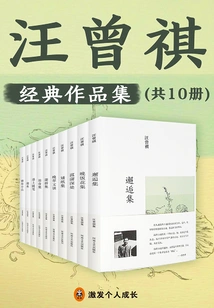
Collection of Wang Zengqi's Classic Works (10 Volumes in Total)
by Wang Zengqi
About This Novel
This re-edited edition is based on Mr. Wang Zengqi's self-edited collection, focusing on systematicity and its own edition value, while retaining the systematicity and interest of the collection itself. The set includes novel collections: "The Depths of Wild Wild Pus", "Dwarf Paper Collection", "Supper Flowers Collection" and "Encounter Collection"; prose collections: "Essays on the Tower", "Puqiao Collection", "Passing Water", "Wan Cui Wen Tan", "Travel Food Collection" and "Sitting Alone Sketch". Wang Zengqi, like Shen Congwen, is the kind of writer who cultivates writers. He is the only master-level Chinese novelist who achieved artistic perfection in his own original form in the second half of the twentieth century. His achievements are no less than that of Borges, who is talked about by the Chinese people. His contribution to the vernacular is unique, and his writing is clean and expressive. His novels are "certainly one of the few major achievements in modern Chinese novels that are proud of the world."
Official Sources
What Readers Think
Rating
Community(0)
Official(3)Scraped 2mo ago
This book is not bad
Check in
Well, the Chinese teacher admires him very much and has read his articles before. His articles seem to be about things in daily life, but they also contain a lot of truth.
This collection of Wang Zengqi's works collects many of Wang Zengqi's works. Overall, it is a very good book. I learned a lot about Wang Zengqi while reading this book, and the words written by Wang Zengqi also taught many different principles.
Rating
Community(0)
Official(3)Scraped 2mo ago
This book is not bad
Check in
Well, the Chinese teacher admires him very much and has read his articles before. His articles seem to be about things in daily life, but they also contain a lot of truth.
This collection of Wang Zengqi's works collects many of Wang Zengqi's works. Overall, it is a very good book. I learned a lot about Wang Zengqi while reading this book, and the words written by Wang Zengqi also taught many different principles.