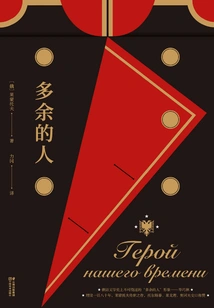
Redundant People
by I
About This Novel
When people who crave meaning suddenly face a meaningless world, they first show two mentalities. Resigned to meaninglessness: decadence. Impassioned resistance to futility: tragic. There is also a third state of mind: boredom. In the 19th century, the Russian aristocratic elite intellectuals had manors and serfs at home. They lived a comfortable life and were well educated. Under the high-pressure rule, social consciousness was first enlightened. They were full of enthusiasm, dissatisfied with reality, and eager to make a difference. However, they repeatedly encountered obstacles and were unable to change the class status quo, and became painful, depressed, cynical, and contemptuous of all moral norms in life. This boredom of unwillingness to accept and resist is reflected in Russian literature, which is the emergence of a series of "superfluous people" images. Always looking for meaning, but never getting it. They are not heinous and evil people, they are even honest and upright people. Any efforts you make will bring harm to others. In the end, his soul was gradually corroded by this unfathomable loss, and he became even more zombie-like. But this mentality of hating life and admiring death seems to be very close to the current "little mourning". There are such "superfluous people" in every era. Because they can't find the meaning of life, they feel that they are excluded by the era and are a dispensable person. Following Pushkin's Onegin and Lermontov's Pycholin, they are an unavoidable image of a "superfluous man" that condenses the spirit of an entire era in Russia. Lermontov's "The Superfluous Man" is the beginning of Russian social psychological novels. It is a travelogue, a diary, a love adventure and a confession.
Official Sources
What Readers Think
Rating
Community(0)
Rating
Community(0)