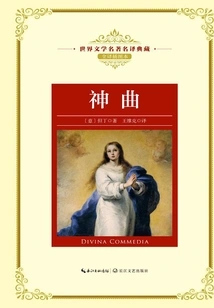
About This Novel
"The Divine Comedy" is a long epic poem. Each part of the trilogy has thirty-three cantos, plus the first canto as the overture to the whole book, for a total of one hundred cantos. This symmetrical structure is based on medieval concepts of the mysterious meaning and symbolism of numbers. From a moral point of view, this fictional magical journey is the learning process of the soul. Virgil symbolizes reason and philosophy. She guides Dante to travel to hell and the pure world, symbolizing that people understand the consequences of sin through reason and philosophy, and thus repent; Beatrice symbolizes faith and theology. She guides Dante to travel to heaven and finally see God. It symbolizes that people understand eternal truth through the path of faith and the enlightenment of theology, achieve the ultimate goal, and obtain the happiness of eternal life in the next life. Dante uses the personal soul's learning process as an example to inspire people to reflect on their own thoughts and actions and pay close attention to the dark social reality, so as to promote the early realization of Italy's hope for political and moral revival. Around this central idea, "The Divine Comedy" extensively reflects reality, gives an artistic summary of medieval culture, and at the same time shows the dawn of humanistic thought in the Renaissance era. Therefore, Engels called him "the last poet of the Middle Ages and the first poet of the new era."
Official Sources
What Readers Think
Rating
Community(0)
Rating
Community(0)