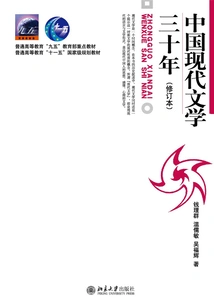
Thirty Years of Modern Chinese Literature (revised Edition)
by Qian Liqun
About This Novel
Although "Thirty Years of Modern Chinese Literature" is also classified according to genres, it focuses on highlighting the nature and trends of various genres and the characteristics of different schools. It also provides special chapters on the works of certain writers who represent the peak of art, and each chapter also appends a chronology. The revised version of "Thirty Years of Modern Chinese Literature" written by Qian Liqun and three other scholars has been listed as a key textbook for general higher education by the Ministry of Education during the "Ninth Five-Year Plan". This nearly 600,000-word work on the history of modern literature not only pays attention to absorbing the results of previous research on writers, works, and styles, but also overcomes the narrative mode and narrow pattern of previous literary history, broadens the research field, and forms a unique feature with strong academic taste under the proposition of "literary modernization." First of all, in terms of structural layout, the book is divided into three parts according to the historical period from 1917 to 1949, but only briefly explains the social and political situation in each period, focusing on explaining the important literary trends and phenomena in each stage, and analyzing the laws and characteristics of literature itself from the process of literary evolution and historical connections. In its reviews of important writers, the book strives to avoid listing the writers' lives and lengthy retellings of the plots of their works. Instead, it emphasizes the artistic achievements and aesthetic values of the works, and pays special attention to analyzing the reasons for the long-lasting impact of the works. For example, in the second chapter of Lu Xun (1), when commenting on the structural patterns and profound implications of Lu Xun's novels, the section "Indescribable Lu Xun" is specially marked, which synthesizes recent academic discussions on the anthropological connotation of "Ah Q spirit". The book also lists Shen Congwen as a special chapter, expressing sympathy and understanding for this cultural figure who built the "Western Hunan World" and "played the role of critic of modern Chinese culture." These are things that were not available or omitted in previous literary history works. Regarding literary schools, the book not only emphasizes mainstream literature, but also takes care of literary schools with different tastes such as Beijing School, Shanghai School, New Sensation School, and Avant-Garde School from the perspective of region and cultural environment, striving to restore the colorful and luxuriant original appearance of modern literature.
Official Sources
What Readers Think
Rating
Community(0)
Rating
Community(0)