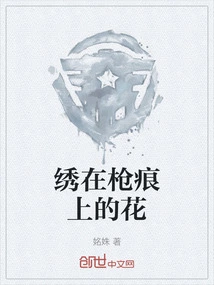
Flowers Embroidered on Gun Marks
by Shu Shu
About This Novel
Introduction to the work "River Sound Rusty Embroidery" --Han Jiang remembers every stitch of bloody embroidery Background of the times From 1937 to 1945, the Japanese army marched southward, and Xiangyang, an important town in northern Hubei, became a tug-of-war battlefield. Under the leadership of Tao Zhu, Li Xiannian and others, the Hubei Party organization of the Communist Party of China, with the Han River as its bloodline, rebuilt the underground network amidst the Japanese blockade and established the Xiangxi Anti-Japanese Base Area. Core narrative This is a "micro epic of the Anti-Japanese War". Through the intertwining fate of five groups of portraits, it reveals the hidden threads that have been ignored by the grand history: 1. Intellectuals: Cheng Yu, who returned from studying in Japan, used chemicals to write information, and Zhou Muyun, the son of a wealthy businessman, went from despising each other to trusting each other in life and death; 2. Women from the lower class: Aju, a deaf-mute peasant woman, learned about the movements of Japanese troops by reading lips, and Baili, a female student, forged hairpins into weapons; 3. Local power: Blacksmith Zhao Dachui used urinals to make landmines, and his daughter Zhao Xiaoman inherited her father's business and became a blasting expert; 4. Target of the united war: Ye Qinglan, the daughter of a landlord, opened a granary privately to aid the Communist Party. After being expelled from the family, she led a night attack on the Japanese labor camp; 5. Within the Japanese Army: Tamura, a member of the Anti-War Alliance, sang "Jasmine" before being shot by his compatriots for secretly releasing Chinese prisoners of war. Literary qualities ? Historical authenticity: Strictly refer to the "History of the Anti-Japanese Base Area in Northern Hubei" and "Xiangyang Military Chronicle". Major events such as the Gonganzhai battle (killing the Japanese prince), Tangchi training class, etc. Can be examined; ? Surreal imagery: Use metaphors such as "blood-soaked tea soup" and "rusty gun barrels embroidered with red thread" to show the etching of human nature by war; ...
Official Sources
What Readers Think
Rating
Community(0)
Rating
Community(0)
You Might Also Like
Dragon Tooth Soldier King
Seventh Grade
King of Aces and Soldiers
Coyote
My Empire
Dragon Spirit Knight
Reborn Female General
Qianshan Tea Guest
The Peerless God of War in the City
Boiled Raccoon In Warm Wine
The Strongest Arms Dealer
Elegy Of Country
Doomsday Final War
Like Water
Beginning with Zheng Yaoxian and Become Sworn Friends
Still Fireworks
My Sword-fighting Career
Jack
Heavens, the Bad Guy Who Started with the Sword
Pacific Passenger