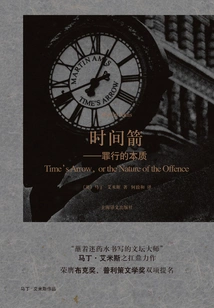
Time's Arrow: the Nature of Crime (Martin Amis)
About This Novel
Martin Amis's masterpiece, "a literary master dipped in enchantment," was nominated for both the Booker Prize and the Pulitzer Prize. The ugly crimes of Nazi war criminals in World War II are reproduced in flashbacks: concentration camps, Jewish ghettos, human experiments... Every detail described is shocking, and every word is filled with anger! "Time's Arrow: The Nature of the Crime" tells the life of Nazi war criminal Todd Friendly in flashback. He "rewinds" his life from the moment he is about to die, to his seemingly respectable life as a doctor in his later years, to the heinous crimes he committed in Auschwitz as a youth, to his birth, marriage, adolescence, and finally his return to his mother's womb and his impending death. He followed the entire world in rewind, "eating" in the toilet, waiting for letters to be "born" from the flames, injuring people turned into healing wounds, shooting civilians turned into saving lives, burning corpses turned into returning souls, dismembering living bodies turned into regenerating people... This book once again reveals to us that extremely cruel and shocking dark history in a seemingly humorous way, and completely subverts the reading experience of readers. Among the works describing the Nazis, "Time's Arrow: The Nature of Crime" opens up astonishing and profound insights for us.
What Readers Think
Rating
Community(0)
Official(1)Scraped 10d ago
A very shocking and special work that reverses the direction of the arrow of time and reshapes a period of inhumane history, but from a completely different perspective, turning massacre into healing, killing Jews into creating Jews. The strong contrast creates a strong psychological impact.
Rating
Community(0)
Official(1)Scraped 10d ago
A very shocking and special work that reverses the direction of the arrow of time and reshapes a period of inhumane history, but from a completely different perspective, turning massacre into healing, killing Jews into creating Jews. The strong contrast creates a strong psychological impact.
