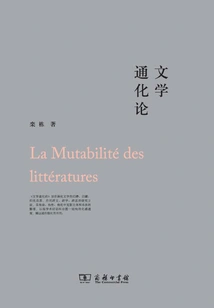
Generalization Theory of Literature
by Luan Dong
About This Novel
From the perspective of the transformation of literary principles, this book shows that the generalization of literature is a response to an ideological and cultural challenge that is rare in ancient times. How to inherit and update China's literary theory tradition? How to integrate Chinese and foreign humanities scholarship, especially the postmodern ideological resources that have been forged in the West for the past century? How to get out of the situation where comparative research on romance and analogies is incomplete? The search for universalization in literature is an in-depth attempt to resolve these problems. As a creative design of Chinese literary thought, this book aims to understand the creation of literature, apply literary theory to the world, reorganize aesthetic time and space, and create a unique academic perspective. This manuscript has a total of eighteen chapters and the full text is approximately 270,000 words. From an academic perspective, Tonghua is the basic idea that runs through the entire text. In short, we have an in-depth and simple analysis of the foundation, authenticity, and nature of literature; we have primitive and final thinking about the past, present, and future of literature; we have creative innovations in the destiny, principles, and methods of literature; and we have an understanding of literature that is for oneself, not for oneself, and beyond oneself, in line with the Tao. "The Book of Changes" talks about Tongzhuan, Liu Xie talks about "Tongbian", Zhang Xuecheng talks about "Tongyi", and we talk about "Tonghua". The biggest difference between "Tonghua" and "Tongzhuan", "Tongbian" and "Tongyi" lies in three variables. One is the "resolution of the source" of literary right and wrong, the second is the "willingness to look at the point" of the literary realm, and the third is the "openness of the whole body" of the literary spirit. The "tonghua" of literature expounds the epoch-making proposition that "literature is not literature" and reveals the new literary principle of allelopathic transmutation.
Official Sources
What Readers Think
Rating
Community(0)
Rating
Community(0)