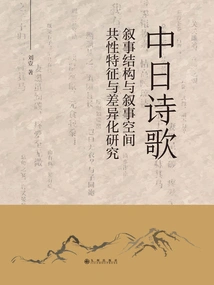
Research on the Common Characteristics and Differences of Narrative Structure and Narrative Space in Chinese and Japanese Poetry
by Liu Yi
About This Novel
This book is an academic monograph. This book aims to explore the narrative structure and narrative space characteristics of Chinese and Japanese classical poetry, and comparatively analyze the commonalities and differences in the poetic traditions of the two countries. The book is divided into six chapters. The first chapter provides an overview of Chinese classical poetry and Japanese classical poetry, and introduces typical representatives of Chinese and Japanese classical poetry. Chapter 2 explores the correlation between poetry and narrative, explains the concept of narrative, and discusses the origin and development of Chinese and Japanese poetic narrative. The third chapter takes the Book of Songs as an example to analyze its narrative structure and narrative space, including agricultural poems, sacrificial poems, war poems, banquet poems, marriage and love poems, etc. The fourth chapter focuses on "Man'yoshu" and conducts an in-depth analysis of its narrative structure and narrative space. Chapter 5 compares the common features of narrative structure and narrative space in the Book of Songs and the Manyoshu, explores the reasons for the common features in the two works, and elaborates on their common features from two aspects: narrative structure and narrative space. Chapter 6 focuses on the differences in narrative structure and narrative space between the Book of Songs and the Manyoshu, analyzes the reasons for the differences, and compares the differences between the two works from the aspects of narrative structure and narrative space. Through an in-depth study of the narrative structure and narrative space of Chinese and Japanese classical poetry, this book reveals the cultural connotation of the poetry of the two countries, provides a new perspective for Sino-Japanese cultural exchanges, and aims to promote mutual learning and integration of the two countries' cultures.
Official Sources
What Readers Think
Rating
Community(0)
Rating
Community(0)
