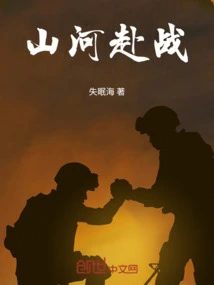
Mountains and Rivers Go to War
by Insomnia Sea
About This Novel
In 1937, the Jizhong Plain and the Shanxi-Chahar-Hebei Mountains formed the core hinterland of the North China Anti-Japanese War. The Japanese army implemented the "cage policy", building artillery towers, digging blockade ditches, and burning villages and butchers in an attempt to strangle the anti-Japanese armed forces behind enemy lines. Lu Zheng, the commander of the independent battalion of the Eighth Route Army's Jizhong Military Region, fought his way out of the bloody sea of corpses at the Great Wall and led a grassroots team of iron-blooded soldiers to tear through the Japanese blockade using plain guerrilla warfare, tunnel warfare, and raid warfare; Wen Zhiyu, an underground party commissioner who returned from overseas and a liaison staff officer of the New Fourth Army stationed in Jizhong, abandoned his pen and joined the army to lurk behind enemy lines. Using intelligence as his gun and transportation as his veins, he built a life-and-death communication line connecting Shanxi-Chahar-Hebei, Jizhong and Yan'an. The two met in life and death due to important tasks such as escorting Yan'an cadres, preparing to build an arsenal behind enemy lines, and countering the "May Day raids." From the collision of ideas to the sincere sympathy, they became the most tacit comrades and comrades-in-arms on the battlefield behind enemy lines. The book is based on the key points of the Anti-Japanese War in North China from 1937 to 1943, unfolding the legend of tunnel warfare, secret battles on underground transportation lines, life-and-death breakthroughs in arsenals, bloody counter-sweeping operations, escorting international medical teams, and hoeing The eight main storylines of traitorous special forces and the symbiosis of the army and the people to protect the soil are interspersed with the stories of more than a hundred group portraits such as former civilians, patriotic squires, surrendered puppet soldiers, field medical staff, and young soldiers, etc., To restore the cruelty and sincerity of the battlefield behind enemy lines during the Anti-Japanese War. Lu Zheng defended the territory with iron and blood and blocked the hail of bullets for Wen Zhiyu; Wen Zhiyu escorted him with wisdom, healed the wounds of the battlefield and pointed out the direction of struggle for Lu Zheng. The two walked side by side through six years of war, guarded villages, protected grain and fodder, built military forts, and rescued people.
Official Sources
What Readers Think
Rating
Community(0)
Rating
Community(0)
You Might Also Like
Dragon Tooth Soldier King
Seventh Grade
King of Aces and Soldiers
Coyote
My Empire
Dragon Spirit Knight

Reborn Female General
Qianshan Tea Guest

The Peerless God of War in the City
Boiled Raccoon In Warm Wine
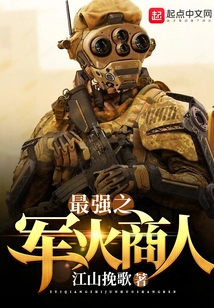
The Strongest Arms Dealer
Elegy Of Country
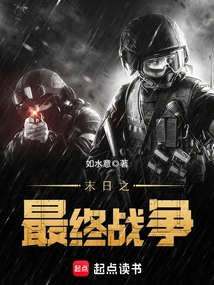
Doomsday Final War
Like Water
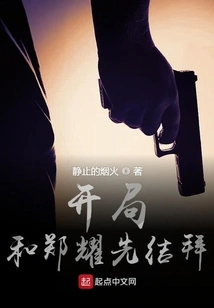
Beginning with Zheng Yaoxian and Become Sworn Friends
Still Fireworks
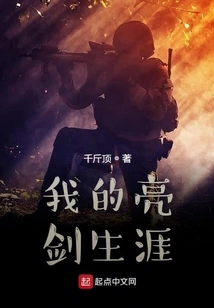
My Sword-fighting Career
Jack
Entertainment Starting from Operation Red Sea
Error Cannot Be Used