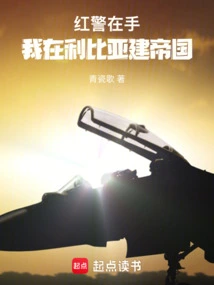
Red Alert in Hand: I Am Building an Empire in Libya
by Celadon Song
About This Novel
1961. A modern man, carrying the [Red Alert System], traveled into the North African desert-- He became a young man who had just been dropped out of military school and his future was ruined (you must know which colonel he is). At this time, Libya was poor, divided, and coveted by foreign powers. The future world will be torn apart by oil, war and the Cold War. Start from scratch, build an army, control oil, integrate tribes, and rewrite the government. The moment the Red Alert Base was activated for the first time in the desert-- This world can never go back. Please pay attention to: slow heat, farming, strategic flow. Readers who want to see millions of Apocalypse push at the beginning should take a detour, here is only a step-by-step road to the foundation of the empire.
Official Sources
What Readers Think
Rating
Community(0)
Official(3)Scraped 1mo ago
There's so much nonsense, some words don't need to exist at all.
After reading Chapter 28, I can't understand what the writing means. It keeps going in circles and doesn't farm. It looks like a running account and has no meaning. It's better to get some things to sell, get some initial capital, and then use red police officers as the backbone to attract people.
Gaddafi is so ugly!
Why choose a real person? Too ugly
Rating
Community(0)
Official(3)Scraped 1mo ago
There's so much nonsense, some words don't need to exist at all.
After reading Chapter 28, I can't understand what the writing means. It keeps going in circles and doesn't farm. It looks like a running account and has no meaning. It's better to get some things to sell, get some initial capital, and then use red police officers as the backbone to attract people.
Gaddafi is so ugly!
Why choose a real person? Too ugly
Featured in 18 Booklists
Official(18)
The moment the red police base vehicle unfolded in the windy sand of the Sahara, the gears of history were completely crushed by a modern soul. The most exquisite setting of this novel is that it blends the cold data of real-time strategy with the hot flesh and blood of North Africa. The "big scene" described by the author is not a simple torrent of tanks, but an epic picture of a military empire being uprooted from scratch in the depths of the desert. The roar of each building falling to the ground seemed to shatter the colonists' old dreams. What's even more rare is that between the steel and the smoke, you can see the confusion in the eyes of a boy who was dropped out of school, the trembling knees of the tribal elders in front of the modern military camp, and the ordinary people who were trapped but still stubbornly alive in the torrent of war. This gaze on life makes the rise of an empire no longer just a series of cold upgrade numbers.
Historical seedlings, high-quality potential. The most successful part of this novel is that it truly "plants" the game IP of "Red Alert" into the soil of history. In 1961, Libya was surrounded by great powers and divided tribes. The protagonist appeared like a stone thrown into still water. The author's control of war scenes is extremely tense, from desert ambush battles to urban street battles, from information warfare to psychological warfare, each confrontation takes into account both strategic logic and visual spectacle. For book friends who like war literature, this book will definitely not disappoint you. It is currently being steadily updated, so keep it in your collection and read it slowly.



Out-of-the-circle index: 88 From "nothing" to "fear of the great powers". In 1961, Libya was poor, divided, and coveted by major powers. It was a piece of fat that anyone could take a bite of. The only bargaining chip in the protagonist's hand is the newly activated red alert base. The author did not give him any extra preferential treatment. Every step - building an army, controlling oil, integrating tribes - was accompanied by the flash of swords. But it is this difficulty of "going from zero to one" that makes every upgrade and every tank off the production line so precious. When you watch the protagonist grow from a loser who was dropped out of school to a being that attracts the attention of the great powers step by step, the feeling of satisfaction is crushing.
This is a truly "ambitious" work. Its ambition is not to let the protagonist unify North Africa and conquer the world, but to try to answer an ultimate question: When a modern man has mastered a power that transcends the times, how should he use it? The author uses an extremely solid writing style to simultaneously describe each expansion of the red alert system as an "operation" on the local social structure, which is both sharp and cautiously gentle. But the most touching thing is always the protagonist's "entanglement" with this land. He changes it and is changed by it; he uses the system and often questions the system. This kind of self-reflection in the face of absolute power makes this novel more readable. It is a hearty read and has a long aftertaste. It is recommended to support newcomers.


You Might Also Like
Dragon Tooth Soldier King
Seventh Grade
King of Aces and Soldiers
Coyote

My Empire
Dragon Spirit Knight

Reborn Female General
Qianshan Tea Guest

The Peerless God of War in the City
Boiled Raccoon In Warm Wine
The Strongest Arms Dealer
Elegy Of Country
Doomsday Final War
Like Water

Beginning with Zheng Yaoxian and Become Sworn Friends
Still Fireworks
My Sword-fighting Career
Jack

Entertainment Starting from Operation Red Sea
Error Cannot Be Used