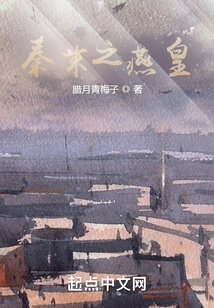
Emperor Yan of the Late Qin Dynasty
by Green Plums Of The Twelfth Lunar Month
About This Novel
At the end of the year of the First Emperor, a star fell from the sky. This rare event happened to meet an even rarer person. Someone carved seven large Qin seal characters on the fallen star: "The First Emperor died and the earth was divided." In just seven words, he cursed the king who had made the most achievements in the past three generations and was about to die, and also cursed the king who had made the most achievements and was about to collapse and fail. When the news came out, it immediately caused a sensation. In the commotion, Yan Nanfei fell with the falling star. Before he could open his eyes, he found that he had become the engraver and was arrested and imprisoned. Before Yan Nanfei could figure out the situation or even completely wake up, a thought came to his mind, and that was: "Stay alive."
Official Sources
What Readers Think
Rating
Community(0)
Official(4)Scraped 28d ago
Pre-Qin naming rules
Let's first talk about the issue of nobleness and inferiority of names in the pre-Qin period. People generally believe that in ancient times, single names were noble and double names were inferior. This understanding cannot be said to be wrong, but it cannot be said to be completely correct either. People who have read history books can easily feel that the ancients liked to use single characters when naming names, such as Ying Zheng, Xiang Ji, Liu Ji, Liu Bei, Cao Cao, etc., And single characters were valued. If you have a deeper understanding of history, you will know that it was the famous figure Wang Mang who popularized the idea that a single character is valuable. Speaking of this, some students may want to ask, Wang Mang was a figure between the two Han Dynasties, how did he influence people in the pre-Qin period? Therefore, with a more in-depth understanding, you will know that the concept of a single word being valuable comes from Confucianism, which is mentioned in the book "Li". The book "Gongyang Zhuan" clearly states that "ridiculing two names is disrespectful." Wang Mang, at first glance, looked like a time traveler, but upon closer inspection, he turned out to be a retrotist who studied hard and was a fanatical Confucian believer. Therefore, after Wang Mang became emperor, he ordered that there should be no two in the country. This is the reason why everyone had a single name during the Eastern Han Dynasty. So as you can see, most of the famous figures in the Eastern Han Dynasty and the Three Kingdoms period have a single name, but there are exceptions, such as Liu Bei and his uncle Liu Yuanqi, Ma Yuanyi, the man who broke out the Yellow Turban Uprising, Zhang Shiping, the wealthy businessman who funded Liu Bei, the famous Lingling General Xing Daorong, etc. In the pre-Qin period, most people who were influenced by the Zhou Dynasty and Confucianism were given a single name. Those who were not affected by it could be named casually, and even those who were influenced by Confucianism could be named casually. Take famous figures as an example. The great sage Guan Yiwu was called Yiwu, with the courtesy name Zhong, and Bao Shuya was called Shuya. This is a double name. Among the five hegemons of the Spring and Autumn Period, three and a half of them had double names, including Duke Huan of Qi Jiang Xiaobai, Duke Wen of Jin Ji Chong'er, King Wu Ji Helu (who could also be called Ji Guang), King Yue Goujian, and so on. Of course, there are also more casual names, such as Zheng Zhuang Gongji Weisheng, Jin Chenggong Ji Heijie, Zhou Dinggong Ji Heijian, Qi Huan Gong Jiang Xiaobai, Zhou Ping Wangji Yijiu (a good stone for pounding rice). Therefore, naming in the Pre-Qin Dynasty was far more random than in the Han Dynasty, and there were many weird names. In particular, the Qin Dynasty, as a dynasty that rejected Confucianism, did not respect single names in naming. For example, Qin Shihuang's father is Ying Yiren, Qin Shihuang's younger brother is Ying Chengyu, and Ying Ziying (according to age calculations, Qin Shihuang's son Ying cannot be Qin Shihuang's son, let alone his grandson). Even more famous, Qin Shihuang's eldest son was named Ying Fusu, and his beloved son Qin II was named Ying Hu Hai. Finally, according to the statistics of some experts, more than 60% of the people named in the history books of the Pre-Qin period had single names, and about 30% had double names. Therefore, in the Pre-Qin period, when it came to naming people, you could just name them whatever you liked. Although the names of pre-Qin characters are weird, there are still rules to follow. According to historical records, noble names generally follow five rules, namely trust, righteousness, image, falseness and class. Specifically, it is to take the birth of name as faith, to take virtue and destiny as righteousness, to take type and fate as image, to take things as false, and to take father as kind. The first is a letter. That is to say, the child is named after certain characteristics at birth, such as Ji Hei's buttocks and Ji Huansheng. The second type is righteousness, which means blessing, such as King Xuan of Qi Tian Bijiang. The third type is Xiang, which is named after things that have similar characteristics to the child, such as Confucius and Li Er. The fourth type is false, which means borrowing the names of things to name them, such as chickens, dolphins, dogs, pheasants, etc. The fifth type is class, which is to give a name similar to the father. In addition to these five rules, as a king, because of taboos, you cannot name names after common things such as mountain names, official names, currencies, etc., So as not to cause chaos in the country. Most of the common names among nobles and common people were named by their brothers and uncles. Except for the questionable character Ji, for others, if you see the character Bo, you must be the eldest child in the family; if you see the character Zhong, you must be the second child; if you see the character Shu, you must be the third child; if you see the character Ji, you must analyze the specific situation, and you can't be sure whether it is the third, fourth, or youngest.
The power of Qin
If you had read the information about the Qin State, you would not write like this. The Qin State at that time was still extremely powerful, the Qin army was still a tiger and wolf army, and the famous generals and ministers of the Qin State were still there. Qin Shihuang was still alive and dared to rebel? Hang yourself, old man.
I like the book written by the author, it's a pity for Dong Di
But is his name wrong?
The protagonist's surname shouldn't be Yan, shouldn't his surname be Ji?
Rating
Community(0)
Official(4)Scraped 28d ago
Pre-Qin naming rules
Let's first talk about the issue of nobleness and inferiority of names in the pre-Qin period. People generally believe that in ancient times, single names were noble and double names were inferior. This understanding cannot be said to be wrong, but it cannot be said to be completely correct either. People who have read history books can easily feel that the ancients liked to use single characters when naming names, such as Ying Zheng, Xiang Ji, Liu Ji, Liu Bei, Cao Cao, etc., And single characters were valued. If you have a deeper understanding of history, you will know that it was the famous figure Wang Mang who popularized the idea that a single character is valuable. Speaking of this, some students may want to ask, Wang Mang was a figure between the two Han Dynasties, how did he influence people in the pre-Qin period? Therefore, with a more in-depth understanding, you will know that the concept of a single word being valuable comes from Confucianism, which is mentioned in the book "Li". The book "Gongyang Zhuan" clearly states that "ridiculing two names is disrespectful." Wang Mang, at first glance, looked like a time traveler, but upon closer inspection, he turned out to be a retrotist who studied hard and was a fanatical Confucian believer. Therefore, after Wang Mang became emperor, he ordered that there should be no two in the country. This is the reason why everyone had a single name during the Eastern Han Dynasty. So as you can see, most of the famous figures in the Eastern Han Dynasty and the Three Kingdoms period have a single name, but there are exceptions, such as Liu Bei and his uncle Liu Yuanqi, Ma Yuanyi, the man who broke out the Yellow Turban Uprising, Zhang Shiping, the wealthy businessman who funded Liu Bei, the famous Lingling General Xing Daorong, etc. In the pre-Qin period, most people who were influenced by the Zhou Dynasty and Confucianism were given a single name. Those who were not affected by it could be named casually, and even those who were influenced by Confucianism could be named casually. Take famous figures as an example. The great sage Guan Yiwu was called Yiwu, with the courtesy name Zhong, and Bao Shuya was called Shuya. This is a double name. Among the five hegemons of the Spring and Autumn Period, three and a half of them had double names, including Duke Huan of Qi Jiang Xiaobai, Duke Wen of Jin Ji Chong'er, King Wu Ji Helu (who could also be called Ji Guang), King Yue Goujian, and so on. Of course, there are also more casual names, such as Zheng Zhuang Gongji Weisheng, Jin Chenggong Ji Heijie, Zhou Dinggong Ji Heijian, Qi Huan Gong Jiang Xiaobai, Zhou Ping Wangji Yijiu (a good stone for pounding rice). Therefore, naming in the Pre-Qin Dynasty was far more random than in the Han Dynasty, and there were many weird names. In particular, the Qin Dynasty, as a dynasty that rejected Confucianism, did not respect single names in naming. For example, Qin Shihuang's father is Ying Yiren, Qin Shihuang's younger brother is Ying Chengyu, and Ying Ziying (according to age calculations, Qin Shihuang's son Ying cannot be Qin Shihuang's son, let alone his grandson). Even more famous, Qin Shihuang's eldest son was named Ying Fusu, and his beloved son Qin II was named Ying Hu Hai. Finally, according to the statistics of some experts, more than 60% of the people named in the history books of the Pre-Qin period had single names, and about 30% had double names. Therefore, in the Pre-Qin period, when it came to naming people, you could just name them whatever you liked. Although the names of pre-Qin characters are weird, there are still rules to follow. According to historical records, noble names generally follow five rules, namely trust, righteousness, image, falseness and class. Specifically, it is to take the birth of name as faith, to take virtue and destiny as righteousness, to take type and fate as image, to take things as false, and to take father as kind. The first is a letter. That is to say, the child is named after certain characteristics at birth, such as Ji Hei's buttocks and Ji Huansheng. The second type is righteousness, which means blessing, such as King Xuan of Qi Tian Bijiang. The third type is Xiang, which is named after things that have similar characteristics to the child, such as Confucius and Li Er. The fourth type is false, which means borrowing the names of things to name them, such as chickens, dolphins, dogs, pheasants, etc. The fifth type is class, which is to give a name similar to the father. In addition to these five rules, as a king, because of taboos, you cannot name names after common things such as mountain names, official names, currencies, etc., So as not to cause chaos in the country. Most of the common names among nobles and common people were named by their brothers and uncles. Except for the questionable character Ji, for others, if you see the character Bo, you must be the eldest child in the family; if you see the character Zhong, you must be the second child; if you see the character Shu, you must be the third child; if you see the character Ji, you must analyze the specific situation, and you can't be sure whether it is the third, fourth, or youngest.
The power of Qin
If you had read the information about the Qin State, you would not write like this. The Qin State at that time was still extremely powerful, the Qin army was still a tiger and wolf army, and the famous generals and ministers of the Qin State were still there. Qin Shihuang was still alive and dared to rebel? Hang yourself, old man.
I like the book written by the author, it's a pity for Dong Di
But is his name wrong?
The protagonist's surname shouldn't be Yan, shouldn't his surname be Ji?
Featured in 1 Booklist


You Might Also Like
Zhao Was King During the Warring States Period
Ximengfu
Great Sima of the Warring States Period
Chief Disciple Of The Jian Sect
Reborn Female General
Qianshan Tea Guest
The Story of Yuan Yao in the Three Kingdoms
Jack Love
Han Dao Tianxia
Zhuang Buzhou
King of Ross
Ivan The Terrible
War Palace and Knee Pillow, Austria's Destiny
Seven Years Period
Ni Sui
Lao Mao
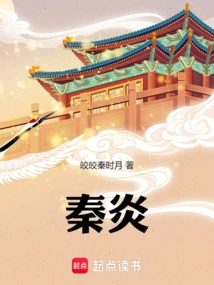
Qin Yan
Bright Qin Shiyue
Ten Kingdoms, Land, Mountains, Wind and Moon
Confused Little Lamb