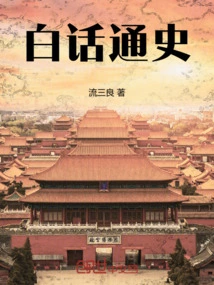
Vernacular General History
by Liu Sanliang
About This Novel
The rise and fall of dynasties in China began with Xia Yu's establishment of the Ding Dynasty and ended with Puyi's abdication, a long period of four thousand years. During this long period of time, countless historians and scholars worked hard and left behind a vast ocean of historical documents. However, most of these historical materials are written in classical Chinese or even older writing systems. It is still difficult for experts in the field of history to interpret, let alone ordinary people. Just like the "Twenty-Four Histories", a magnificent classic with more than 40 million words in total, it would take decades for even professional scholars to read it through. Ordinary people are often intimidated by its diction. They have no enthusiasm for exploring history, but find it difficult to find a way to get started. I have always firmly believed that history should not be cold words sealed in ancient books, nor should it be the exclusive knowledge of a few people. Those wise choices in the rise and fall of dynasties, the brilliance of humanity in the ups and downs of troubled times, and the accumulation of civilization in peaceful and prosperous times are all worthy of being seen, understood, and remembered by more people. Based on this, I consulted ancient books, and after careful comparison, collation, summary, and interpretation, I finally strung together these four thousand years of history in vernacular and presented it to readers. I hope that when readers open this book, they can break away from the shackles of classical Chinese, follow the context of the text, touch the most authentic temperature of history, understand the inheritance and resilience of Chinese civilization in the magnificent picture of dynasty changes, and absorb the power to nourish the present from the wisdom of the words and deeds of the ancients. If there are any omissions in the writing, readers are kindly requested to correct them. May we encounter a deeper civilization and gain richer insights in the long river of history.
Official Sources
What Readers Think
Rating
Community(0)
Rating
Community(0)
You Might Also Like
Excellent One-on-one
Stone Octopus
Happy Little Landowner
Muzi Blue
Ming Dynasty Craftsman
Antarctica
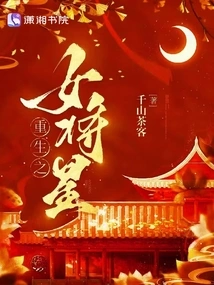
Reborn Female General
Qianshan Tea Guest
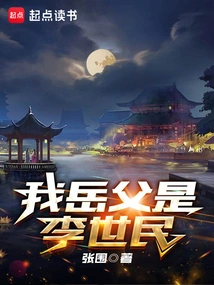
My Father-in-law is Li Shimin
Zhangwei
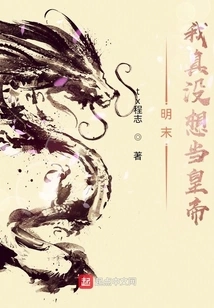
I Really Didn't Want to Be the Emperor at the End of the Ming Dynasty
Tx Cheng Zhi
Where Can a Golden House Hide a Beauty?
Nana
The Best Servant
Yuyan
Wanhuhou of the Tang Dynasty
Gao Yue
Chemical Datang
Yin Yang