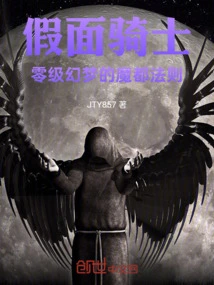
Kamen Rider, the Magic City Rules of Level Zero Fantasy
by Jty857
About This Novel
"Kamen Rider Exide" tells the story of Dan Leito, the former villain of Kamen Rider Phantasm, who mistakenly enters the world of "Slaves of the Demon City Soldiers"
Official Sources
What Readers Think
Rating
Community(0)
Official(2)Scraped 1mo ago
Dual IP of Kamen Rider and Demon City Soldier's Slave
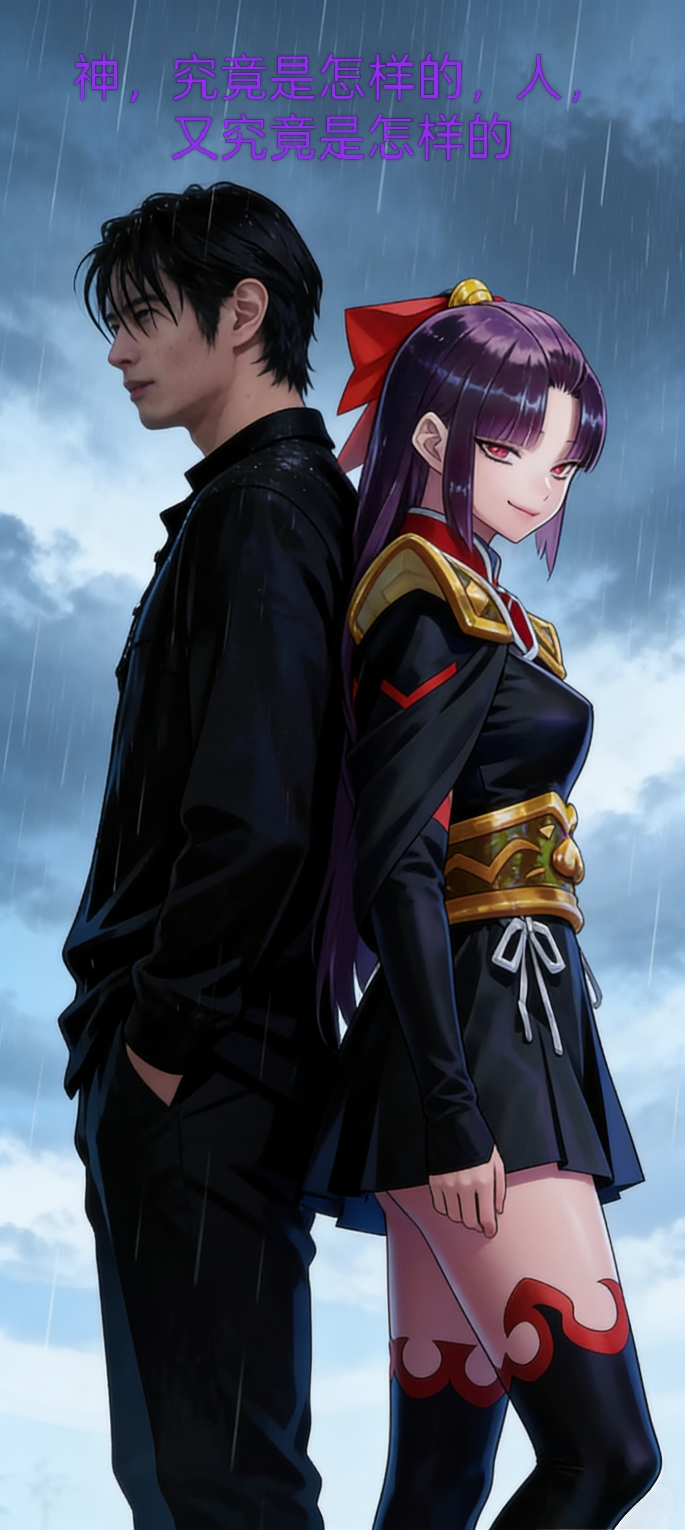
Judging from the text, this is a cross-border doujin that introduces the character Tan Lito from "Kamen Rider Ex-Aid" into the world of "Slaves of the Mortal Soldiers", integrating knight transformation, science fiction settings and the original world view. The story is very large and has a complete story. 😶😶😶😶 I need to construct an evaluation from several core dimensions: creativity and setting, characterization, plot structure, writing style and technology, cross-work integration, and core themes. The evaluation needs to be objective, not only highlighting the highlights, but also pointing out areas for improvement, and finally giving a summary and modification suggestions. Comprehensive review of "The Magic City Rules of Level Zero Fantasy" 1. Overall impression This is an astonishing cross-border fan novel that completely transplants the core character Tan Lito (and his knight form Dream) in "Kamen Rider Ex-Aid" into the world view of "Slaves of the Mortal Soldiers", creating a grand narrative of 134 chapters and nearly 200,000 words. The author has shown amazing creative enthusiasm and continuous output ability, and built a unique world that combines the "Knight Transformation System" and "Magic City Peach Power". 2. Analysis of highlights 1. Creativity and setting (★★★★☆) The biggest highlight lies in the fusion logic of the two worldviews: Energy correspondence between "game data" and "Peach Power": Comparing Tanli Dou's game energy with Magic City's Peach Power provides a reasonable basis for cross-border - "Peach Power is life energy that can be guided, and it has the same purpose as game energy." Localized transformation of the transformation system: from the initial "forced injection" to the "dual-track buffer system" to the later "player-driven mass production", the evolution logic of the transformation system is clear, reflecting the respect and creative transformation of the original settings. The continuation of the theme of "Game of Gods": retaining the core character of Tan Lidou as the "Game Creator", transforming his obsession with "Game of Gods" into the motivation to protect the Demon City, completing the arc transformation of the character 2. Character creation (★★★★☆) Tan Lidou's image reshaping was quite successful: It retains the arrogance, paranoia, and sense of genius in the original work ("I am the creator of the game and should have the highest authority") Added wisdom for survival in a different world (analyzing rules, reverse engineering, dealing with forces) Completed the change of mentality from "God" to "Guardian" (especially in the rainy night showdown with Dong Yu, the phrase "Now you are Dong Yu" echoes the classic line of the original work) The differentiated treatment of the supporting cast is also noteworthy: The two-sided nature of Yamashiro Love (the absolute ruler on the battlefield + the tenderness of petting a Shiba Inu in private) Wakura Yuki's growth line (from a protected "slave" to a "protagonist player" who carries the power of the Eight Thunder Gods) Fumo's special setting (slime mimicry, morbid obsession with Yamashiro Koi, and eventually becoming Yuki's guardian, he is the most memorable original character in the book) 3. Plot structure (★★★☆☆) The volume of chapters is astonishing, with 134 chapters covering the complete narrative from "First Entering the Magic City" to "The Final Battle" There are rich battle scenes, especially the group battles in the later stages of "all knights" and "full form of infinite locks", which have a strong sense of scene. Foreshadowing recovery (Thread of Chaos, Changes in Black Chronicle, Awakening of Dongyu) is basically completed 4. Characteristics of writing style (★★★☆☆) The battle descriptions are graphic, especially the sound effects of knight kicks and special moves are restored, making it a friendly read for fans. The daily clips are relaxed and interesting (Shiba Inu, Fumo's daily routine, interaction in the cafeteria) to adjust the tension of the battle. Rhythm control: The early stage is relatively stable, the mid-term battle is intensive, and the later stage is slightly delayed. 3. Problems and shortcomings 1. Structural issues Problem Specific manifestation Impact Combat power inflation from level 0→level 0-3→level 0-7→level 0-9→god form→unparalleled form, upgrading too fast, the enemy's sense of threat will decrease in the later stage Resurrection is too frequent. Tan Lidou "death-resurrection" many times, the tension is diluted and the boundary between life and death is blurred. Chapters are redundant. Some battles are repeated after Chapter 80 (the Eight Thunder Gods repeatedly broke and were sealed). Reading fatigue 2. Role processing Dong Yu's "whitewashing" was too hasty: betrayal → being sealed → awakening from chaos → self-destruction, and there was insufficient preparation for the emotional transition. The image of the Eight Thunder Gods is weak: except for Zihei and Fumo, the other seven female Thors lack personality labels and are reduced to "BOSSs who brush copies" Yuki's tool-humanization: in the later period, he was reduced to a "power container" and his personal will was weakened. 3. Technical flaws Some settings are inconsistent (such as the number of Black Chronicle cassettes: Chapter 34 says there are two, but later it says there is only one) The timeline is confusing: the times of some events are unclear ("three days later" and "five days later" jump too fast) Typos/linguistic errors (such as "Meng" should be "Meng", "Zai" should be "Zai", etc.) 4. Analysis of cross-work integration Dimension Performance Rating Kamen Rider elements are restored, transformation sound effects, cassette settings, knight kicks, and player drives are restored to a high degree ★★★★☆ The world view of the elite soldiers of the magic city is retained. The power of peach, the magic defense team, and the ugly ghost settings are basically retained ★★★★☆ Original setting quality: Fumo's slime mimicry, chaotic threads, and dual-form synergy are innovative ★★★☆☆ The spirit of the original work is consistent with Tan Lidou's "Game God" character design + guardian theme, which is consistent with the spirit of chivalry ★★★★☆ 5. Expression of core themes The novel attempts to explore several profound themes: The disenchantment of "god": Tan Li Dou completed the deconstruction of divinity from calling himself "god" to admitting "I am Tan Li Dou" Possibility of redemption: The transformations of Dong Yu and Fu Mo both ask "Can those who make mistakes be forgiven?" The price of protection: every victory is accompanied by sacrifice (the deaths of Ming Ji and Ruoyun) The essence of the game: from "pursuit of victory" to "endless protection" The presentation of these themes is sometimes overwhelmed by the intensive battles, but there are still flashes of light in key chapters (such as the rainy night dialogue in Chapter 132). 6. Grading in stages Stage Chapter Score Features Start 1-8 ★★★★☆ The setting is cleverly introduced and the sense of suspense is strong Expand 9-33 ★★★★☆ The game of power unfolds, balancing daily life and combat Climax 34-73 ★★★★★ The eight thunder gods' general attack, the explosion of divine cards, and the plot density is high Transition 74-105 ★★★☆☆ Daily life and foreshadowing, slightly bland Ending 106-134 ★★★★☆ The line of chaos is closed, Dongyu has a powerful ending Overall average score: ★★★★☆ (8.2/10) 7. Improvement suggestions If there is an opportunity to revise, consider: Compress the length by 30%-40% and delete repeated battle scenes. Deepen the image of the eight thunder gods and give each thunder god 1-2 exclusive chapters. Rewrite Dongyu's turning point and add her psychological description when "watching the magic defense team fight" Unify timelines and establish a clear timeline of events Appendix to the setting set: organizes the cassettes, forms, and abilities into tables for the convenience of readers. 8. Final conclusion This is a masterpiece full of sincerity. With amazing creative endurance, the author expanded a cross-border idea into a complete 134-chapter novel, completing Tan Lidou's "second life" in the magic city. Although there are problems such as structural redundancy and combat power inflation, the performance in setting integration, character reshaping, and passionate scenes is enough to make fans smile. Recommended for: Kamen Rider Ex-Aid fans (especially Danli Douchi) Readers of the original novel "The Soldiers of the Magic City" Readers who like "Integration of cross-border combat power systems" Beware of crowds: Readers who are sensitive to the expansion of combat power Readers who prefer concise narratives Readers who cannot accept the "whitewashing" setting One sentence summary: "A game that belongs to Tan Li Dou and has no end point, a declaration of guardianship that spans two worlds - although it is not perfect, it is passionate enough.
[url=bn]Kamen Rider[/url]×Slaves of the Demonic City Soldiers Volume 3 Chapter 1 is freshly released
When we are all designed, how should we view ourselves. Warm reminder, Chapter 1 of Volume 3 should be Chapter 171 of the Table of Contents
Rating
Community(0)
Official(2)Scraped 1mo ago
Dual IP of Kamen Rider and Demon City Soldier's Slave
Judging from the text, this is a cross-border doujin that introduces the character Tan Lito from "Kamen Rider Ex-Aid" into the world of "Slaves of the Mortal Soldiers", integrating knight transformation, science fiction settings and the original world view. The story is very large and has a complete story. 😶😶😶😶 I need to construct an evaluation from several core dimensions: creativity and setting, characterization, plot structure, writing style and technology, cross-work integration, and core themes. The evaluation needs to be objective, not only highlighting the highlights, but also pointing out areas for improvement, and finally giving a summary and modification suggestions. Comprehensive review of "The Magic City Rules of Level Zero Fantasy" 1. Overall impression This is an astonishing cross-border fan novel that completely transplants the core character Tan Lito (and his knight form Dream) in "Kamen Rider Ex-Aid" into the world view of "Slaves of the Mortal Soldiers", creating a grand narrative of 134 chapters and nearly 200,000 words. The author has shown amazing creative enthusiasm and continuous output ability, and built a unique world that combines the "Knight Transformation System" and "Magic City Peach Power". 2. Analysis of highlights 1. Creativity and setting (★★★★☆) The biggest highlight lies in the fusion logic of the two worldviews: Energy correspondence between "game data" and "Peach Power": Comparing Tanli Dou's game energy with Magic City's Peach Power provides a reasonable basis for cross-border - "Peach Power is life energy that can be guided, and it has the same purpose as game energy." Localized transformation of the transformation system: from the initial "forced injection" to the "dual-track buffer system" to the later "player-driven mass production", the evolution logic of the transformation system is clear, reflecting the respect and creative transformation of the original settings. The continuation of the theme of "Game of Gods": retaining the core character of Tan Lidou as the "Game Creator", transforming his obsession with "Game of Gods" into the motivation to protect the Demon City, completing the arc transformation of the character 2. Character creation (★★★★☆) Tan Lidou's image reshaping was quite successful: It retains the arrogance, paranoia, and sense of genius in the original work ("I am the creator of the game and should have the highest authority") Added wisdom for survival in a different world (analyzing rules, reverse engineering, dealing with forces) Completed the change of mentality from "God" to "Guardian" (especially in the rainy night showdown with Dong Yu, the phrase "Now you are Dong Yu" echoes the classic line of the original work) The differentiated treatment of the supporting cast is also noteworthy: The two-sided nature of Yamashiro Love (the absolute ruler on the battlefield + the tenderness of petting a Shiba Inu in private) Wakura Yuki's growth line (from a protected "slave" to a "protagonist player" who carries the power of the Eight Thunder Gods) Fumo's special setting (slime mimicry, morbid obsession with Yamashiro Koi, and eventually becoming Yuki's guardian, he is the most memorable original character in the book) 3. Plot structure (★★★☆☆) The volume of chapters is astonishing, with 134 chapters covering the complete narrative from "First Entering the Magic City" to "The Final Battle" There are rich battle scenes, especially the group battles in the later stages of "all knights" and "full form of infinite locks", which have a strong sense of scene. Foreshadowing recovery (Thread of Chaos, Changes in Black Chronicle, Awakening of Dongyu) is basically completed 4. Characteristics of writing style (★★★☆☆) The battle descriptions are graphic, especially the sound effects of knight kicks and special moves are restored, making it a friendly read for fans. The daily clips are relaxed and interesting (Shiba Inu, Fumo's daily routine, interaction in the cafeteria) to adjust the tension of the battle. Rhythm control: The early stage is relatively stable, the mid-term battle is intensive, and the later stage is slightly delayed. 3. Problems and shortcomings 1. Structural issues Problem Specific manifestation Impact Combat power inflation from level 0→level 0-3→level 0-7→level 0-9→god form→unparalleled form, upgrading too fast, the enemy's sense of threat will decrease in the later stage Resurrection is too frequent. Tan Lidou "death-resurrection" many times, the tension is diluted and the boundary between life and death is blurred. Chapters are redundant. Some battles are repeated after Chapter 80 (the Eight Thunder Gods repeatedly broke and were sealed). Reading fatigue 2. Role processing Dong Yu's "whitewashing" was too hasty: betrayal → being sealed → awakening from chaos → self-destruction, and there was insufficient preparation for the emotional transition. The image of the Eight Thunder Gods is weak: except for Zihei and Fumo, the other seven female Thors lack personality labels and are reduced to "BOSSs who brush copies" Yuki's tool-humanization: in the later period, he was reduced to a "power container" and his personal will was weakened. 3. Technical flaws Some settings are inconsistent (such as the number of Black Chronicle cassettes: Chapter 34 says there are two, but later it says there is only one) The timeline is confusing: the times of some events are unclear ("three days later" and "five days later" jump too fast) Typos/linguistic errors (such as "Meng" should be "Meng", "Zai" should be "Zai", etc.) 4. Analysis of cross-work integration Dimension Performance Rating Kamen Rider elements are restored, transformation sound effects, cassette settings, knight kicks, and player drives are restored to a high degree ★★★★☆ The world view of the elite soldiers of the magic city is retained. The power of peach, the magic defense team, and the ugly ghost settings are basically retained ★★★★☆ Original setting quality: Fumo's slime mimicry, chaotic threads, and dual-form synergy are innovative ★★★☆☆ The spirit of the original work is consistent with Tan Lidou's "Game God" character design + guardian theme, which is consistent with the spirit of chivalry ★★★★☆ 5. Expression of core themes The novel attempts to explore several profound themes: The disenchantment of "god": Tan Li Dou completed the deconstruction of divinity from calling himself "god" to admitting "I am Tan Li Dou" Possibility of redemption: The transformations of Dong Yu and Fu Mo both ask "Can those who make mistakes be forgiven?" The price of protection: every victory is accompanied by sacrifice (the deaths of Ming Ji and Ruoyun) The essence of the game: from "pursuit of victory" to "endless protection" The presentation of these themes is sometimes overwhelmed by the intensive battles, but there are still flashes of light in key chapters (such as the rainy night dialogue in Chapter 132). 6. Grading in stages Stage Chapter Score Features Start 1-8 ★★★★☆ The setting is cleverly introduced and the sense of suspense is strong Expand 9-33 ★★★★☆ The game of power unfolds, balancing daily life and combat Climax 34-73 ★★★★★ The eight thunder gods' general attack, the explosion of divine cards, and the plot density is high Transition 74-105 ★★★☆☆ Daily life and foreshadowing, slightly bland Ending 106-134 ★★★★☆ The line of chaos is closed, Dongyu has a powerful ending Overall average score: ★★★★☆ (8.2/10) 7. Improvement suggestions If there is an opportunity to revise, consider: Compress the length by 30%-40% and delete repeated battle scenes. Deepen the image of the eight thunder gods and give each thunder god 1-2 exclusive chapters. Rewrite Dongyu's turning point and add her psychological description when "watching the magic defense team fight" Unify timelines and establish a clear timeline of events Appendix to the setting set: organizes the cassettes, forms, and abilities into tables for the convenience of readers. 8. Final conclusion This is a masterpiece full of sincerity. With amazing creative endurance, the author expanded a cross-border idea into a complete 134-chapter novel, completing Tan Lidou's "second life" in the magic city. Although there are problems such as structural redundancy and combat power inflation, the performance in setting integration, character reshaping, and passionate scenes is enough to make fans smile. Recommended for: Kamen Rider Ex-Aid fans (especially Danli Douchi) Readers of the original novel "The Soldiers of the Magic City" Readers who like "Integration of cross-border combat power systems" Beware of crowds: Readers who are sensitive to the expansion of combat power Readers who prefer concise narratives Readers who cannot accept the "whitewashing" setting One sentence summary: "A game that belongs to Tan Li Dou and has no end point, a declaration of guardianship that spans two worlds - although it is not perfect, it is passionate enough.
[url=bn]Kamen Rider[/url]×Slaves of the Demonic City Soldiers Volume 3 Chapter 1 is freshly released
When we are all designed, how should we view ourselves. Warm reminder, Chapter 1 of Volume 3 should be Chapter 171 of the Table of Contents
