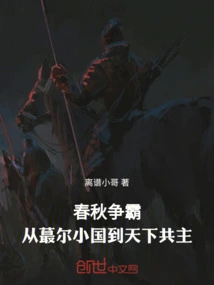
Nine Tripods Weighing Salt: My Horse's Hooves Break Through the Spring and Autumn Period
About This Novel
524 BC, later history books call it the "late Spring and Autumn Period" When Yu Feng in the 21st century traveled to the small country at the end of the Spring and Autumn Period - the son of the king of the Kingdom of Juan, he faced a poor country with less than 10 miles of fiefdom, less than 1,000 people, less than 200 soldiers, powerful neighbors (Qi, Lu, Song), and the fate of being crushed by the wheel of history. Yu Feng's "golden finger" is not only modern knowledge, but also a clear understanding of the political situation in the late Spring and Autumn Period: at this time, the Jin Kingdom had begun to gradually split. The struggle for hegemony between Chu and Wu intensified. (Although Qi and Lu were strong, they each had their own worries.) Taking "trade, strengthening the army, and forming alliances" as the guideline, he first opened iron mines to make swords, develop water conservancy and promote agriculture, and then joined forces with Wei, Zheng and other weak countries in the name of "respecting the king" to gradually encroach on the borders of Song and Lu. When the historical "three families divided into Jin" became a foregone conclusion, the country of Juan had quietly grown into a new power in the Central Plains. Taking the "Co-Lord of China" as his banner, he forced the princes of Qi, Chu, Qin and other princes to make blood alliances at the "Meeting of Heyang" in 475 BC. This small country that was once mentioned in the history books eventually rewrote the history of the late Spring and Autumn Period, and let the word "" be carved into a new chapter of the unification of China.
Official Sources
What Readers Think
Rating
Community(0)
Rating
Community(0)
You Might Also Like
Sword Master of the Tang Dynasty
Believe It Or Not

Reborn Female General
Qianshan Tea Guest
Li Zhi, Don't Be a Coward
Thieving Eyebrows And Rat Eyes
Ming Dynasty: Starting from the End of Hongwu
Why Not Romance
My Brother is the Most Handsome Man in the Qin Dynasty
Premium Cigarettes
Three Kingdoms: the Rebellious Son of the Guan Family, Long Yu Jingxiang
Milk Sugar Sugar Sugar
Great Song Dynasty Rascal
Very Useless And Naive
The First Village of Tang Dynasty
Morrowind Paradise
Great Inventors of the Three Kingdoms
Night Of Blood Sacrifice
Three Whippings Broke up the Relationship between Father and Son. Please Call Your Majesty the Prince
Treat You To Big Noodles