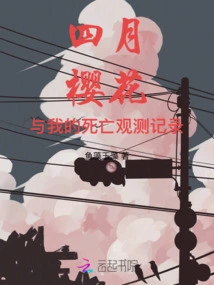
April, Cherry Blossoms, and My Death Observation Record
by Yuzao Tamamo
About This Novel
Her notebook only records death. Mizuno Aoi, a transfer student carrying a dark blue "Death Observation Record", is out of place in the noisy cherry blossom rain at Sakuragaoka High School. Until Kanzaki showed up. He sees through her icy records and talks calmly about "the grand wither." What is even more suffocating is his silent warning "pay attention" - he seems to be able to see the future of death. The moment her blue notebook ended, his black notebook surged with shadows that had not yet arrived. Two observers, marked by death, approached silently in the gentle killing field of the gorgeous spring day. When staring at death becomes instinctive, who can escape the fate of being stared at by it?
Official Sources
What Readers Think
Rating
Community(0)
Official(1)Scraped 1mo ago
The cherry blossoms are withering, and the gaze of two lonely souls on death illuminates the truest temperature of life.
Book review of "April, Cherry Blossoms, and My Death Observation Record": Staring at life in the withering silence - when death becomes the observer, life becomes clearer 1. The alienated observer: recording death is to confirm that one is alive. Mizuno Aoi is an anomaly. She carries a dark blue notebook and records the deaths of people around her - not out of morbid fascination, but because death is a "reality" that cannot be ignored for her. She wrote down the name, date, way of ending, and even details: "The cherry blossoms fell on his unclosed eyes, like fake." These cold records are her way of trying to understand life. In traditional youth campus novels, death is often a dramatic turning point or a tool for sensationalism. But in this book, death is an everyday, silent, and almost transparent presence. Mizuno Aoi does not mourn or fear, she just records. Her perspective is like a camera, calmly capturing the end of life, as if this is the only way to confirm that she is still alive. This sense of alienation is reminiscent of Haruki in "I Want to Eat Your Pancreas" or Watanabe's bystander attitude in "Norwegian Wood". But Mizuno Aoi is even more extreme - she does not passively accept death, but actively observes it. Her notebook is not a memorial book, but an **observation journal**. This setting gives the story an almost cold philosophical meaning from the beginning: **If death is inevitable, can recording it make living more weighty? ** 2. Kanzaki: Are those who foresee death also imprisoned by death? If Aoi Mizuno is the "observer of the past," then Kanzaki is the "observer of the future." He can see death that has not yet happened, but he cannot change it. His black notebook is filled with vague omens: "cold", "falling", "fragments", and "red". Kanzaki's setting is reminiscent of Light Yagami in "Death Note", but his ability is not to control death, but to be controlled by death. He could not prevent the wild cat from falling, nor could he change Mizuno Aoi's fate. He could only watch in silence before telling her, "Including you." This sentence is the turning point of the book. Before that, Mizuno Aoi was just a bystander; but after that, she became the subject of observation. Kanzaki's warning was like a mirror, allowing her to truly face her own end for the first time. What's even more cruel is that Kanzaki himself cannot escape this fate - he can foresee death, but cannot break away from its rules. This setting allows the story to transcend the ordinary "superpower love" routine and become a discussion about destiny and free will. If the future is already determined, what is the meaning of "living"? If death is unavoidable, is "observation" just a futile exercise? 3. The paradox of cherry blossoms and death: gorgeous withering, gentle killing Cherry blossoms are the central image of this book. It is beautiful, ephemeral and fragile, symbolizing the symbiosis of youth and death. Mizuno Aoi said: "The cherry blossoms in Tokyo are blooming so noisily." This sentence accurately captures the contradiction of cherry blossoms-it is both the carnival of life and a preview of death. In traditional Japanese literature, cherry blossoms are often used to symbolize "monoai" (the sentimentality of fleeting beauty). But the Sakura in this book is different. It is not sensational or romantic, but a cold, almost violent existence. It is like a grand funeral, covering everything gently, but killing everything silently. This use of imagery makes the atmosphere of the story both beautiful and cruel. When Mizuno Aoi and Kanzaki stood on the rooftop, watching the cherry blossoms fall, they were not admiring the scenery, but observing a slow massacre. This perspective makes the background of the youth campus seem extremely sharp - in seemingly ordinary daily life, death is never far away. 4. The loneliness of the observer: when understanding becomes the only connection The relationship between Mizuno Aoi and Kanzaki is not a "love" in the traditional sense. There were no confessions, no sweet interactions, or even much dialogue between them. Their connection is based on their understanding of death. When Kanzaki says, "You saw it," he's not complimenting her, but confirming her identity - that she too is an observer. And when he tells her "including you," he's not comforting her, but exercising an almost brutal honesty. This relationship is reminiscent of the interaction between Haruki and Sakura in "I Want to Eat Your Pancreas" - not because of romance, but because **only the other person can understand their loneliness**. The tacit understanding between Mizuno Aoi and Kanzaki does not come from the moment of accelerated heartbeats, but from the silence when they stare into the abyss together. 5. Conclusion: On the observatory of death, life becomes clearer "April, Cherry Blossoms, and My Death Observation Record" is not a "comfortable" novel. It's cold, distant, and even a little desperate. But it is also extremely real - because it confronts a problem that we are all avoiding: life is limited, and how should we face this limitation? Mizuno Aoi's record, Kanzaki's warning, the withering of the cherry blossoms - these seemingly cruel elements actually point to a warm paradox: only those who truly stare at death can live harder. The charm of this book lies not in the answers it provides, but in the questions it raises. It makes us think: If death is inevitable, how should we spend our limited time? If the future cannot be changed, is the "now" more precious? In the grand withering, Mizuno Aoi and Kanzaki found each other. And we, as readers, may also be able to find our own answers on their observatories.
Rating
Community(0)
Official(1)Scraped 1mo ago
The cherry blossoms are withering, and the gaze of two lonely souls on death illuminates the truest temperature of life.
Book review of "April, Cherry Blossoms, and My Death Observation Record": Staring at life in the withering silence - when death becomes the observer, life becomes clearer 1. The alienated observer: recording death is to confirm that one is alive. Mizuno Aoi is an anomaly. She carries a dark blue notebook and records the deaths of people around her - not out of morbid fascination, but because death is a "reality" that cannot be ignored for her. She wrote down the name, date, way of ending, and even details: "The cherry blossoms fell on his unclosed eyes, like fake." These cold records are her way of trying to understand life. In traditional youth campus novels, death is often a dramatic turning point or a tool for sensationalism. But in this book, death is an everyday, silent, and almost transparent presence. Mizuno Aoi does not mourn or fear, she just records. Her perspective is like a camera, calmly capturing the end of life, as if this is the only way to confirm that she is still alive. This sense of alienation is reminiscent of Haruki in "I Want to Eat Your Pancreas" or Watanabe's bystander attitude in "Norwegian Wood". But Mizuno Aoi is even more extreme - she does not passively accept death, but actively observes it. Her notebook is not a memorial book, but an **observation journal**. This setting gives the story an almost cold philosophical meaning from the beginning: **If death is inevitable, can recording it make living more weighty? ** 2. Kanzaki: Are those who foresee death also imprisoned by death? If Aoi Mizuno is the "observer of the past," then Kanzaki is the "observer of the future." He can see death that has not yet happened, but he cannot change it. His black notebook is filled with vague omens: "cold", "falling", "fragments", and "red". Kanzaki's setting is reminiscent of Light Yagami in "Death Note", but his ability is not to control death, but to be controlled by death. He could not prevent the wild cat from falling, nor could he change Mizuno Aoi's fate. He could only watch in silence before telling her, "Including you." This sentence is the turning point of the book. Before that, Mizuno Aoi was just a bystander; but after that, she became the subject of observation. Kanzaki's warning was like a mirror, allowing her to truly face her own end for the first time. What's even more cruel is that Kanzaki himself cannot escape this fate - he can foresee death, but cannot break away from its rules. This setting allows the story to transcend the ordinary "superpower love" routine and become a discussion about destiny and free will. If the future is already determined, what is the meaning of "living"? If death is unavoidable, is "observation" just a futile exercise? 3. The paradox of cherry blossoms and death: gorgeous withering, gentle killing Cherry blossoms are the central image of this book. It is beautiful, ephemeral and fragile, symbolizing the symbiosis of youth and death. Mizuno Aoi said: "The cherry blossoms in Tokyo are blooming so noisily." This sentence accurately captures the contradiction of cherry blossoms-it is both the carnival of life and a preview of death. In traditional Japanese literature, cherry blossoms are often used to symbolize "monoai" (the sentimentality of fleeting beauty). But the Sakura in this book is different. It is not sensational or romantic, but a cold, almost violent existence. It is like a grand funeral, covering everything gently, but killing everything silently. This use of imagery makes the atmosphere of the story both beautiful and cruel. When Mizuno Aoi and Kanzaki stood on the rooftop, watching the cherry blossoms fall, they were not admiring the scenery, but observing a slow massacre. This perspective makes the background of the youth campus seem extremely sharp - in seemingly ordinary daily life, death is never far away. 4. The loneliness of the observer: when understanding becomes the only connection The relationship between Mizuno Aoi and Kanzaki is not a "love" in the traditional sense. There were no confessions, no sweet interactions, or even much dialogue between them. Their connection is based on their understanding of death. When Kanzaki says, "You saw it," he's not complimenting her, but confirming her identity - that she too is an observer. And when he tells her "including you," he's not comforting her, but exercising an almost brutal honesty. This relationship is reminiscent of the interaction between Haruki and Sakura in "I Want to Eat Your Pancreas" - not because of romance, but because **only the other person can understand their loneliness**. The tacit understanding between Mizuno Aoi and Kanzaki does not come from the moment of accelerated heartbeats, but from the silence when they stare into the abyss together. 5. Conclusion: On the observatory of death, life becomes clearer "April, Cherry Blossoms, and My Death Observation Record" is not a "comfortable" novel. It's cold, distant, and even a little desperate. But it is also extremely real - because it confronts a problem that we are all avoiding: life is limited, and how should we face this limitation? Mizuno Aoi's record, Kanzaki's warning, the withering of the cherry blossoms - these seemingly cruel elements actually point to a warm paradox: only those who truly stare at death can live harder. The charm of this book lies not in the answers it provides, but in the questions it raises. It makes us think: If death is inevitable, how should we spend our limited time? If the future cannot be changed, is the "now" more precious? In the grand withering, Mizuno Aoi and Kanzaki found each other. And we, as readers, may also be able to find our own answers on their observatories.
You Might Also Like

Report to the President! Your Little Ancestor is Here to Steal Your Heart Again
Jian Xiaomo

After the Flash Marriage, the Character Collapsed
Doubi In The World
From Then On, the Love Lasted Forever
Zixiamu

The Sweet Wife of a Top Student is Super Cute
Brilliant Brocade
Reborn Female General
Qianshan Tea Guest

The Chief Husband Seeks Status
Jiang Lijin

Long Shaoba Loves: Sweet and Hot Little Wife
Angel

The Boss Has Withdrawn from the Circle
Doubi In The World