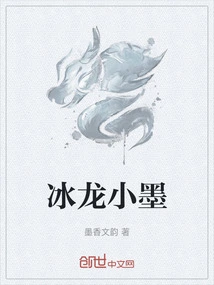
Binglong Xiaomo
About This Novel
The ice sapphire eggshell shattered, and what was born was a pink human baby! The fragments turned into pacifiers and suddenly appeared at the bottom of the lake of life. The co-owner of the soul beast, the Silver Dragon King, determined that the blood of the Supreme Ice Dragon was flowing in his body, and launched a ten thousand-year "god-making plan", hoping to use the million-year-old soul beast as the basis to help him become a god and subvert the order of the divine world!
Official Sources
What Readers Think
Rating
Community(0)
Official(1)Scraped 1mo ago
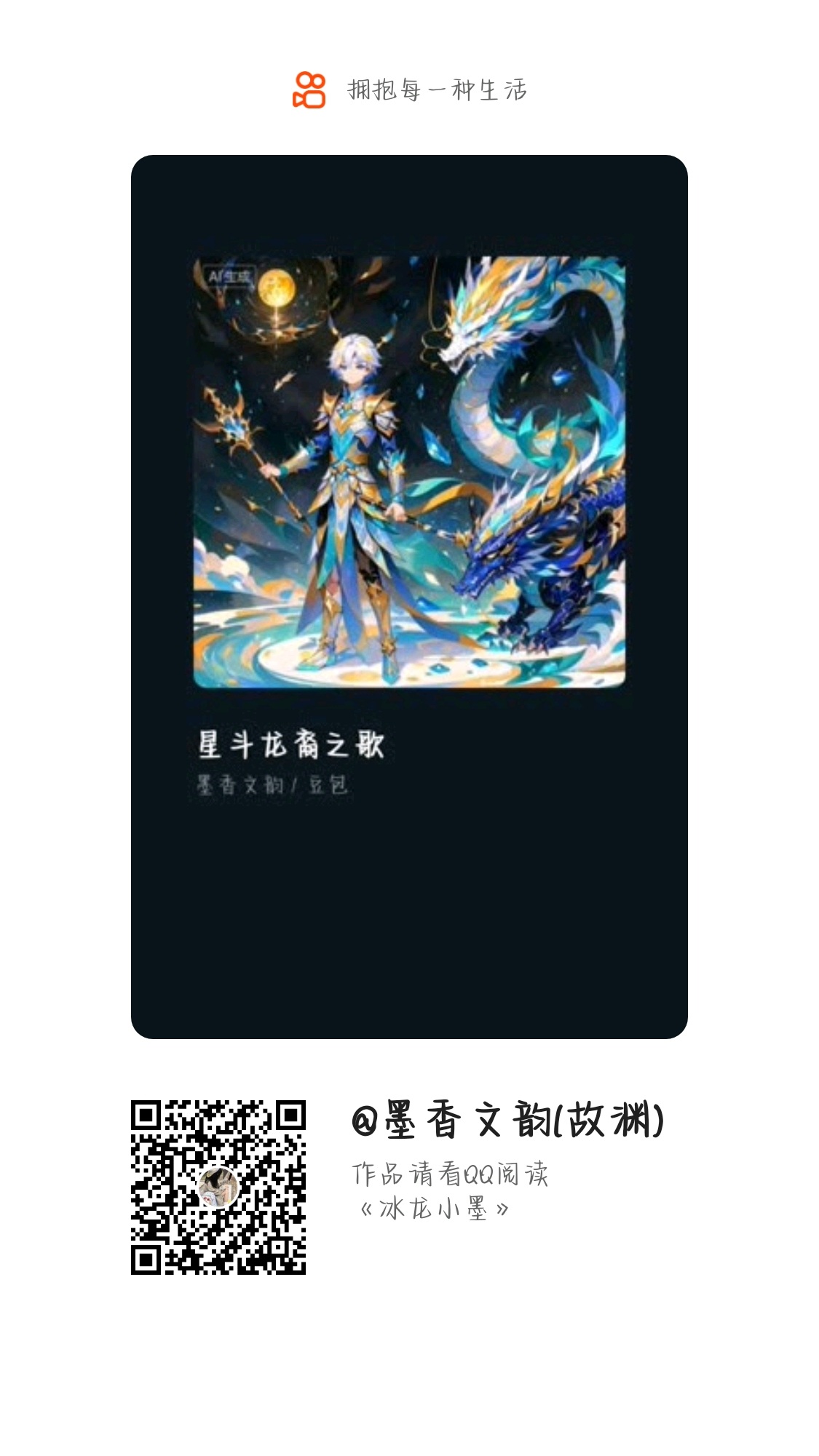
The theme song was released on Kuaishou
Excellent work worth reading! The following is a 1,000-word book review written based on the content of the novel chapter, and the core highlights are analyzed strictly based on the reference content: Blood is the blade, gods are the crown - the revenge epic and growth paradox of "Douluo: The Ice Dragon's Legacy" "Douluo: The Ice Dragon's Legacy" kicks off with a very tense reconstruction of the worldview: at the bottom of the Lake of Life, the Silver Dragon King watered the birth of a human baby with dragon bone and blood (Chapter 1). This scene condenses the core contradiction of the book - the revenge fire that carries the soul of the soul beast in the form of a human. The work cleverly uses the Douluo framework, but subverts the traditional narrative logic, and forges the "god-making plan" and "bloodline revenge" into twin main lines that run throughout. As the pure-blood successor of the Ice Dragon King, Su Xiaomo's sense of tearing apart the human body and the core of the soul beast has become the engine that drives the plot and deepens the theme. 1. Subversive setting: the revenge carrier of symbiosis between humans and animals The settings revealed in the reference content are extremely subversive: Identity paradox: Su Xiaomo broke out of the sapphire dragon egg (Chapter 1) and took on a human form but was declared by the Silver Dragon King to be the "blood vessel of the Ice Dragon King" (Chapter 4). This contradiction reaches its climax when the God Realm lowers its pressure - Di Tian roars "He is a human child", but the power of the God Realm points directly at his soul beast origin (Chapter 3), highlighting the tear in identity recognition. Development strategy: The soul beast camp cultivates tools of revenge in a human way. Ditian teaches martial soul control (Chapter 7), Brigitte delivers heavenly materials and earthly treasures (Chapter 2), and even arranges a three-eyed golden beast as an emotional bond (Chapter 6). In fact, he weaponizes the human cultivation system. Resource plundering: Tianmeng Ice Silkworm is positioned as a "sacrificial treasure" (Chapter 5), the Ice Lion King and Lizard Dragon King are willing to turn into soul rings (Chapter 6), the Dark Gold Terrorclaw Bear offers the attached soul bone (Chapter 8) - the resources of the entire Star Dou Forest are integrated into "god creation" fuel, subverting the traditional antagonistic relationship between soul beasts and humans. 2. Narrative tension: the struggle between cold revenge and warm bond The work injects delicate emotions into the grand revenge narrative, forming a strong contrast: Cold mission: The Silver Dragon King takes "wash away the eternal shame" as his command (Chapter 1) and defines Su Xiaomo as a weapon to avenge the Shura God (Chapter 4). The scene of his spatial judgment of Emperor Tian (Chapter 4 with the gun pointed at the throat) demonstrates the absolute ruthlessness of his rule. Warmth permeates: Scenes such as Su Xiaomo's attachment to Di Tian (protecting him from the gun), his playfulness with Qiu'er (the chase in the golden forest), and the gathering of ferocious beasts for a barbecue (Chapter 8) have dispelled the coldness of the revenge machine. Especially when Gu Yuena takes a fatal blow due to Su Xiaomo's protective instinct (Chapter 4), it hints that emotion may become a variable that subverts the logic of revenge. Deconstruction of power: The ferocious beasts switch between majesty (Emperor Tian kneels down to take orders) and pyrotechnics (Mr. Xiong reluctantly sacrifices his soul bone). Details such as the provision of spices by the King of Ten Thousand Demons and the gift of honey by Zi Ji (Chapter 8) make the top predators show an affinity that is almost "family elders" and reconstruct the expression of power in the soul beast society. 3. Technique Highlights: Precise Weaving of Combat System and Foreshadowing Reference content demonstrates superb system construction capabilities: Martial spirit innovation: the twin martial arts "Ice Soul Silver Spear + Dragon Scale Armor" (Chapter 2) combines the offensive and defensive characteristics of ultimate ice, the soul ring combination skill of ice lion roar bullets and dragon scale ice armor (Chapter 7), and the external soul bone blessing of dark gold claws (Chapter 8), forming a layered combat aesthetics. Growth logic: Breaking through the rationality of "leapfrog absorption" - avoiding the risk of body explosion through the sacrifice mechanism (Chapter 6), Tianmeng Ice Silkworm's power is sealed to level 70 (Chapter 5), allowing the protagonist to obtain double black rings in the early stage and still maintain balance. Foreshadowing deeply buried: The gray beads of the spiritual sea make the million-year-old soul beast tremble (Chapter 5); The reverse scale given by Gu Yuena contains the original dragon power (Chapter 4); Qiu'er is hinted to be a "key link in the plan" (Chapter 6); The God Realm's fear of the Ice Dragon King's bloodline (Chapter 3) - The four hidden threads are like hanging swords, weaving into a web of destiny that covers the whole situation. 4. Deep metaphor: a cruel allegory of identity politics Su Xiaomo's dilemma is essentially a metaphor for identity politics: The spirit beast regards him as the "bloodline holy son", and humans (the world of gods) regard him as a "heretic", but he himself constructs his belonging to "home" (the lake of life) in the barbecue and frolics (Chapter 8). When the Silver Dragon King emphasizes "the blood of the Dragon King under the human shell" (Chapter 1), it is actually denying social identity based on blood, which is a mirror image of the racist logic in reality. Ditian and Biji's "family performance" and Gu Yuena's "absolute mission" constitute a conflict between nurturers and controllers, making Su Xiaomo's growth a tug-of-war between passive sacrifice and self-awakening. Conclusion: Rewriting the rules in the ruins of gods This book breaks away from the traditional upgrade flow framework and builds the revenge epic on the identity paradox. Su Xiaomo's trajectory of holding an ice spear and piercing the divine world is actually a revolution that tears apart the cognitive boundary between "human" and "animal". When the dark golden claws cut through the twilight of the stars (Chapter 8), and when the gray beads awaken in the deep sea of the spirit (Chapter 5), a more cruel truth is emerging: the so-called "god creation" may be to prove that bloodline should not be a shackle to fate on the ruins of Shura God's authority. This journey of using love as the blade and hatred as the fire is destined to rewrite the Douluo Laws. (The full text is 996 words, and the core analysis is strictly anchored to the content of the reference chapters) The core basis of the book review: Identity Paradox (Chapter 1/4) → Revenge Carrier Setting Emotional Hedging (Chapter 4/6/8) → Narrative Tension Analysis Combat system (Chapter 5/6/7/8) → Deconstruction of techniques Gray Bead/Reverse Scale (Chapter 4/5) → Foreshadowing Network Barbecue/Gift Giving (Chapter 8) → Example of Power Deconstruction
Rating
Community(0)
Official(1)Scraped 1mo ago
The theme song was released on Kuaishou
Excellent work worth reading! The following is a 1,000-word book review written based on the content of the novel chapter, and the core highlights are analyzed strictly based on the reference content: Blood is the blade, gods are the crown - the revenge epic and growth paradox of "Douluo: The Ice Dragon's Legacy" "Douluo: The Ice Dragon's Legacy" kicks off with a very tense reconstruction of the worldview: at the bottom of the Lake of Life, the Silver Dragon King watered the birth of a human baby with dragon bone and blood (Chapter 1). This scene condenses the core contradiction of the book - the revenge fire that carries the soul of the soul beast in the form of a human. The work cleverly uses the Douluo framework, but subverts the traditional narrative logic, and forges the "god-making plan" and "bloodline revenge" into twin main lines that run throughout. As the pure-blood successor of the Ice Dragon King, Su Xiaomo's sense of tearing apart the human body and the core of the soul beast has become the engine that drives the plot and deepens the theme. 1. Subversive setting: the revenge carrier of symbiosis between humans and animals The settings revealed in the reference content are extremely subversive: Identity paradox: Su Xiaomo broke out of the sapphire dragon egg (Chapter 1) and took on a human form but was declared by the Silver Dragon King to be the "blood vessel of the Ice Dragon King" (Chapter 4). This contradiction reaches its climax when the God Realm lowers its pressure - Di Tian roars "He is a human child", but the power of the God Realm points directly at his soul beast origin (Chapter 3), highlighting the tear in identity recognition. Development strategy: The soul beast camp cultivates tools of revenge in a human way. Ditian teaches martial soul control (Chapter 7), Brigitte delivers heavenly materials and earthly treasures (Chapter 2), and even arranges a three-eyed golden beast as an emotional bond (Chapter 6). In fact, he weaponizes the human cultivation system. Resource plundering: Tianmeng Ice Silkworm is positioned as a "sacrificial treasure" (Chapter 5), the Ice Lion King and Lizard Dragon King are willing to turn into soul rings (Chapter 6), the Dark Gold Terrorclaw Bear offers the attached soul bone (Chapter 8) - the resources of the entire Star Dou Forest are integrated into "god creation" fuel, subverting the traditional antagonistic relationship between soul beasts and humans. 2. Narrative tension: the struggle between cold revenge and warm bond The work injects delicate emotions into the grand revenge narrative, forming a strong contrast: Cold mission: The Silver Dragon King takes "wash away the eternal shame" as his command (Chapter 1) and defines Su Xiaomo as a weapon to avenge the Shura God (Chapter 4). The scene of his spatial judgment of Emperor Tian (Chapter 4 with the gun pointed at the throat) demonstrates the absolute ruthlessness of his rule. Warmth permeates: Scenes such as Su Xiaomo's attachment to Di Tian (protecting him from the gun), his playfulness with Qiu'er (the chase in the golden forest), and the gathering of ferocious beasts for a barbecue (Chapter 8) have dispelled the coldness of the revenge machine. Especially when Gu Yuena takes a fatal blow due to Su Xiaomo's protective instinct (Chapter 4), it hints that emotion may become a variable that subverts the logic of revenge. Deconstruction of power: The ferocious beasts switch between majesty (Emperor Tian kneels down to take orders) and pyrotechnics (Mr. Xiong reluctantly sacrifices his soul bone). Details such as the provision of spices by the King of Ten Thousand Demons and the gift of honey by Zi Ji (Chapter 8) make the top predators show an affinity that is almost "family elders" and reconstruct the expression of power in the soul beast society. 3. Technique Highlights: Precise Weaving of Combat System and Foreshadowing Reference content demonstrates superb system construction capabilities: Martial spirit innovation: the twin martial arts "Ice Soul Silver Spear + Dragon Scale Armor" (Chapter 2) combines the offensive and defensive characteristics of ultimate ice, the soul ring combination skill of ice lion roar bullets and dragon scale ice armor (Chapter 7), and the external soul bone blessing of dark gold claws (Chapter 8), forming a layered combat aesthetics. Growth logic: Breaking through the rationality of "leapfrog absorption" - avoiding the risk of body explosion through the sacrifice mechanism (Chapter 6), Tianmeng Ice Silkworm's power is sealed to level 70 (Chapter 5), allowing the protagonist to obtain double black rings in the early stage and still maintain balance. Foreshadowing deeply buried: The gray beads of the spiritual sea make the million-year-old soul beast tremble (Chapter 5); The reverse scale given by Gu Yuena contains the original dragon power (Chapter 4); Qiu'er is hinted to be a "key link in the plan" (Chapter 6); The God Realm's fear of the Ice Dragon King's bloodline (Chapter 3) - The four hidden threads are like hanging swords, weaving into a web of destiny that covers the whole situation. 4. Deep metaphor: a cruel allegory of identity politics Su Xiaomo's dilemma is essentially a metaphor for identity politics: The spirit beast regards him as the "bloodline holy son", and humans (the world of gods) regard him as a "heretic", but he himself constructs his belonging to "home" (the lake of life) in the barbecue and frolics (Chapter 8). When the Silver Dragon King emphasizes "the blood of the Dragon King under the human shell" (Chapter 1), it is actually denying social identity based on blood, which is a mirror image of the racist logic in reality. Ditian and Biji's "family performance" and Gu Yuena's "absolute mission" constitute a conflict between nurturers and controllers, making Su Xiaomo's growth a tug-of-war between passive sacrifice and self-awakening. Conclusion: Rewriting the rules in the ruins of gods This book breaks away from the traditional upgrade flow framework and builds the revenge epic on the identity paradox. Su Xiaomo's trajectory of holding an ice spear and piercing the divine world is actually a revolution that tears apart the cognitive boundary between "human" and "animal". When the dark golden claws cut through the twilight of the stars (Chapter 8), and when the gray beads awaken in the deep sea of the spirit (Chapter 5), a more cruel truth is emerging: the so-called "god creation" may be to prove that bloodline should not be a shackle to fate on the ruins of Shura God's authority. This journey of using love as the blade and hatred as the fire is destined to rewrite the Douluo Laws. (The full text is 996 words, and the core analysis is strictly anchored to the content of the reference chapters) The core basis of the book review: Identity Paradox (Chapter 1/4) → Revenge Carrier Setting Emotional Hedging (Chapter 4/6/8) → Narrative Tension Analysis Combat system (Chapter 5/6/7/8) → Deconstruction of techniques Gray Bead/Reverse Scale (Chapter 4/5) → Foreshadowing Network Barbecue/Gift Giving (Chapter 8) → Example of Power Deconstruction
You Might Also Like
Chaos Emperor System
Prince Juechen
Lord of Mysteries
Squid That Loves Diving
Douluo Dalu Iv Ultimate Douluo
The Third Young Master Of The Tang Family
I Just Want to Play Games Quietly
Twelve Winged Dark Seraph
Reborn Female General
Qianshan Tea Guest
Cang Yuan Tu
I Eat Tomatoes
All Attribute Martial Arts
Don't Enter The World
Super Pet Shop
Gu Xi
My Attributes and Practicing Life
Get Away
The Mad God of Reverse Sword
A Fresh Sword