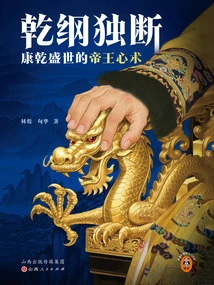
Qian Gang's Arbitrary Decision: the Emperor's Mentality in the Prosperous Times of Kangxi and Qianlong
About This Novel
A book to understand the unfathomable imperial thoughts of the three prosperous emperors of Kangxi, Yongzong and Qianlong. The Qing Dynasty used minority ethnic groups to rule the huge Han population. The panic over the legitimacy of rule gave rise to the Qing emperors' ultimate desire for control. They transformed national conflicts and cultural anxiety into power for power, reaching the pinnacle and final success of China's feudal imperial power. 1. Kangxi's idea of checks and balances: maintaining stability through dynamic balance. The two major groups, Mingzhu and Soetu, were allowed to criticize each other, maintaining a delicate balance between "competition" and "controllability". 2. Yongzheng's mysterious politics: using the "system black box" to resolve the crisis of legitimacy. Turn the inheritance of imperial power into the will of both parties, and turn the doubts about "incorrect access to the throne" into the capital of Qiangang's arbitrary rule. 3. Qianlong's psychological deterrence: using cultural terror to construct a master-slave relationship. With the harsh literary prison, he turned the world into frightened birds, and completely domesticated the "co-governance of monarchs and ministers" into a master-slave relationship.
Official Sources
What Readers Think
Rating
Community(0)
Rating
Community(0)