B
by G
About This Novel
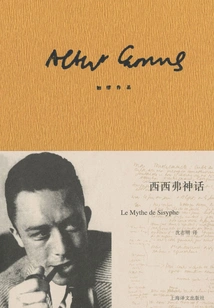
"The Myth of Sisyphus" is one of the masterpieces of Camus, the French existentialist master. It is Camus's most in-depth and concentrated investigation and most thorough and clear explanation of the philosophy of absurdity. Sisyphus, a Greek mythological figure who pushes rocks up mountains and performs never-ending hard labor, is undoubtedly the most vivid symbol of the absurdity of human existence; but at the same time, he is also a great example for human beings to not despair or be depressed, but to rise up against absurdity and not hesitate to fight against absurd fate to the end. Therefore, "The Myth of Sisyphus" is not so much a tragic self-portrait of the human condition as it is a victory song of liberal humanism. It constitutes a style that is both pathos and sublime. In the entire field of human culture and art, perhaps only Beethoven's "Symphony of Destiny" can rival it in taste.
Official Sources
What Readers Think
Rating
Community(0)
Official(16)Scraped 1mo ago
Confronting Absurdity--Comments on "The Myth of Sisyphus"
"The Myth of Sisyphus" is a collection of philosophical essays by French writer Albert Camus. This collection of Camus's essays brings together four of the writer's essays - Absurd Reasoning, Absurd Man, Absurd Creation and The Myth of Sisyphus. "Absurd Reasoning" revolves around "absurd sense" and "absurd", and uses "Absurd Reasoning" as a method directly in the two parts of "Absurd Man" and "Absurd Creation"; "Absurd Man" concretizes and visualizes the concept of absurdity for analysis, and gradually pushes and pulls into the core of the absurd concept; "Absurd Creation" more reflects the literary nature of myth, and has a strong literary criticism, and conducts unique analysis of many literary works from the perspective of "absurdity". The whole article starts from "absurdity", using absurdity and suicide, absurdity and nothingness, absurdity and hope as the entry point. Through the cycle of affirmation, negation and re-affirmation, it continuously improves the discussion of the concept of "absurdity", and finally returns to the "myth of Sisyphus". It is the shortest in length, but it is an article that outlines and embodies the essence of Camus's thoughts. He pointed out: "Sisyphus is the absurd hero. Both because of his passion and because of his hardship." Plato once said: "Every inch of soil in the Utopia is our Utopia." In this collection of essays, the writer focuses on a series of important philosophical propositions such as death and resistance, happiness and tragedy, existence and salvation, and the absurdity and absurdity of life. Among them, the ancient mythical image of Sisyphus is the core of the entire collection of essays. Sisyphus, a Greek mythological figure who pushed rocks up mountains and endured never-ending hard labor, is undoubtedly the most vivid symbol of the absurdity of human existence; but at the same time, he is also a banner for human beings to not despair or be depressed, to rise up against absurdity, and to fight to the end against absurd fate. Therefore, rather than saying that the myth of Sisyphus is a tragic self-portrait of the human condition, it is better to say that it is a triumphant song of liberal humanism, which constitutes a style that is both pathos and sublime. "Some people are born to live; some people are born to love." After people realize the absurd, they should face the absurd, as Camus said, "To survive is to keep the absurd alive." To live with dignity is to live for life. Resistance can also be called affirmation. It is an action that goes further than passion. Realizing the absurdity of life is a starting point. What is more important is to adopt a rebellious attitude towards the absurdity. The punishment given to Sisyphus by the gods is a fate that he cannot escape. In this case, it is better to face it. His efforts and non-stop are precisely the resistance to absurdity and contempt for the gods. This is also the expression of human beings' resistance to suffering and the absurd world. Although Camus believed that the world and human destiny were cruel and absurd, he loved nature and life. He looks at the world and life negatively, but faces it with a positive attitude. To do something knowingly, the absurdity given by life itself must be resolved by resisting the absurdity. Suicide and hope are both ways to escape the absurdity. The most important thing in life is not the quality of life, but learning to get more from life. Saying "yes" to life is giving a new meaning to this absurd world. Life is tangible, life is intangible. We seek the balance between beauty and regret in invisible life, and persistently fight against absurdity. In the journey of finding or realizing ideals, everyone is Sisyphus. Halfway up the mountain while pushing the stone, if we stop occasionally, we will see different scenery. Maybe it's ancient yesterday, maybe it's the deep dawn, maybe it's a moment of exile in poetry.
happiness in absurdity
Undoubtedly, Sisyphus was unlucky. A stone became a cage that imprisoned him, and it was also his fate. Struggling between hope and despair, suppressing the absurdity of life to the extreme. As mortals, we all cycle back and forth from hope to despair until death under the judgment of God. However, the cruelty of the ending did not completely swallow up the power of life itself. We dedicated our passion and used our will to open up new territories for hope. When our figures go back and forth at the top of the mountain and at the foot of the mountain, the sweat under our feet has nothing to do with the God above us. Absurdity has no meaning, but suffering has given us a baptism. This baptism is the only way to happiness. It exists in your steps pushing and chasing stones, not in God above your head.
"Once a person is deprived of fantasy and light, he feels like an outsider in this world. He wants to escape from himself at any time, but has no choice but to stay in it. He is depressed by anxiety and falls into a kind of depression caused by despair. When the "patient" is conscious, this "absurd disease" is likely to lead to suicide."
The title of this book, "The Myth of Sisyphus," has become a French proverb, a metaphor for "the eternal hopeless and useless condition of life."
Absurdity may lead to illness. A person loses his fantasy and light, leaving only the cruel reality. He gradually becomes disappointed with the world, feels depressed, and loses confidence in living.
"The only excuse for God is that He doesn't exist."
"Without a soul, there is no need for eternal life. Do your best to do your best. "
Camus' Absurdism
Starting from the absurd, we analyze the absurdity of the world and discover the beauty. Life is just about having fun amid suffering.
Absurdity is also a hero, regardless of success or failure
Good reading, good reading, good reading, good reading!
Rating
Community(0)
Official(16)Scraped 1mo ago
Confronting Absurdity--Comments on "The Myth of Sisyphus"
"The Myth of Sisyphus" is a collection of philosophical essays by French writer Albert Camus. This collection of Camus's essays brings together four of the writer's essays - Absurd Reasoning, Absurd Man, Absurd Creation and The Myth of Sisyphus. "Absurd Reasoning" revolves around "absurd sense" and "absurd", and uses "Absurd Reasoning" as a method directly in the two parts of "Absurd Man" and "Absurd Creation"; "Absurd Man" concretizes and visualizes the concept of absurdity for analysis, and gradually pushes and pulls into the core of the absurd concept; "Absurd Creation" more reflects the literary nature of myth, and has a strong literary criticism, and conducts unique analysis of many literary works from the perspective of "absurdity". The whole article starts from "absurdity", using absurdity and suicide, absurdity and nothingness, absurdity and hope as the entry point. Through the cycle of affirmation, negation and re-affirmation, it continuously improves the discussion of the concept of "absurdity", and finally returns to the "myth of Sisyphus". It is the shortest in length, but it is an article that outlines and embodies the essence of Camus's thoughts. He pointed out: "Sisyphus is the absurd hero. Both because of his passion and because of his hardship." Plato once said: "Every inch of soil in the Utopia is our Utopia." In this collection of essays, the writer focuses on a series of important philosophical propositions such as death and resistance, happiness and tragedy, existence and salvation, and the absurdity and absurdity of life. Among them, the ancient mythical image of Sisyphus is the core of the entire collection of essays. Sisyphus, a Greek mythological figure who pushed rocks up mountains and endured never-ending hard labor, is undoubtedly the most vivid symbol of the absurdity of human existence; but at the same time, he is also a banner for human beings to not despair or be depressed, to rise up against absurdity, and to fight to the end against absurd fate. Therefore, rather than saying that the myth of Sisyphus is a tragic self-portrait of the human condition, it is better to say that it is a triumphant song of liberal humanism, which constitutes a style that is both pathos and sublime. "Some people are born to live; some people are born to love." After people realize the absurd, they should face the absurd, as Camus said, "To survive is to keep the absurd alive." To live with dignity is to live for life. Resistance can also be called affirmation. It is an action that goes further than passion. Realizing the absurdity of life is a starting point. What is more important is to adopt a rebellious attitude towards the absurdity. The punishment given to Sisyphus by the gods is a fate that he cannot escape. In this case, it is better to face it. His efforts and non-stop are precisely the resistance to absurdity and contempt for the gods. This is also the expression of human beings' resistance to suffering and the absurd world. Although Camus believed that the world and human destiny were cruel and absurd, he loved nature and life. He looks at the world and life negatively, but faces it with a positive attitude. To do something knowingly, the absurdity given by life itself must be resolved by resisting the absurdity. Suicide and hope are both ways to escape the absurdity. The most important thing in life is not the quality of life, but learning to get more from life. Saying "yes" to life is giving a new meaning to this absurd world. Life is tangible, life is intangible. We seek the balance between beauty and regret in invisible life, and persistently fight against absurdity. In the journey of finding or realizing ideals, everyone is Sisyphus. Halfway up the mountain while pushing the stone, if we stop occasionally, we will see different scenery. Maybe it's ancient yesterday, maybe it's the deep dawn, maybe it's a moment of exile in poetry.
happiness in absurdity
Undoubtedly, Sisyphus was unlucky. A stone became a cage that imprisoned him, and it was also his fate. Struggling between hope and despair, suppressing the absurdity of life to the extreme. As mortals, we all cycle back and forth from hope to despair until death under the judgment of God. However, the cruelty of the ending did not completely swallow up the power of life itself. We dedicated our passion and used our will to open up new territories for hope. When our figures go back and forth at the top of the mountain and at the foot of the mountain, the sweat under our feet has nothing to do with the God above us. Absurdity has no meaning, but suffering has given us a baptism. This baptism is the only way to happiness. It exists in your steps pushing and chasing stones, not in God above your head.
"Once a person is deprived of fantasy and light, he feels like an outsider in this world. He wants to escape from himself at any time, but has no choice but to stay in it. He is depressed by anxiety and falls into a kind of depression caused by despair. When the "patient" is conscious, this "absurd disease" is likely to lead to suicide."
The title of this book, "The Myth of Sisyphus," has become a French proverb, a metaphor for "the eternal hopeless and useless condition of life."
Absurdity may lead to illness. A person loses his fantasy and light, leaving only the cruel reality. He gradually becomes disappointed with the world, feels depressed, and loses confidence in living.
"The only excuse for God is that He doesn't exist."
"Without a soul, there is no need for eternal life. Do your best to do your best. "
Camus' Absurdism
Starting from the absurd, we analyze the absurdity of the world and discover the beauty. Life is just about having fun amid suffering.
Absurdity is also a hero, regardless of success or failure
Good reading, good reading, good reading, good reading!