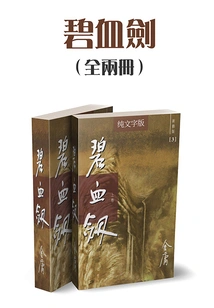
Jade Blood Sword (two Volumes) (newly Revised Version with Pure Text)
by Jin Yong
About This Novel
"Blue Blood Sword" tells the story of Yuan Chonghuan, a famous anti-Qing general who was unjustly killed by Emperor Chongzhen due to Huang Taiji's counterintuitive plot. Yuan Chengzhi, who was determined to avenge his father, was elected as the leader of the martial arts alliance at a young age. Wanting to avenge his father's murder, but facing the danger of national subjugation, the young hero resolutely chose to take saving the people of the world as his own responsibility, setting up a righteous flag, helping the king, and resisting the Manchu cavalry. With his peerless martial arts skills, he went through countless hardships, but failed to save the people of Li from dire straits. Full of grief and anger, he had to go overseas. The author of "Blue Blood Sword" describes the tragic situation of the world in the troubled times of the late Ming Dynasty in a compassionate way, and is full of deep sympathy for the common people.
Official Sources
What Readers Think
Rating
Community(0)
Official(26)Scraped 1mo ago
Marrying a wife who looks like Qingqing will be over for the rest of your life, so Yuan Chengzhi will not have a good outcome in the end.
Who changed the book?
Who changed the content of this book? Is it Daxia Jin himself? It doesn't look like it. It's much worse than the original book. The content has been deleted, the name has been changed, the plot has been simplified, and the continuity of the whole book is quite different, especially the scene where the Five Poisons Sect appears. The original book made the environment eerie and terrifying, making the readers nervous. What kind of changes have been made, and what kind of butler is there to guide the way! I wonder if Daxia Jin would take back the copyright if he saw it.
Mr. JC's thoughts after viewing--Blue Blood Sword
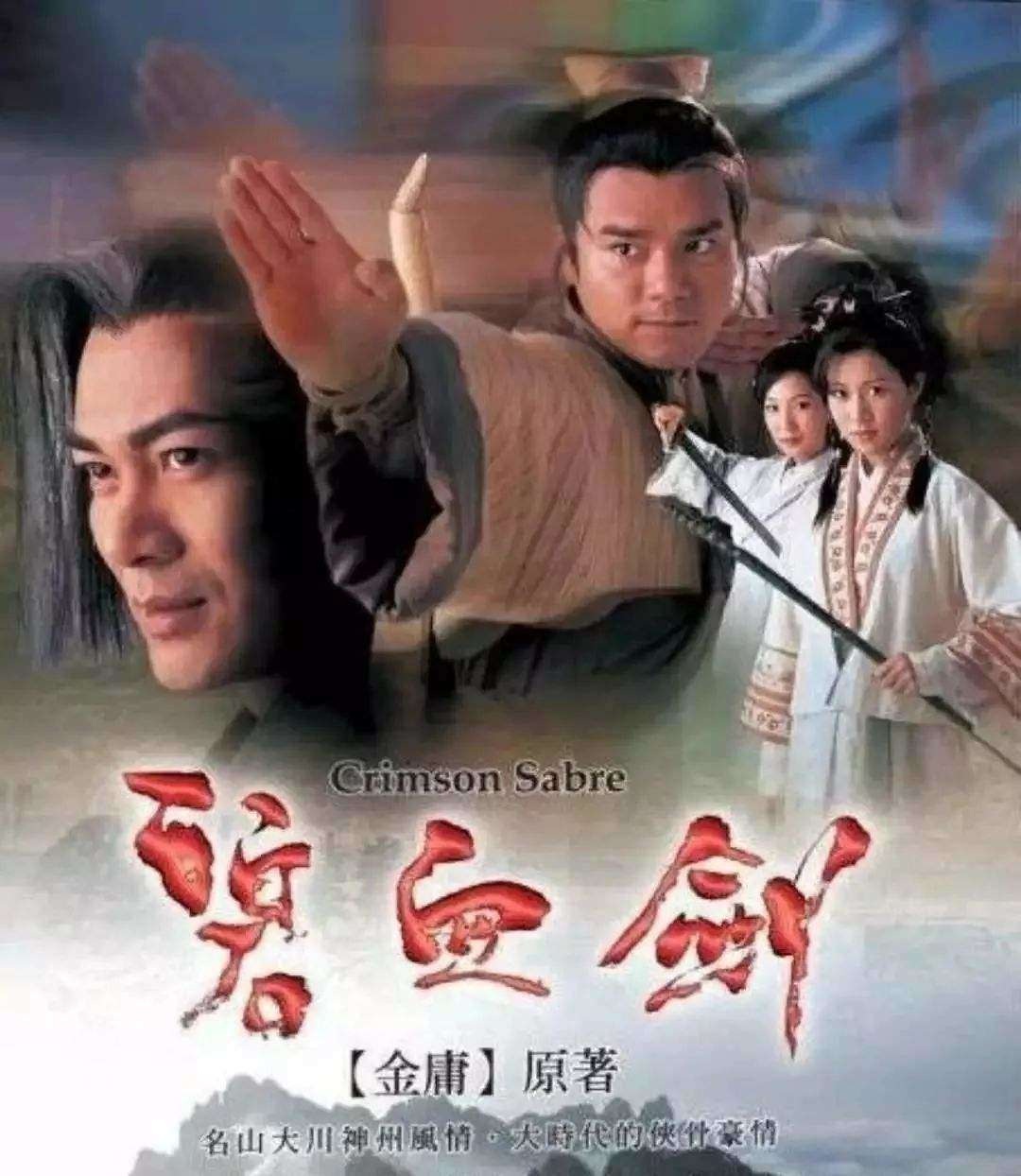
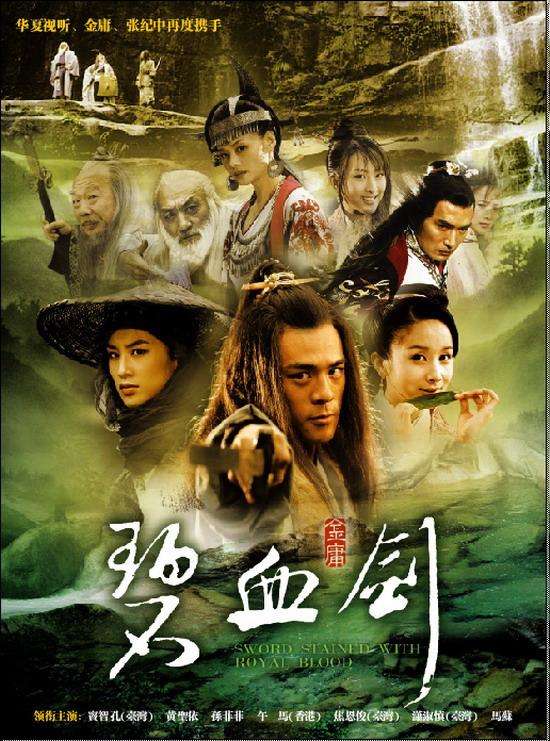
I have watched the TVB version before and was very impressed by the golden snake man played by Jiang Hua at that time. After reading the original work, I discovered that TVB had made quite a few changes to the plot (Yuan Chengzhi's appearance was restored to be "dark-skinned, not amazing in appearance"). No wonder Mr. Jin didn't like the work to be used in dramas. The Blue Blood Sword - the second work created by Jin Lao, is the prequel to The Deer and the Cauldron. The protagonist is Yuan Chengzhi, the son of Yuan Chonghuan, a famous general in the late Ming Dynasty. Although his name is "Chengzhi", he wants to assassinate Emperor Chongzhen every day and defeat the Ming Dynasty to avenge his father. Throughout the story, the protagonist is more like a guide. Through the development of the plot, Yu Jianghu brought out the life of the Golden Snake Man. In the country, he witnessed the collapse of the Ming Dynasty and the short-lived appearance of Li Zicheng. Although he did several beautiful things in the rivers and lakes, in the end, after the "Shan Zongying" he led was defeated by the Qing soldiers, he fled overseas in a coward, and he really lived up to the word "Chengzhi" in his name. If we judge him solely by the standards of a knight-errant, he can be regarded as a man of upright character and unparalleled martial arts skills (he will be nearly invincible once he reaches the mountain as an adult). But if we want to judge the national security, his deeds and ambitions are hardly one ten thousandth of those of his father. Next is the "Summary and Complaints" section: First let's talk about the structure of the whole book. The whole book of Blue Blood Sword has a total of 2002 pages (I read it using QQ). It's not half as good as the 4,600-plus pages of The Deer and the Cauldron that I read previously. And when we only saw 84% of the story, the whole story was already over. The next 16% is a biography about Yuan Chonghuan's life... The plot is quite exciting, but the whole book is basically a plot explanation, with very few in-depth descriptions. Even the protagonist's first meeting with King Chuang, his friendship with Li Yan, and even such important plots as hanging on a coal mountain in Chongzhen are only mentioned in a few sentences. It is obvious that Mr. Jin did not pay much attention to this work. Later I found out that he was only in his early 30s when he wrote "Bi", and he wrote it at the same time as the second half of "Shu Jian En Qi Lu". At that time, in order to keep up with the schedule of serialization in newspapers, it was difficult to be detailed, so that it later became the most revised work when it was reprinted. Because of this book, I have recently read a lot of information about Yuan Chonghuan and Chongzhen. Jin Lao had a very high opinion of Yuan, and Chongzhen was regarded by him as a coward. Although Yuan has received mixed reviews in history (in those stories about the Ming Dynasty, Mingyue scolded him as a fool with almost zero EQ), in my opinion, he is still a hero of his generation. Isn't it remarkable enough that a weak scholar of a generation joined the army and went to the most dangerous Liaodong to serve his country? He also broke the Ming Dynasty's impression that "the Qing army was invincible" by winning with a small number. Although the way of being an official is not high enough, maybe he is just disdainful. As for Chongzhen, he was actually not a bad emperor. He took care of the eunuch Wei Zhongxian at a young age and worked diligently to clean up the government affairs. He was hundreds of times better than his father and brother. But the bad thing is that he is suspicious and willful, and often makes wrong decisions (he was only 19 when he killed Yuan), so he has nothing to do with Mingjun. But no matter what, if the building is about to collapse, how can a wise king and a few good generals save it? Historical trends never change because of people.
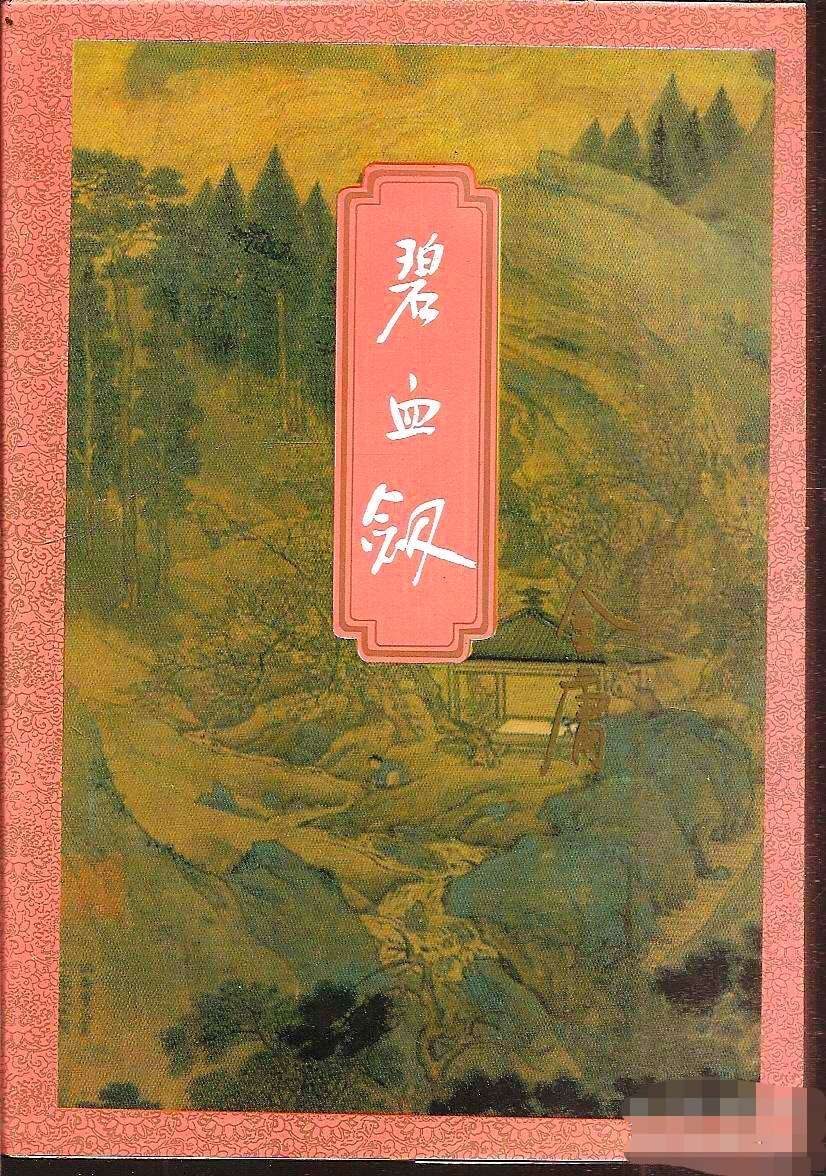
Written before Jin Yong Memorial Day
First couplet: With a wonderful pen and two feet of couplets, I poured out three times of hard work and injected the essence and blood of the four seasons. The five disciplines and six sects are all compiled into canons, the eight schools of fighting stars are combined into chapters, nine classics and ten volumes, hundreds of weapons and thousands of fragrances, and tens of thousands of followers. How can we just talk about swords? The second line: integrates thousands of miles of rivers and mountains, gathers the wind and clouds of the past, writes about hundreds of rivers and lakes, and describes the characters from all over the world. The nine-rate eight works are all-powerful, the seven emotions and six desires can be expressed, the five elements and four phenomena, the three talents and two manners, a generation of masters, how can they be playing martial arts? Horizontal comment: Xiaodao Hongyan
The flying snow shoots the white deer, the laughing book magician leans on the blue mandarin duck... Master Jin Yong
Mr. Jin Yong's early works are better than those of The Condor and The Condor in terms of character creation and story conflict design.
Mr. Jin Yong's early works were less mature than those of Shooting Condor and Divine Condor in terms of character creation and story conflict design. The heroine is really not likable, Huang Rong should be a cheap copycat version. Yuan Chengzhi and Zhang Wuji are basically the same. Ah Jiu's writing is too little, and her love comes a bit out of nowhere. She falls in love just because she is good at martial arts, which is extremely unexpected. Slightly. . . .
This is a good book and worth collecting!
This is a good book. Everyone should read it. It is good to read more books.
80
Revisit the classics and pay tribute to the classics.
Although Xia Xueyi stole the limelight, Alliance Leader Yuan is still impressive
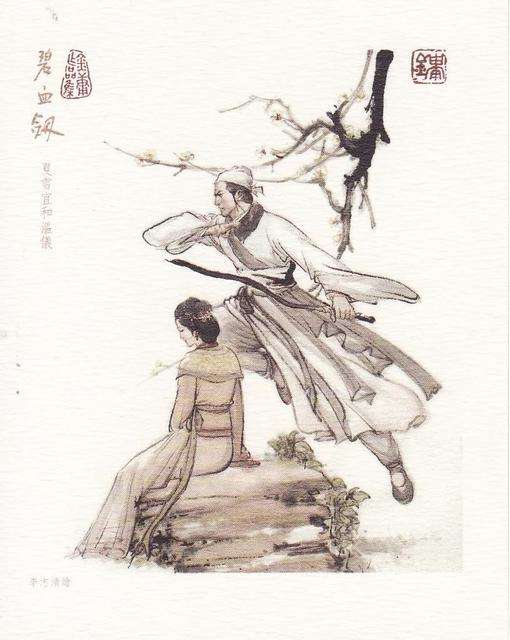
As a main character, Xia Xueyi, the "Golden Snake Man", did not appear from beginning to end. His life experience, personality traits, and stories were all revealed through the emotional recollections and reminiscences of two women, Wen Yi and He Hongyao.
Rating
Community(0)
Official(26)Scraped 1mo ago
Marrying a wife who looks like Qingqing will be over for the rest of your life, so Yuan Chengzhi will not have a good outcome in the end.
Who changed the book?
Who changed the content of this book? Is it Daxia Jin himself? It doesn't look like it. It's much worse than the original book. The content has been deleted, the name has been changed, the plot has been simplified, and the continuity of the whole book is quite different, especially the scene where the Five Poisons Sect appears. The original book made the environment eerie and terrifying, making the readers nervous. What kind of changes have been made, and what kind of butler is there to guide the way! I wonder if Daxia Jin would take back the copyright if he saw it.
Mr. JC's thoughts after viewing--Blue Blood Sword
I have watched the TVB version before and was very impressed by the golden snake man played by Jiang Hua at that time. After reading the original work, I discovered that TVB had made quite a few changes to the plot (Yuan Chengzhi's appearance was restored to be "dark-skinned, not amazing in appearance"). No wonder Mr. Jin didn't like the work to be used in dramas. The Blue Blood Sword - the second work created by Jin Lao, is the prequel to The Deer and the Cauldron. The protagonist is Yuan Chengzhi, the son of Yuan Chonghuan, a famous general in the late Ming Dynasty. Although his name is "Chengzhi", he wants to assassinate Emperor Chongzhen every day and defeat the Ming Dynasty to avenge his father. Throughout the story, the protagonist is more like a guide. Through the development of the plot, Yu Jianghu brought out the life of the Golden Snake Man. In the country, he witnessed the collapse of the Ming Dynasty and the short-lived appearance of Li Zicheng. Although he did several beautiful things in the rivers and lakes, in the end, after the "Shan Zongying" he led was defeated by the Qing soldiers, he fled overseas in a coward, and he really lived up to the word "Chengzhi" in his name. If we judge him solely by the standards of a knight-errant, he can be regarded as a man of upright character and unparalleled martial arts skills (he will be nearly invincible once he reaches the mountain as an adult). But if we want to judge the national security, his deeds and ambitions are hardly one ten thousandth of those of his father. Next is the "Summary and Complaints" section: First let's talk about the structure of the whole book. The whole book of Blue Blood Sword has a total of 2002 pages (I read it using QQ). It's not half as good as the 4,600-plus pages of The Deer and the Cauldron that I read previously. And when we only saw 84% of the story, the whole story was already over. The next 16% is a biography about Yuan Chonghuan's life... The plot is quite exciting, but the whole book is basically a plot explanation, with very few in-depth descriptions. Even the protagonist's first meeting with King Chuang, his friendship with Li Yan, and even such important plots as hanging on a coal mountain in Chongzhen are only mentioned in a few sentences. It is obvious that Mr. Jin did not pay much attention to this work. Later I found out that he was only in his early 30s when he wrote "Bi", and he wrote it at the same time as the second half of "Shu Jian En Qi Lu". At that time, in order to keep up with the schedule of serialization in newspapers, it was difficult to be detailed, so that it later became the most revised work when it was reprinted. Because of this book, I have recently read a lot of information about Yuan Chonghuan and Chongzhen. Jin Lao had a very high opinion of Yuan, and Chongzhen was regarded by him as a coward. Although Yuan has received mixed reviews in history (in those stories about the Ming Dynasty, Mingyue scolded him as a fool with almost zero EQ), in my opinion, he is still a hero of his generation. Isn't it remarkable enough that a weak scholar of a generation joined the army and went to the most dangerous Liaodong to serve his country? He also broke the Ming Dynasty's impression that "the Qing army was invincible" by winning with a small number. Although the way of being an official is not high enough, maybe he is just disdainful. As for Chongzhen, he was actually not a bad emperor. He took care of the eunuch Wei Zhongxian at a young age and worked diligently to clean up the government affairs. He was hundreds of times better than his father and brother. But the bad thing is that he is suspicious and willful, and often makes wrong decisions (he was only 19 when he killed Yuan), so he has nothing to do with Mingjun. But no matter what, if the building is about to collapse, how can a wise king and a few good generals save it? Historical trends never change because of people.
Written before Jin Yong Memorial Day
First couplet: With a wonderful pen and two feet of couplets, I poured out three times of hard work and injected the essence and blood of the four seasons. The five disciplines and six sects are all compiled into canons, the eight schools of fighting stars are combined into chapters, nine classics and ten volumes, hundreds of weapons and thousands of fragrances, and tens of thousands of followers. How can we just talk about swords? The second line: integrates thousands of miles of rivers and mountains, gathers the wind and clouds of the past, writes about hundreds of rivers and lakes, and describes the characters from all over the world. The nine-rate eight works are all-powerful, the seven emotions and six desires can be expressed, the five elements and four phenomena, the three talents and two manners, a generation of masters, how can they be playing martial arts? Horizontal comment: Xiaodao Hongyan
The flying snow shoots the white deer, the laughing book magician leans on the blue mandarin duck... Master Jin Yong
Mr. Jin Yong's early works are better than those of The Condor and The Condor in terms of character creation and story conflict design.
Mr. Jin Yong's early works were less mature than those of Shooting Condor and Divine Condor in terms of character creation and story conflict design. The heroine is really not likable, Huang Rong should be a cheap copycat version. Yuan Chengzhi and Zhang Wuji are basically the same. Ah Jiu's writing is too little, and her love comes a bit out of nowhere. She falls in love just because she is good at martial arts, which is extremely unexpected. Slightly. . . .
This is a good book and worth collecting!
This is a good book. Everyone should read it. It is good to read more books.
80
Revisit the classics and pay tribute to the classics.
Although Xia Xueyi stole the limelight, Alliance Leader Yuan is still impressive
As a main character, Xia Xueyi, the "Golden Snake Man", did not appear from beginning to end. His life experience, personality traits, and stories were all revealed through the emotional recollections and reminiscences of two women, Wen Yi and He Hongyao.