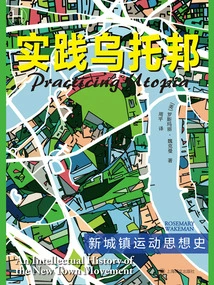
Practical Utopia: an Ideological History of the New Town Movement (history School)
About This Novel
New towns are the antidote to all urban ills. A historical work that studies the international New Town movement in the 20th century from an architectural and sociological perspective. Typical towns are formed around natural resources such as rivers, oceans, deep harbors, or simply around a large prosperous town. Not so the "new towns", which were created by decree rather than necessity. New town is a label used to express conscious and highly symbolic acts of territorial control and settlement at a specific historical moment. It is a flag planted in the soil, an out-and-out symbol of hegemony. Everything about a new town-how it is designed and laid out, how it is built, how society functions within it, etc.-Is the product of careful planning. Garden cities, fascist new towns, industrial towns, resource towns, socialist steel towns, oil towns, satellite towns... Each town is a brand, an image of the future, a step designed to break the development trend of the past and move towards a new era. These utopian developments revived in the 20th century, and the mid-to-late 20th century was the golden age of new town construction around the world. In Practical Utopia, Rosemary Weickman uses new towns in Europe, the United States, the Middle East, Africa, and Asia as examples to give us a comprehensive perspective on the new town movement as a global phenomenon. It also reveals how residents and planners imagine their ideal urban future, and the role of the new town movement in the 21st century and in the future for the international community.
Official Sources
What Readers Think
Rating
Community(0)
Rating
Community(0)
