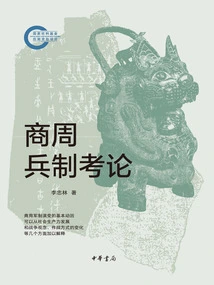
An Examination of the Military System of Shang and Zhou Dynasties
by Li Zhonglin
About This Novel
This book systematically examines the military system of the Shang and Zhou dynasties. The Shang Dynasty focuses on the archaeological Yin Xu period, and mainly discusses the basic armed forces of the Shang Dynasty, Fang's army, combat arms, weapons and equipment, the leadership system of the dynasty's military forces, as well as military training, rewards and punishments, etc. The Western Zhou Dynasty mainly focused on issues such as the military service system under the separate system of state and field, the transformation of the military organization from "division" to "army", and the central government's control of local military forces. The Spring and Autumn Period mainly discussed issues such as the change in the concept of war and the increase in military power of the princes, the shift from the prevalence of chariot warfare to the rise of infantry, and the reform of the military tax system. During the Warring States Period, issues such as the rapid growth of the military strength of various countries, the improvement of weapons, the increase of arms, the improvement of the military attaché system, the selection and training of soldiers, and the combination of combat formations were mainly discussed. The author points out that there are generally three trends in the changes in the Shang and Zhou military systems: the transition from a temporary collection system to a standing army; the continuous expansion of the army and the increase in types of arms; the long-term existence and eventual demise of ethnic armed forces. The basic motivations for the evolution of the Shang and Zhou military systems can be explained from several aspects such as the development of social productive forces and changes in war concepts and combat methods. The completion of the manuscript will be beneficial to the study of the pre-Qin military system and can play a certain supplementary role in the study of ancient Chinese military history.
Official Sources
What Readers Think
Rating
Community(0)
Rating
Community(0)
