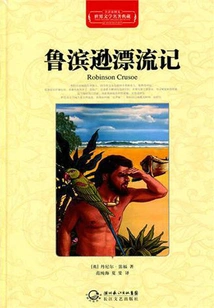
Robinson Crusoe
by (english) Daniel Defoe Translated By Kim Jang-wei
About This Novel
The first novel published by British writer Daniel Defoe at the age of 59 enjoys the reputation as the first realistic novel in Britain. The book was first published on April 25, 1719. It won a wide readership at that time and was reprinted three times within a year. In the following decades, it was published again and again, becoming one of the most widely read English-language books after the Bible. In the history of Western literature, no other book has produced such a large number of translations and adaptations as "Robinson Crusoe." Its literary influence and far-reaching significance to human society are unmatched by many other works. Through the author's rich imagination, this work clearly reflects the characteristics of the British society in the 18th century. It truly describes the adversity and despair experienced by people who have been away from society for 28 years, as well as the experience of faith and the endless challenges of life.
Official Sources
What Readers Think
Rating
Community(0)
Official(316)Scraped 2mo ago
Are you here for summer vacation homework?
It's because of homework😭😭
Feelings from the heart
Robinson's perseverance and self-reliance on the desert island are the secret of his survival and what we should learn from. Only by learning to be strong, persistent and hard-working can we gain a foothold in society and overcome all difficulties. We should hone ourselves like Robinson Crusoe, who can overcome any difficulties and is not afraid of dangers!
Robinson Crusoe - Book Review
The author uses Robinson Crusoe to praise the adventurous and enterprising spirit of the bourgeoisie in the period of primitive accumulation of capital, and emphasizes individual intelligence and perseverance. In the novel, Defoe creates a very successful literary image - Robinson Crusoe. Robinson is a laborer, a bourgeois and a colonizer at the same time, so he has the nature of exploitation and plunder. The purpose of his several voyages was to trade slaves in Africa. He used muskets and Bibles to intimidate the natives, making "Friday" willingly become his loyal slave. Muskets and Bibles were the dual weapons commonly used by European colonialists against colonial peoples. Robinson fought tenaciously against nature, not only to survive, but also to possess wealth and land. When no one else appeared on the island, Robinson said confidently: "Everything here is mine." If possible, he would pass it on to his descendants. When "Friday"'s father and the Spaniard arrived on the island, he felt "like a king" and "my people completely obey me" and was filled with joy. Even after returning to England, he went to "inspect" his "territory" and sublet the land on the island to the new residents. The duality of Robinson fully reflects the limitations of the author's own era and class. Robinson Crusoe is a successful realistic novel. The author uses vivid and realistic details to write fictional scenes that make people feel like they are actually there, giving the story a strong sense of reality. The language of the work is simple and vivid, and the text is clear and easy to understand. Although it is not very mature in art, it has played a positive role in the development of British novels.
The teacher asked me to watch it
I think it's okay╮( ̄▽ ̄)╭ Hey (ºº )
Robinson was a very strong man. He was self-reliant and took care of himself on an uninhabited island. Not only did he survive well, he also helped many people with his own strength and finally returned to the mainland. My thoughts after reading this book are: To be a human being, we must learn to be self-reliant and believe in ourselves that we will succeed.
I am doing homework for winter vacation
Inspirational life and sublimation of the spiritual world again and again
The second time I read it, I no longer focused on Robinson's bizarre experiences, but more on his psychology when he was young, his psychological changes on the island, and his psychological ups and downs when he left the island. Every time Robinson successfully escaped danger, it was actually his strong psychology that supported him. To become a strong person and take the first step towards success, what you need is this kind of perseverance and firm belief that never gives up!
Recommended😜
It makes readers very interested in reading. It is a good book and worth reading (I like it very much❤)

Robinson Crusoe - Book Review
Psychological description An excellent technique used in shaping the protagonist Robinson is psychological description. Through a series of psychological descriptions, Robinson's ideological changes are demonstrated, and his character traits are revealed to a large extent. When Robinson was shipwrecked at sea, he thought "there was no doubt that I should never see them again." Only this sentence accurately expresses Robinson's sad and heavy mood after losing his companions, and at the same time it also well highlights his complex psychology when he felt that his future was bleak. When writing about Robinson Crusoe's exploration of the desert island, he wrote about his psychological changes from misery to happiness. For example, "Although I am currently living a lonely life, I may be happier than living in a free and happy world." This sentence fully reflects Robinson's psychology of belonging to the isolated island at this time. In the chapter "Uninvited Guest", the author uses psychological contrast to set off Robinson's pain after the psychological gap. These psychological descriptions are delicate and profound, leaving a deep impression on readers. The novel is also often interspersed with some of the characters' discussions, such as "The sky is not always blue, the water is not always clear, the grass is not always green, the flowers are not always gorgeous, and life cannot always be smooth sailing!" "Flowers will wither, the grass will wither and turn yellow, but spring brings them vitality." Such comments highlight the characters' personalities. The work also pays attention to the creation of characters, the description of the environment and the psychology of the characters, and also uses many daily life terms, which opened up a new stage in the development of British novels.
Rating
Community(0)
Official(316)Scraped 2mo ago
Are you here for summer vacation homework?
It's because of homework😭😭
Feelings from the heart
Robinson's perseverance and self-reliance on the desert island are the secret of his survival and what we should learn from. Only by learning to be strong, persistent and hard-working can we gain a foothold in society and overcome all difficulties. We should hone ourselves like Robinson Crusoe, who can overcome any difficulties and is not afraid of dangers!
Robinson Crusoe - Book Review
The author uses Robinson Crusoe to praise the adventurous and enterprising spirit of the bourgeoisie in the period of primitive accumulation of capital, and emphasizes individual intelligence and perseverance. In the novel, Defoe creates a very successful literary image - Robinson Crusoe. Robinson is a laborer, a bourgeois and a colonizer at the same time, so he has the nature of exploitation and plunder. The purpose of his several voyages was to trade slaves in Africa. He used muskets and Bibles to intimidate the natives, making "Friday" willingly become his loyal slave. Muskets and Bibles were the dual weapons commonly used by European colonialists against colonial peoples. Robinson fought tenaciously against nature, not only to survive, but also to possess wealth and land. When no one else appeared on the island, Robinson said confidently: "Everything here is mine." If possible, he would pass it on to his descendants. When "Friday"'s father and the Spaniard arrived on the island, he felt "like a king" and "my people completely obey me" and was filled with joy. Even after returning to England, he went to "inspect" his "territory" and sublet the land on the island to the new residents. The duality of Robinson fully reflects the limitations of the author's own era and class. Robinson Crusoe is a successful realistic novel. The author uses vivid and realistic details to write fictional scenes that make people feel like they are actually there, giving the story a strong sense of reality. The language of the work is simple and vivid, and the text is clear and easy to understand. Although it is not very mature in art, it has played a positive role in the development of British novels.
The teacher asked me to watch it
I think it's okay╮( ̄▽ ̄)╭ Hey (ºº )
Robinson was a very strong man. He was self-reliant and took care of himself on an uninhabited island. Not only did he survive well, he also helped many people with his own strength and finally returned to the mainland. My thoughts after reading this book are: To be a human being, we must learn to be self-reliant and believe in ourselves that we will succeed.
I am doing homework for winter vacation
Inspirational life and sublimation of the spiritual world again and again
The second time I read it, I no longer focused on Robinson's bizarre experiences, but more on his psychology when he was young, his psychological changes on the island, and his psychological ups and downs when he left the island. Every time Robinson successfully escaped danger, it was actually his strong psychology that supported him. To become a strong person and take the first step towards success, what you need is this kind of perseverance and firm belief that never gives up!
Recommended😜
It makes readers very interested in reading. It is a good book and worth reading (I like it very much❤)
Robinson Crusoe - Book Review
Psychological description An excellent technique used in shaping the protagonist Robinson is psychological description. Through a series of psychological descriptions, Robinson's ideological changes are demonstrated, and his character traits are revealed to a large extent. When Robinson was shipwrecked at sea, he thought "there was no doubt that I should never see them again." Only this sentence accurately expresses Robinson's sad and heavy mood after losing his companions, and at the same time it also well highlights his complex psychology when he felt that his future was bleak. When writing about Robinson Crusoe's exploration of the desert island, he wrote about his psychological changes from misery to happiness. For example, "Although I am currently living a lonely life, I may be happier than living in a free and happy world." This sentence fully reflects Robinson's psychology of belonging to the isolated island at this time. In the chapter "Uninvited Guest", the author uses psychological contrast to set off Robinson's pain after the psychological gap. These psychological descriptions are delicate and profound, leaving a deep impression on readers. The novel is also often interspersed with some of the characters' discussions, such as "The sky is not always blue, the water is not always clear, the grass is not always green, the flowers are not always gorgeous, and life cannot always be smooth sailing!" "Flowers will wither, the grass will wither and turn yellow, but spring brings them vitality." Such comments highlight the characters' personalities. The work also pays attention to the creation of characters, the description of the environment and the psychology of the characters, and also uses many daily life terms, which opened up a new stage in the development of British novels.
